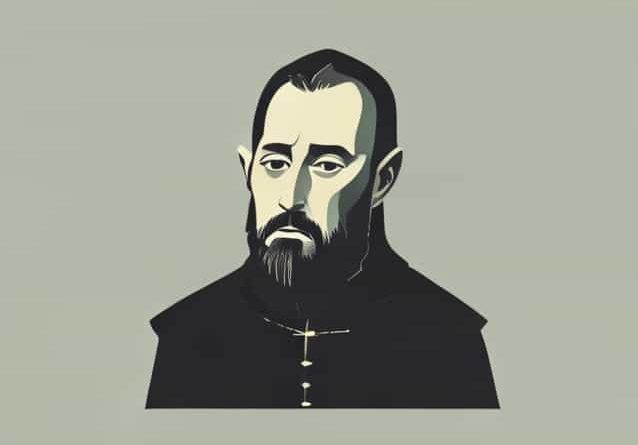
Who Was John Of Gaunt
John of Gaunt, born on March 6, 1340, was a pivotal figure in 14th-century England, known for his political influence, extensive landholdings, and notable lineage. As the third son of King Edward III of England and Philippa of Hainault, John played a crucial role in the affairs of the English monarchy during a period marked by dynastic conflicts, the Hundred Years’ War, and significant social change. Despite being a younger son, his position allowed him to wield considerable power as a military leader, diplomat, and advisor to the crown. John of Gaunt’s legacy extends beyond his political achievements; he was the progenitor of the Lancaster branch of the English royal family, and his descendants would later include kings, queens, and influential historical figures. Understanding who John of Gaunt was involves exploring his life, family connections, political career, and enduring impact on English history.
Early Life and Family Background
John of Gaunt was born at Ghent in Flanders, which was then part of the County of Flanders, into the royal House of Plantagenet. His upbringing was shaped by the privileges and responsibilities of royalty, including education in governance, military strategy, and diplomacy. As a prince, John was groomed for service to the crown, learning to navigate the complex web of medieval politics. His father, Edward III, was a dominant figure in English and European politics, particularly during the early stages of the Hundred Years’ War against France. Growing up in this environment instilled in John a keen understanding of power, loyalty, and the intricacies of noble life.
Marriage and Personal Life
John of Gaunt married Blanche of Lancaster in 1359, bringing him significant wealth and titles through the Lancaster inheritance. This union strengthened his political and economic position, making him one of the wealthiest and most influential nobles in England. John and Blanche had several children, securing the future of the Lancaster line and establishing connections that would influence English succession for generations. Following Blanche’s death in 1368, John later married Constance of Castile, asserting claims to the Castilian throne and further expanding his influence on European politics. John also had several children outside of these marriages, including the Beaufort line, which would play a significant role in the Wars of the Roses.
Political Career and Influence
John of Gaunt’s political career was marked by a combination of military leadership, diplomatic negotiation, and courtly influence. He was actively involved in the English campaigns of the Hundred Years’ War, demonstrating military skill and loyalty to his father and later his nephew, King Richard II. John’s influence extended to domestic politics as well; he was a key advisor and often acted as a stabilizing force during periods of internal strife. His power was bolstered by his extensive landholdings, including estates in England, Scotland, and Spain, which gave him both economic leverage and social authority.
Claims and Ambitions
Through his second marriage to Constance of Castile, John of Gaunt claimed the title of King of Castile, seeking to extend English influence into the Iberian Peninsula. Although his campaigns in Spain were not entirely successful, they demonstrated his ambition and strategic vision. Domestically, John’s status as the Duke of Lancaster and a senior member of the royal family allowed him to exert significant influence over parliamentary affairs, taxation, and succession issues. His ability to navigate complex political landscapes made him a central figure in English governance during a turbulent period.
Role in the Hundred Years’ War
John of Gaunt participated in several campaigns during the Hundred Years’ War, supporting England’s territorial claims in France. While not always victorious, his military service enhanced his reputation as a capable leader and loyal servant of the crown. His presence in the war effort also provided opportunities to forge alliances, negotiate treaties, and assert England’s influence in European politics. The combination of military and diplomatic activity positioned John as an essential figure in sustaining English power abroad, particularly during the later years of Edward III’s reign and the early reign of Richard II.
Domestic Challenges and Leadership
Despite his prominence, John of Gaunt faced domestic challenges, including political rivalries, economic unrest, and social upheaval. The 14th century was a period marked by the Black Death, peasant revolts, and tensions between the crown and nobility. John’s wealth and authority allowed him to act as a mediator in disputes, protect his estates, and maintain loyalty among supporters. He was sometimes criticized for his perceived ambitions, yet his leadership helped stabilize the monarchy during periods of uncertainty. His careful management of both political alliances and landholdings reinforced his long-term influence.
Legacy and the House of Lancaster
John of Gaunt’s most enduring legacy is his role in establishing the Lancaster branch of the English royal family. His son, Henry Bolingbroke, would later ascend the throne as King Henry IV, beginning the Lancastrian dynasty. This lineage played a central role in English history, particularly during the Wars of the Roses, a series of dynastic conflicts between the houses of Lancaster and York. John’s descendants continued to shape English politics, culture, and monarchy for generations, demonstrating the lasting impact of his lineage.
Contributions to English Society
- Political StabilityJohn acted as a stabilizing force in times of internal strife, advising kings and negotiating disputes.
- Economic InfluenceHis vast estates and wealth allowed him to support military campaigns, patronize arts, and influence economic policy.
- Dynastic LegacyAs the progenitor of the Lancaster line, his descendants played pivotal roles in English succession and governance.
- Cultural PatronageJohn of Gaunt supported literature, architecture, and religious institutions, contributing to England’s cultural development.
Death and Historical Perspective
John of Gaunt died on February 3, 1399, at the age of 58. His death marked the end of an era in English politics, but his influence persisted through his son, Henry IV, and the broader Lancastrian dynasty. Historians view John as a figure of significant political acumen, military capability, and dynastic ambition. While not a monarch himself, his strategic marriages, extensive holdings, and careful management of political alliances ensured that his family would remain central to English history for generations. John of Gaunt’s life exemplifies the interplay of nobility, power, and family legacy in medieval England.
Historical Significance
John of Gaunt’s significance lies not only in his political and military achievements but also in his ability to shape English history through lineage, diplomacy, and governance. As a son of Edward III, a prominent Duke, and the father of Henry IV, his life bridged generations of English monarchy and contributed to the enduring narrative of the Plantagenet dynasty. His actions influenced the course of wars, succession disputes, and social developments in England, making him a central figure in the study of 14th-century history. John of Gaunt’s legacy demonstrates the enduring impact of noble leadership, strategic alliances, and dynastic foresight in shaping the trajectory of nations.
John of Gaunt was a central figure in medieval England whose influence extended across politics, military affairs, and dynastic succession. Born into the royal House of Plantagenet, he leveraged his position as a prince and Duke of Lancaster to wield considerable power, support military campaigns, and guide political decisions. Through strategic marriages, extensive landholdings, and careful management of alliances, John established the Lancaster branch of the English royal family, shaping the course of English history for generations. His life illustrates the complex interplay of nobility, ambition, and legacy, and his contributions continue to be studied as part of the broader narrative of medieval England. Understanding who John of Gaunt was provides insight into the dynamics of power, family, and governance in a period that defined much of England’s subsequent political and social history.
John of Gaunt remains remembered as a prince, military leader, and political strategist whose life and actions had far-reaching consequences. From his influence during the reigns of Edward III and Richard II to his role as the progenitor of the Lancastrian dynasty, his legacy is a testament to the enduring importance of family, power, and strategic vision in shaping the course of history.