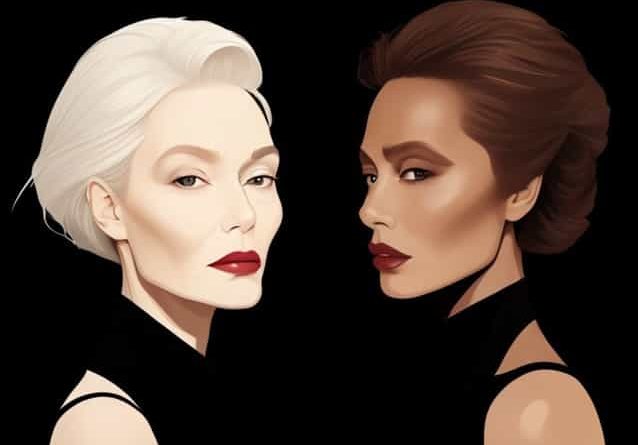
Tilda Swinton Luann De Lesseps
Tilda Swinton and Luann de Lesseps are two figures who, while coming from very different worlds, have each made a distinct mark on culture and entertainment. Tilda Swinton is renowned for her versatile and transformative acting career, celebrated for her daring roles in independent films and Hollywood productions alike. Her performances often blur the line between art and cinema, bringing depth, nuance, and a unique presence that few actors can match. Luann de Lesseps, on the other hand, is widely recognized as a television personality, singer, and socialite, primarily known for her role on The Real Housewives of New York City. Though their careers differ significantly, both women share a sense of individuality and a commitment to crafting public personas that resonate with audiences. Exploring their lives and careers offers insights into celebrity culture, personal branding, and the diverse ways in which women leave a lasting impact on the entertainment industry.
Tilda Swinton An Icon of Film and Art
Tilda Swinton has cultivated a reputation as one of the most enigmatic and compelling actors of her generation. Born in 1960 in London, she began her career with a focus on stage acting before transitioning into film. Known for her androgynous appearance and fearless approach to roles, Swinton often selects characters that challenge societal norms and push the boundaries of traditional storytelling. Her filmography includes collaborations with directors like Derek Jarman, Wes Anderson, and the Coen Brothers, showcasing her ability to adapt to a wide range of genres and styles.
Signature Roles and Career Highlights
Swinton’s career is marked by a series of iconic roles that highlight her versatility. From her performance in Orlando, where she plays a gender-fluid character across centuries, to her chilling presence in Michael Clayton, which earned her an Academy Award, Swinton consistently delivers performances that are both memorable and transformative. Her willingness to embrace unconventional roles and experimental cinema has solidified her status as a critical darling and an influential figure in contemporary film.
Influence on Culture and Fashion
Beyond her acting, Tilda Swinton has become a cultural icon for her distinctive style and presence. Often seen at film festivals and red carpet events in avant-garde fashion, she challenges traditional notions of glamour and celebrity. Swinton’s influence extends into art and fashion communities, where she is admired for her ability to merge artistry with public persona, inspiring both audiences and fellow creatives.
Luann de Lesseps Reality TV and Entertaining Charm
Luann de Lesseps, born in 1965 in Massachusetts, rose to fame as a cast member on The Real Housewives of New York City, a reality television series that chronicles the lives of affluent women in New York. Known for her elegance, wit, and occasional drama, de Lesseps quickly became one of the show’s standout personalities. In addition to her television career, she has explored singing, releasing cabaret-style music and performing in various events, showcasing her talents beyond reality TV.
Television Career and Public Persona
De Lesseps’ role on reality television has made her a recognizable figure in popular culture. Her interactions with fellow cast members, along with her personal and professional endeavors, have captivated audiences and generated discussion across media platforms. Luann’s persona is characterized by sophistication, charm, and resilience, qualities that have allowed her to maintain relevance in an ever-changing entertainment landscape.
Music and Performance
In addition to her television work, Luann de Lesseps has pursued music, releasing songs that reflect her cabaret and lounge style. Her performances often combine humor, glamour, and personal storytelling, resonating with fans who appreciate her multidimensional talents. This combination of television and music has allowed de Lesseps to cultivate a unique niche within celebrity culture, blending reality-based fame with performance artistry.
Comparing Career Paths
While Tilda Swinton and Luann de Lesseps operate in different segments of the entertainment industry, their careers share some notable similarities. Both women have embraced public scrutiny, using their unique personas to craft enduring reputations. Swinton’s artistic choices and de Lesseps’ reality TV and music endeavors reflect a commitment to authenticity, personal expression, and audience engagement, albeit in distinct ways.
Public Image and Persona
Swinton and de Lesseps understand the power of public image. Swinton’s enigmatic and often avant-garde persona commands attention in cinematic and artistic circles, while de Lesseps’ sophisticated and charismatic presence appeals to reality TV audiences. Each has leveraged her image to create opportunities, maintain relevance, and influence popular culture, demonstrating the importance of persona management in different entertainment arenas.
Impact on Audiences
Both figures have left an indelible mark on their audiences. Tilda Swinton’s films challenge viewers to reconsider narrative and character, inspiring reflection and admiration for her craft. Luann de Lesseps entertains audiences with her humor, elegance, and life experiences, offering relatability and aspiration in equal measure. Their ability to connect with viewers underscores the diverse ways women can impact culture through performance and public engagement.
Personal Branding and Influence
The careers of Tilda Swinton and Luann de Lesseps highlight the importance of personal branding in entertainment. Swinton’s brand revolves around artistry, versatility, and unconventional beauty, while de Lesseps’ brand centers on sophistication, performance, and reality-based fame. Both have successfully navigated media landscapes to maintain visibility, demonstrating strategic awareness of audience expectations and cultural trends.
Enduring Relevance
Swinton’s enduring relevance comes from her ability to select challenging roles and engage with projects that push creative boundaries. Her consistent excellence has earned critical acclaim and a devoted fan base. Similarly, de Lesseps remains relevant through her television appearances, music endeavors, and personal branding, proving that adaptability and self-awareness are key to long-term success in entertainment.
Cultural Significance
Both women contribute to cultural discourse in unique ways. Swinton’s work often intersects with art, gender, and cinematic innovation, influencing contemporary film and fashion. De Lesseps contributes to discussions about reality TV, celebrity, and performance, highlighting the evolving nature of fame. Together, they illustrate how women in entertainment can shape culture through diverse platforms and forms of expression.
Tilda Swinton and Luann de Lesseps exemplify the wide spectrum of female influence in modern entertainment. Swinton captivates audiences with transformative performances and artistic innovation, while de Lesseps engages viewers through charisma, television presence, and musical endeavors. Both women navigate public attention with skill, crafting personas that reflect individuality, creativity, and resilience. Their careers underscore the importance of personal branding, adaptability, and audience engagement in achieving lasting impact.
Although their paths differ, Swinton and de Lesseps share a commitment to authenticity and self-expression, demonstrating that influence in entertainment can take many forms. From the avant-garde world of cinema to the glamour and drama of reality television, their contributions continue to shape public perception, cultural trends, and the evolving landscape of celebrity. By examining their achievements, audiences gain a deeper appreciation for the diverse ways women can leave a lasting mark in entertainment, inspiring both admiration and cultural dialogue.
Ultimately, Tilda Swinton and Luann de Lesseps remind us that success in the public eye requires a blend of talent, personality, and strategic self-presentation. Their distinctive approaches highlight the richness of modern entertainment, showing how artistry and charisma, whether on screen, stage, or television, can create memorable and influential careers. Both women continue to captivate audiences, proving that authenticity, creativity, and presence remain central to lasting fame and cultural relevance.