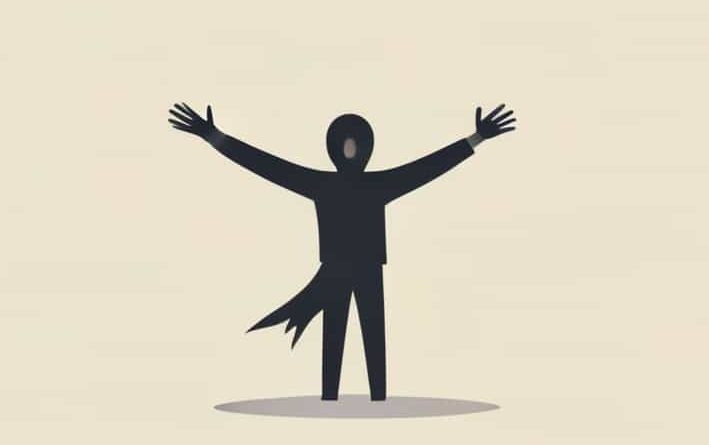
A Scaremonger Waving Both Arms And Tail
The phrase a scaremonger waving both arms and tail immediately sparks curiosity because it feels vivid, symbolic, and slightly absurd at the same time. It suggests exaggerated movement, deliberate attention-seeking, and an intention to provoke fear or anxiety. Rather than describing a literal creature, the expression works powerfully as a metaphor that can apply to people, media narratives, political rhetoric, or even social behavior. Understanding this phrase requires unpacking both the idea of scaremongering and the imagery of frantic, theatrical motion.
Understanding the Meaning of a Scaremonger
A scaremonger is someone who spreads fear deliberately or irresponsibly. This fear may be based on exaggerated facts, selective information, or outright misinformation. The goal is rarely to inform calmly; instead, it is to alarm, provoke panic, or manipulate emotions.
Scaremongering appears in many contexts, including politics, social media, advertising, and everyday conversations. A scaremonger often focuses on worst-case scenarios, presenting them as likely or inevitable, even when evidence is weak or context is missing.
Fear as a Tool
Fear is one of the strongest human emotions, and it can override logic and careful thinking. When someone acts as a scaremonger, they rely on this emotional shortcut. Instead of reasoned argument, fear becomes the message. The phrase a scaremonger waving both arms and tail emphasizes how dramatic and intentional this behavior can be.
The Symbolism of Waving Both Arms
Waving both arms suggests frantic, exaggerated gestures meant to draw attention. In everyday language, someone who waves their arms is not calm or composed. They are animated, urgent, and often loud. This imagery fits perfectly with scaremongering, which thrives on urgency and spectacle.
In communication, calm voices tend to encourage reflection, while frantic gestures signal danger. A person metaphorically waving both arms is signaling that something is terribly wrong and demands immediate attention, whether or not that is truly the case.
Exaggeration and Performance
Arm-waving can also suggest performance rather than substance. It implies that the individual is putting on a show, relying on visible motion instead of solid evidence. This reinforces the idea that scaremongering often substitutes drama for facts.
The Meaning Behind the Tail
The inclusion of a tail adds another layer of symbolism. Humans do not have tails, so this detail pushes the phrase into the realm of caricature or animal behavior. Tails are often associated with instinct, reflex, or primitive signaling rather than rational thought.
When an animal waves its tail, it can indicate excitement, agitation, or warning. In this metaphor, the scaremonger waving a tail suggests uncontrolled behavior driven by instinct or impulse, not careful reasoning.
Animalistic Behavior and Loss of Restraint
By adding a tail to the image, the phrase implies a loss of restraint or civility. The scaremonger is no longer a composed communicator but a creature reacting on instinct, amplifying fear without reflection. This makes the image more critical and slightly mocking.
Scaremongering in Modern Society
In modern society, scaremongering has become more visible due to the speed of information sharing. Social media platforms reward emotional reactions, and fear spreads faster than calm explanations. A scaremonger waving both arms and tail fits perfectly into this environment.
Headlines designed to shock, posts meant to outrage, and videos edited to provoke anxiety all follow the same pattern. The gestures may be digital rather than physical, but the effect is the same.
Common Areas Where Scaremongering Appears
- Political campaigns emphasizing threats without context
- Health misinformation exaggerating rare risks
- Economic predictions framed as inevitable disasters
- Social media rumors spreading panic quickly
Why the Imagery Feels So Powerful
The phrase works because it combines humor, criticism, and clarity. Calling someone a scaremonger waving both arms and tail is more memorable than simply accusing them of exaggeration. It paints a picture that sticks in the reader’s mind.
This kind of imagery helps people recognize behavior patterns. Once someone imagines a frantic figure flailing wildly, it becomes easier to spot similar behavior in real-life communication.
Mockery as a Form of Critique
The image also carries an element of mockery. By making the scaremonger appear ridiculous, the phrase reduces their authority. Fear loses some of its power when it is exposed as exaggerated or theatrical.
The Psychological Impact of Scaremongering
Scaremongering can have serious psychological effects. Constant exposure to fear-based messages increases stress, anxiety, and a sense of helplessness. Over time, people may become either overly fearful or completely numb to warnings, unable to distinguish real threats from manufactured ones.
The image of someone waving both arms and tail captures this overload. Too much movement, too much noise, and too much urgency can overwhelm the audience.
Fear Fatigue
When scaremongering becomes constant, people experience fear fatigue. They stop responding appropriately because everything is presented as a crisis. This makes genuine warnings less effective when they truly matter.
Distinguishing Warning from Scaremongering
Not all warnings are scaremongering. Real risks exist, and responsible communication about danger is essential. The difference lies in tone, evidence, and intent.
A responsible warning is calm, supported by facts, and proportional to the risk. A scaremonger waving both arms and tail ignores proportion, amplifies emotion, and thrives on reaction.
Key Differences
- Warnings explain risks clearly and calmly
- Scaremongering relies on urgency and fear
- Warnings encourage informed decisions
- Scaremongering seeks emotional control
The Phrase as a Cultural Commentary
Beyond individual behavior, the phrase can be read as a critique of broader cultural trends. In an age of constant alerts, breaking news, and viral panic, many voices compete for attention. Waving both arms and tail becomes a metaphor for shouting louder rather than speaking wiser.
This imagery questions whether society rewards thoughtful communication or theatrical alarmism.
Attention Economy and Fear
In the attention economy, fear is effective. Messages that scare people are more likely to be shared. The scaremonger understands this instinctively, waving every possible limb to stay visible.
Why the Phrase Resonates with Readers
Readers relate to the phrase because they recognize the behavior. Most people have encountered exaggerated warnings that later proved unnecessary or misleading. The image gives language to that frustration.
It also empowers readers to be more critical. When faced with alarming claims, they may pause and ask whether they are witnessing genuine concern or simply a scaremonger waving both arms and tail.
The expression a scaremonger waving both arms and tail is a rich metaphor that captures the essence of exaggerated fear-mongering in a memorable way. Through vivid imagery, it highlights how panic is often performed rather than justified, driven by emotion rather than evidence. By understanding this phrase, readers gain a sharper lens for evaluating the messages they encounter every day. In a world full of noise and urgency, recognizing the difference between meaningful warnings and theatrical scaremongering is an essential skill.