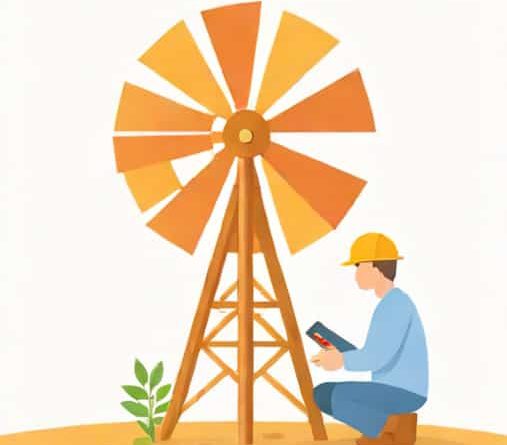
A Young Tinkerer Builds A Windmill Quiz
The story of a young tinkerer who builds a windmill captures the imagination of readers and educators alike, often serving as the basis for engaging quizzes and comprehension exercises. This tale, which highlights curiosity, creativity, and problem-solving, is frequently used in classrooms to teach students about renewable energy, engineering concepts, and the importance of perseverance. A quiz based on this story helps assess understanding, critical thinking, and the ability to draw connections between narrative elements and real-world applications. Exploring this story through a quiz format makes learning interactive and encourages students to engage deeply with the material.
Overview of the Story
The narrative centers on a young tinkerer, often portrayed as curious and inventive, who decides to build a windmill to harness wind energy. The story typically follows a structure where the protagonist identifies a problem or need, experiments with different designs, overcomes obstacles, and eventually succeeds in creating a functioning windmill. This story not only entertains but also teaches important lessons about ingenuity, resourcefulness, and the scientific method. Students who engage with this story learn about the principles of wind energy, mechanics, and the value of persistence.
Key Themes
Several themes are commonly emphasized in the story of the young tinkerer
- InnovationThe protagonist demonstrates creativity by designing and constructing a new invention.
- Problem-SolvingChallenges arise that require critical thinking and trial-and-error experimentation.
- PerseveranceDespite setbacks, the young tinkerer continues to work toward a solution.
- Environmental AwarenessThe story introduces concepts related to renewable energy and sustainable practices.
- Learning by DoingHands-on experimentation is highlighted as an essential part of understanding and achieving goals.
Purpose of the Quiz
A quiz based on the story of a young tinkerer who builds a windmill serves multiple educational purposes. It allows teachers to evaluate reading comprehension, assess knowledge retention, and encourage students to think critically about the events and lessons in the story. The quiz may include multiple-choice questions, short answers, and scenario-based questions that challenge students to apply what they have learned. Additionally, quizzes can promote discussion, reinforce concepts related to physics and engineering, and inspire curiosity about real-world applications of wind energy.
Types of Questions
The quiz may cover various aspects of the story and related concepts, including
- Comprehension QuestionsAsking students to recall key events, character actions, and plot details.
- Vocabulary QuestionsAssessing understanding of technical or descriptive words used in the story.
- Critical Thinking QuestionsEncouraging students to analyze why the young tinkerer made certain decisions or how alternative solutions might work.
- Application QuestionsLinking the story to real-world concepts, such as how windmills generate energy or the importance of sustainable practices.
Sample Quiz Questions
Here are examples of questions that could appear in a quiz based on the story
- What problem was the young tinkerer trying to solve by building a windmill?
- Which materials did the protagonist use to construct the windmill, and why were they chosen?
- Describe one challenge the young tinkerer faced and explain how it was overcome.
- How does a windmill convert wind into usable energy?
- What lesson can be learned from the tinkerer’s perseverance?
- Imagine you are the tinkerer; what would you do differently to improve the windmill?
- Why is renewable energy important for the environment, and how does the windmill demonstrate this?
Scoring and Assessment
Quizzes based on this story can be scored in a variety of ways. Multiple-choice and true/false questions can be graded quickly to assess basic comprehension. Short-answer or essay questions can be used to evaluate critical thinking, creativity, and application skills. Teachers can also incorporate group discussion or project-based assessments, where students build a model windmill or simulate wind energy generation, allowing for experiential learning and a deeper understanding of the concepts.
Benefits of Using the Story in Education
The story of a young tinkerer who builds a windmill provides multiple educational benefits, especially when paired with a quiz or related activities
- Promotes engagement by connecting a narrative to scientific principles.
- Encourages problem-solving and innovation through hands-on experimentation or thought exercises.
- Enhances comprehension skills by requiring students to follow a story and analyze character actions.
- Fosters awareness of renewable energy and environmental stewardship.
- Builds confidence and critical thinking skills through quiz-based reflection and discussion.
Interactive Learning Approaches
Teachers can expand the use of the story and quiz by incorporating interactive approaches such as
- Group discussions where students debate the best design for the windmill.
- Hands-on activities where students create small-scale windmill models.
- Classroom simulations demonstrating how wind energy can power simple devices.
- Writing assignments where students imagine new inventions inspired by the tinkerer’s story.
The story of a young tinkerer who builds a windmill, when paired with a thoughtful quiz, provides an engaging and educational experience that goes beyond reading comprehension. It fosters creativity, critical thinking, and environmental awareness while teaching students the value of perseverance and experimentation. Through quizzes, educators can assess understanding, encourage problem-solving, and inspire students to connect literary narratives with real-world applications in science and engineering. By combining storytelling with assessment, the tale of the inventive young tinkerer becomes a powerful tool for interactive learning, helping students grasp both conceptual knowledge and practical skills in a memorable and meaningful way.