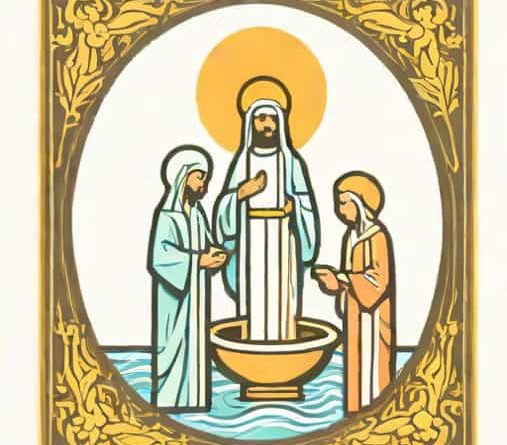
Baptism Of The Lord Feast Or Solemnity
The Baptism of the Lord is an important moment in the Christian liturgical calendar, marking the end of the Christmas season and the beginning of Jesus’ public ministry. Many people who follow the Church calendar often ask whether the Baptism of the Lord is considered a feast or a solemnity. Understanding this distinction helps clarify its place in the Church year and deepens appreciation for its spiritual meaning. This celebration carries theological, historical, and liturgical importance that goes beyond a simple classification.
Understanding the Meaning of the Baptism of the Lord
The Baptism of the Lord commemorates the moment when Jesus was baptized by John the Baptist in the Jordan River. According to the Gospels, this event revealed Jesus’ identity as the Son of God, with the Holy Spirit descending upon Him and the voice of the Father affirming Him. Because of this powerful revelation, the event is often seen as a turning point between Jesus’ hidden life and his public ministry.
In Christian tradition, the Baptism of the Lord highlights themes of humility, obedience, and divine revelation. Although Jesus was without sin, He chose to be baptized to fully identify with humanity and to sanctify the waters of baptism for all believers.
Feast or Solemnity Understanding the Difference
To understand whether the Baptism of the Lord is a feast or a solemnity, it is helpful to know how the Church classifies celebrations. In the Roman Catholic liturgical calendar, celebrations are ranked as solemnities, feasts, or memorials. Each level reflects the importance of the event being celebrated.
Solemnities are the highest-ranking celebrations. They often commemorate central mysteries of faith, such as Christmas, Easter, and Pentecost. Feasts are slightly lower in rank and usually honor important events in the life of Jesus, Mary, or the saints. Memorials are more common and typically remember individual saints.
The Official Classification of the Baptism of the Lord
The Baptism of the Lord is officially celebrated as a feast, not a solemnity. Even though it holds deep theological meaning, it does not carry the same liturgical rank as major solemnities like the Nativity or the Resurrection.
However, its placement in the Church calendar gives it a unique importance. It is the final day of the Christmas season, which means it serves as a transition from the celebration of Christ’s birth to the beginning of His public ministry.
Why the Baptism of the Lord Is Not a Solemnity
Some people wonder why such a significant event is not classified as a solemnity. One reason is that solemnities are generally reserved for events that directly express core mysteries of faith, such as the Trinity, the Incarnation, and the Resurrection.
While the Baptism of the Lord reveals the Trinity in a powerful way, it is more closely connected to Christ’s mission and ministry rather than the foundational mysteries themselves. For this reason, the Church designates it as a feast rather than elevating it to the highest liturgical rank.
Liturgical Practices on the Feast Day
On the Feast of the Baptism of the Lord, priests often wear white vestments, symbolizing purity and joy. The readings focus on Jesus’ baptism, the presence of the Holy Spirit, and the voice of the Father. In many parishes, this day is also used to reflect on the meaning of Christian baptism and the responsibilities that come with it.
Although it is not a solemnity, the celebration still carries a strong sense of reverence and spiritual depth. In some places, special blessings or renewal of baptismal promises may be included in the liturgy.
The End of the Christmas Season
One of the most significant aspects of the Baptism of the Lord is that it marks the official end of the Christmas season. After this feast, the Church enters Ordinary Time, a period focused on the teachings and miracles of Jesus.
This transition is symbolic. Christmas celebrates who Jesus is, while Ordinary Time explores what Jesus does. The Baptism of the Lord serves as the bridge between these two phases, making it a moment of reflection and renewal.
Theological Meaning for Believers
For many Christians, the Baptism of the Lord is an invitation to reflect on their own baptism. It serves as a reminder of personal commitment to faith, the call to live according to Gospel values, and the belief in being part of a larger spiritual family.
The event also emphasizes humility and obedience, as Jesus submits Himself to a ritual meant for repentance, even though He is without sin. This act continues to inspire believers to approach faith with humility and trust.
How Different Christian Traditions Observe the Day
While the Roman Catholic Church celebrates the Baptism of the Lord as a feast, other Christian traditions may observe it slightly differently. Some Eastern Christian churches include it within a broader celebration known as Theophany, which is often considered one of the most important feasts of the year.
Despite variations in liturgical emphasis, the core message remains the same the revelation of Jesus as the Son of God and the beginning of His mission to humanity.
The Baptism of the Lord is officially classified as a feast, not a solemnity, yet its spiritual importance should not be underestimated. It stands at a meaningful crossroads in the liturgical year, connecting the joy of Christ’s birth with the unfolding of His public ministry. Through this celebration, believers are reminded of their own baptism and called to renew their faith with purpose and humility.
Whether viewed from a theological, historical, or spiritual perspective, the Baptism of the Lord remains a powerful moment in Christian tradition. Its message continues to resonate, inviting reflection on identity, mission, and the transformative power of faith.