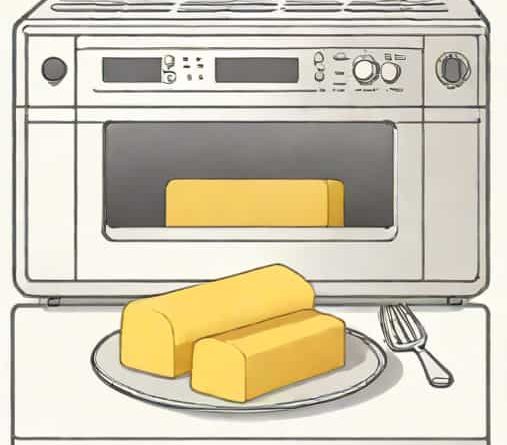
Can You Soften Butter In The Microwave
Softening butter is an essential step in many baking recipes, whether you are making cookies, cakes, or frosting. Achieving the right consistency ensures proper mixing, smooth texture, and even baking results. Many home cooks wonder if they can soften butter in the microwave, as it is often faster than leaving it at room temperature for 30 minutes to an hour. While microwaving butter is possible, there are best practices, tips, and precautions that should be followed to avoid melting or overcooking it. Understanding the proper technique can save time and improve the quality of your baked goods.
Why Softened Butter Is Important
Butter consistency plays a significant role in baking. When a recipe calls for softened butter, it means the butter should be pliable and easy to mix but not melted. Softened butter allows sugar to be creamed into it, creating air pockets that contribute to the lightness of cakes and cookies. If butter is too hard, mixing becomes difficult and the texture may be uneven. On the other hand, melted butter can lead to flat cookies or overly dense cakes. Softening butter correctly ensures that your recipes turn out as intended.
Signs of Properly Softened Butter
To determine if your butter is softened correctly
- It should leave a slight indentation when pressed with a finger.
- It should spread easily but maintain its shape.
- It should not be shiny or oily, which indicates partial melting.
Can You Soften Butter in the Microwave?
Yes, you can soften butter in the microwave, but it requires careful attention to avoid melting. Microwaves heat unevenly, so using low power settings and short intervals is essential. Softening butter in the microwave is a convenient method when time is limited, especially if you need it ready quickly for a recipe. However, improper use of the microwave can cause butter to melt in some areas while remaining hard in others, which can affect the consistency of your batter or dough.
Step-by-Step Guide to Softening Butter in the Microwave
Follow these steps to safely soften butter in the microwave
- Cut the butter into smaller piecesSmaller cubes will soften faster and more evenly.
- Use a microwave-safe dishPlace the butter pieces on a plate or shallow bowl to allow heat to distribute evenly.
- Set the microwave to low power30% or defrost power settings work best to prevent melting.
- Heat in short intervalsStart with 10-second bursts and check the butter after each interval.
- Test for softnessPress lightly with a finger or utensil. If it is still firm, continue microwaving in 5- to 10-second intervals.
- Rotate or stir if necessaryFor larger pieces, rotating the butter or rearranging cubes helps heat evenly.
Tips to Avoid Overheating Butter
Microwaving butter too long can cause it to melt, which is different from softened butter. Here are some tips to prevent overheating
- Use room temperature butter whenever possible, which reduces microwave time.
- Do not use high power settings, as this can quickly turn the butter into liquid.
- Keep a close eye on the butter, checking every few seconds.
- If part of the butter melts, you can use a spatula to mix it back together with the softer pieces to achieve uniform consistency.
- Consider using a butter softening disk or placing butter between parchment paper to maintain shape while microwaving.
Alternative Methods to Soften Butter
If you prefer not to use a microwave, there are other ways to soften butter effectively
- Room temperature methodLeave butter on the counter for 30-60 minutes, depending on the ambient temperature.
- Grating or slicingShredding butter with a cheese grater increases surface area, allowing it to soften quickly.
- Warm water bathPlace butter in a sealed bag and immerse it in slightly warm water for a few minutes.
- Pounding methodFlatten butter with a rolling pin between parchment paper to speed up softening.
Uses for Softened Butter in Recipes
Softened butter is versatile and required in many recipes for its ability to blend smoothly with other ingredients. Some common uses include
- Cookie dough and cake batters that require creaming butter with sugar
- Frostings and buttercream, where texture is crucial
- Pastry and dough recipes that call for pliable butter for folding and shaping
- Spreading on bread, toast, or rolls without tearing or breaking the surface
Benefits of Softened Butter
Softened butter ensures even distribution of fat in a recipe, leading to consistent texture and flavor. It incorporates air during mixing, producing lighter and fluffier baked goods. For frosting, softened butter blends smoothly with sugar and liquids, creating a creamy, stable mixture. Overall, using properly softened butter improves both the aesthetic and structural quality of recipes.
Common Mistakes When Softening Butter
Even experienced bakers can encounter issues when softening butter in the microwave. Common mistakes include
- Microwaving on high power, which causes uneven melting
- Skipping the step of cutting butter into smaller pieces, which slows down the softening process
- Leaving butter in the microwave too long, resulting in fully melted butter that cannot be used for creaming
- Ignoring room temperature variations, which can affect softening time
you can soften butter in the microwave, but it requires careful attention to power settings, timing, and piece size. Using low power, short intervals, and frequent checks ensures butter softens evenly without melting. Alternatives such as grating, slicing, or leaving butter at room temperature provide options for achieving the same result without risk of overheating. Properly softened butter is essential for baking success, improving texture, flavor, and consistency in cookies, cakes, frostings, and doughs. By understanding the techniques and precautions, home cooks can confidently prepare softened butter for any recipe, making their baking process smoother, faster, and more reliable.