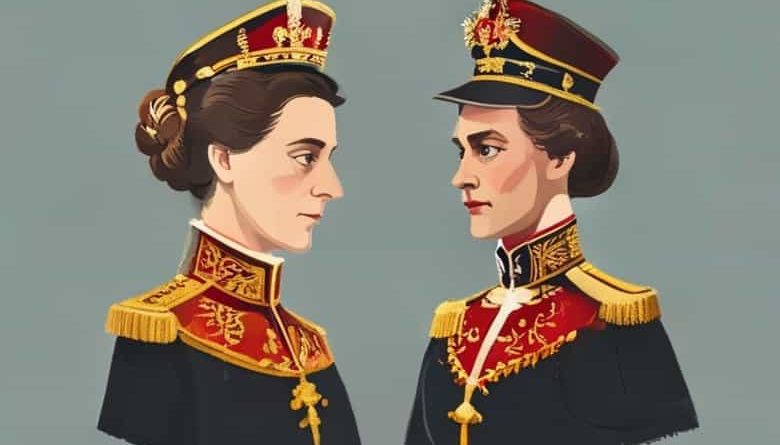
Czar Nicholas Ii And Czarina Alexandra
Czar Nicholas II and Czarina Alexandra are among the most well-known figures in Russian history, representing the final chapter of the Romanov dynasty before the Russian Revolution of 1917. Their reign was marked by political turmoil, social unrest, and a series of personal tragedies that would ultimately culminate in the tragic end of the royal family. Understanding their lives, governance, and the circumstances surrounding their downfall provides important insight into the historical, social, and cultural context of early 20th-century Russia. Their story is a mixture of imperial duty, family devotion, and historical consequence that continues to fascinate historians and the public alike.
The Early Life of Czar Nicholas II
Nicholas II was born on May 18, 1868, in Pushkin, Russia, as the eldest son of Czar Alexander III and Czarina Maria Feodorovna. He received a rigorous education designed to prepare him for future leadership, focusing on history, law, and military strategy. Nicholas was known for his conservative views and strong belief in autocracy, influenced by the political climate of late 19th-century Russia. He ascended to the throne in 1894 following the death of his father, inheriting a nation facing social unrest and economic challenges.
Early Reign and Governance
As Czar, Nicholas II attempted to maintain the traditional autocratic rule of the Romanov dynasty, resisting calls for liberal reforms. His early reign was marked by efforts to modernize the military and expand industrialization, yet he struggled to address the growing discontent among peasants, workers, and political reformers. Nicholas II’s decisions, including his handling of the Russo-Japanese War and the 1905 Revolution, were often criticized for being indecisive or reactive rather than proactive.
The Life of Czarina Alexandra
Czarina Alexandra Feodorovna, born Princess Alix of Hesse in Germany in 1872, became Nicholas II’s wife in 1894. Alexandra was a deeply religious and private individual who was intensely devoted to her family. She was also known for her strong influence over Nicholas II, especially in matters relating to their children and the management of the court. Alexandra’s German origins and her reliance on the mystic healer Rasputin later fueled public suspicion and criticism during the royal family’s troubled years.
Personality and Influence
Alexandra’s personality was characterized by her piety, dedication to family, and deep concern for the health of her children, particularly her only son, Alexei, who suffered from hemophilia. Her influence over Nicholas II extended beyond the private sphere, affecting political decisions and appointments. Her dependence on Rasputin for guidance concerning Alexei’s health further complicated her public image, as rumors and scandals regarding Rasputin’s influence spread throughout Russia.
The Royal Family and Domestic Life
Nicholas II and Alexandra had five children four daughters-Olga, Tatiana, Maria, and Anastasia-and one son, Alexei. Despite the challenges of public life, the royal family shared a close-knit bond, often retreating to private estates such as Tsarskoye Selo and the Alexander Palace for family time. Their devotion to each other was evident, but the isolation from broader societal concerns and political realities contributed to criticisms of their detachment from the struggles of the Russian people.
Personal Tragedies and Challenges
The royal family faced significant personal challenges, including Alexei’s hemophilia, which required constant medical attention and placed great stress on Alexandra. Additionally, the royal family’s attempts to shield themselves from political unrest left them vulnerable to public scrutiny and resentment. These personal and political pressures would eventually intersect in ways that dramatically shaped the fate of Nicholas II and Alexandra.
Political Challenges During Their Reign
Nicholas II’s reign coincided with a period of significant social, political, and economic turmoil. The rapid industrialization of Russia brought both economic growth and severe social inequality. Peasant unrest, labor strikes, and the rise of revolutionary movements challenged the authority of the monarchy. Events such as the Russo-Japanese War (1904-1905) and Bloody Sunday in 1905, where peaceful protesters were shot by the Imperial Guard, fueled public anger and undermined confidence in Nicholas II’s leadership.
World War I and Its Impact
The outbreak of World War I in 1914 further strained Russia’s resources and exacerbated social unrest. Nicholas II assumed personal command of the Russian army, leaving domestic affairs largely in the hands of Alexandra. Her decisions, including her reliance on Rasputin and controversial political appointments, deepened public discontent. The hardships of war, coupled with poor military performance and food shortages, created an environment ripe for revolution.
The Fall of the Romanovs
The combination of political mismanagement, war fatigue, and social unrest led to the abdication of Nicholas II in March 1917. The monarchy was replaced by a provisional government, which itself was soon overthrown by the Bolsheviks during the October Revolution. Nicholas II, Alexandra, and their children were placed under house arrest in Siberia. Despite international appeals for clemency, the family was executed by Bolshevik forces on July 17, 1918, in Yekaterinburg, marking the tragic end of the Romanov dynasty.
Historical Significance
The execution of Nicholas II and Alexandra symbolized the dramatic end of centuries of monarchical rule in Russia. Their deaths had profound political and cultural implications, serving as a pivotal moment in Russian history that paved the way for the establishment of the Soviet Union. The Romanovs’ legacy, including the personal tragedies and political failures of Nicholas II and Alexandra, remains a subject of historical study and public fascination.
Legacy and Cultural Impact
Despite their controversial reign, Nicholas II and Alexandra continue to captivate historians, authors, and filmmakers. Their story is often depicted as a tragic tale of devotion, duty, and the consequences of political miscalculation. Monuments, biographies, and popular media have explored both the personal lives of the royal couple and the broader historical context of their reign, highlighting themes of loyalty, sacrifice, and the challenges of leadership during a time of upheaval.
Canonization and Recognition
In 2000, the Russian Orthodox Church canonized Nicholas II and Alexandra as passion bearers, honoring their faith and suffering. This recognition added a spiritual dimension to their legacy and highlighted their personal devotion despite the political turmoil that surrounded them. The canonization also reflects the enduring interest in the Romanovs’ lives and the continued exploration of their impact on Russian history.
Czar Nicholas II and Czarina Alexandra represent one of the most dramatic and poignant stories in Russian history. Their reign was marked by personal devotion, political challenges, and a tragic ending that reflected the turbulent times in which they lived. Understanding their lives, leadership, and the historical context of their reign provides insight into the complexities of monarchy, the social and political tensions of early 20th-century Russia, and the enduring fascination with the Romanov legacy. From their family life and personal struggles to the catastrophic consequences of their political decisions, Nicholas II and Alexandra continue to serve as symbols of a bygone era, illustrating both the human and historical dimensions of leadership during a period of immense change.