Did The Banyan Tree In Lahaina Survive
The banyan tree in Lahaina has long been more than just a plant. For residents and visitors alike, it represented memory, shade, gathering, and continuity. When devastating wildfires swept through Lahaina, many people around the world asked the same question with deep concern did the banyan tree in Lahaina survive? The answer is not a simple yes or no. Its story is one of damage, resilience, uncertainty, and hope, reflecting the broader experience of the community that grew around it.
The Historical Importance of the Lahaina Banyan Tree
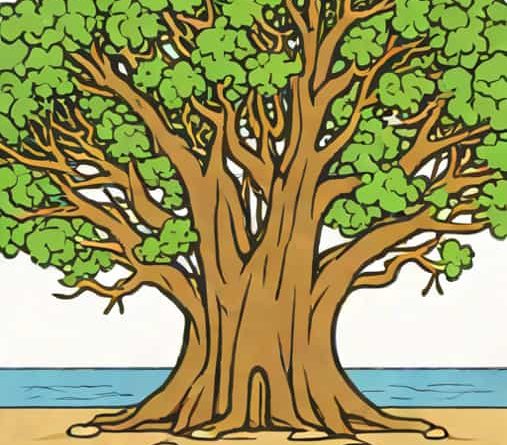
The Lahaina banyan tree was planted in the 19th century and gradually became one of the most recognizable landmarks in Maui. Over decades, it expanded outward rather than upward, forming a vast canopy supported by dozens of aerial roots. Locals used the shaded area beneath it as a meeting place, while travelers saw it as a symbol of Lahaina’s unique character.
Beyond its physical presence, the banyan tree in Lahaina carried cultural weight. It stood near the historic center of town, surrounded by stories of Hawaiian history, trade, and everyday life. This is why questions about whether the Lahaina banyan tree survived the fire were filled with emotion, not just curiosity.
What Happened During the Lahaina Fire
The wildfire that struck Lahaina moved with shocking speed, fueled by dry conditions and strong winds. Flames tore through neighborhoods, historic buildings, and public spaces. The banyan tree, located close to the waterfront and surrounded by structures, was directly exposed to intense heat and smoke.
Eyewitness accounts described the tree engulfed by fire, its leaves burned away and parts of its trunk charred. Early images showed a blackened skeleton where a lush green canopy once stood. For many observers, it seemed unlikely that such an old tree could survive that level of damage.
Did the Banyan Tree in Lahaina Survive?
In the days following the fire, officials and arborists carefully assessed the damage. The initial conclusion was sobering the banyan tree had suffered severe injury. Nearly all of its leaves were burned, and sections of its massive trunk were scorched. However, the tree was not declared dead.
What surprised many people was that the core structure of the banyan tree in Lahaina remained standing. Its extensive root system, which had developed over more than a century, was still anchored in the ground. This raised cautious optimism that survival was possible, even if full recovery would take years.
Signs of Life After the Fire
Weeks after the wildfire, small but meaningful changes began to appear. Tiny green shoots emerged from parts of the trunk and branches. These signs of regrowth suggested that the tree’s internal systems were still functioning. Arborists explained that banyan trees are particularly resilient, capable of regenerating even after extreme stress.
For the community, these first leaves carried symbolic power. Images of new growth spread quickly, reinforcing the idea that the banyan tree in Lahaina had survived, at least in part. While the tree was far from healthy, it was alive.
Why Banyan Trees Are So Resilient
Banyan trees belong to the fig family and are known for their unique growth patterns. Instead of relying on a single trunk, they develop multiple supporting roots that act like pillars. This structure allows them to distribute damage and survive conditions that might kill other trees.
- Extensive root systems help retain moisture and nutrients.
- Multiple trunks reduce reliance on a single point of growth.
- Ability to sprout new leaves from older wood.
These characteristics played a key role in the Lahaina banyan tree’s survival after the fire.
Ongoing Care and Restoration Efforts
After confirming that the tree was alive, experts began planning how to support its recovery. This included removing severely damaged branches, monitoring for disease, and ensuring proper soil conditions. The goal was not to force rapid growth, but to give the banyan tree in Lahaina the best chance to heal naturally.
Local authorities and community groups emphasized patience. Banyan trees grow slowly, and recovery from such trauma cannot be rushed. Some parts of the tree may never return, but others could continue to expand over time.
What Survival Really Means in This Context
When people ask if the banyan tree in Lahaina survived, they often imagine a return to its former appearance. In reality, survival means something more complex. The tree is alive, but changed. Its shape, canopy, and even the way people interact with it will be different.
This mirrors the experience of Lahaina itself. Buildings can be rebuilt, and trees can regrow, but the process leaves lasting marks. The banyan tree’s survival is not about erasing the fire, but about continuing forward despite it.
The Banyan Tree as a Symbol of Lahaina’s Recovery
For many residents, the survival of the banyan tree represents hope. It stands as a reminder that life can persist even after devastation. While it no longer provides the same shade or visual impact, its presence offers emotional grounding.
Visitors who return to Lahaina may see a tree that looks fragile or incomplete. Understanding its story adds depth to that experience. The banyan tree in Lahaina is no longer just a tourist attraction; it is a living witness to loss and resilience.
Looking Ahead to the Future
Experts believe the banyan tree will continue to show signs of recovery over the coming years. New branches may form, leaves may thicken, and its canopy could slowly expand again. However, full restoration to its previous size may never happen, and that is part of its new identity.
The question did the banyan tree in Lahaina survive will likely continue to be asked. The most honest answer is that it survived in a way that reflects nature’s adaptability. It endured extreme damage, but it did not give up. Like Lahaina itself, the banyan tree’s future will be shaped by care, time, and the determination to move forward.