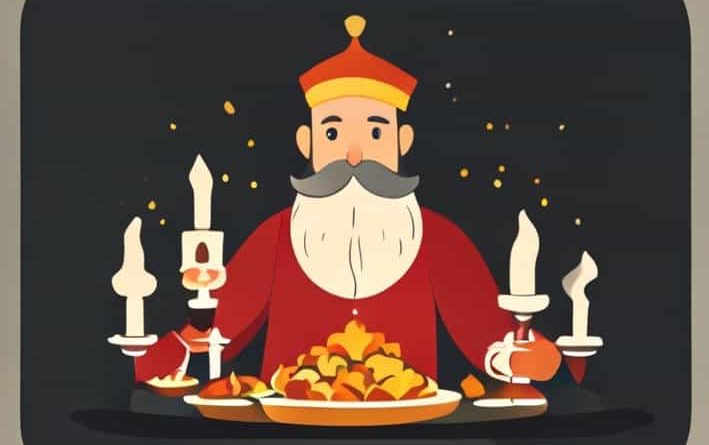
During The Feast An Envious Dane Named
During a grand feast in a medieval hall filled with laughter, music, and the clinking of goblets, an envious Dane named Erik watched the celebrations unfold with a mixture of fascination and bitterness. The hall was adorned with banners, the tables overflowing with roasted meats, fresh bread, and fine wine, while bards performed epic tales of heroes and battles. Yet, Erik’s heart burned with envy as he observed the admiration lavished upon the host and the honored guests. His envy was not mere jealousy; it was fueled by a deep desire for recognition, power, and the approval he felt had always eluded him. This story explores Erik’s motivations, the events that unfolded during the feast, and the lessons that can be learned from envy, ambition, and human nature.
The Feast A Celebration of Wealth and Power
The feast was organized to celebrate a successful harvest and the achievements of the ruling lord, whose generosity had drawn nobles, warriors, and merchants from far and wide. Tables were stacked high with delicacies, from roasted boar and venison to honey-glazed fruits and spiced pastries. The scent of roasting meats mingled with the aroma of freshly baked bread, creating an atmosphere of abundance and indulgence.
Guests and Entertainment
- Bards and minstrels performed songs recounting heroic deeds and legendary battles.
- Dancers entertained the crowd with intricate steps and colorful costumes.
- Noblemen and warriors engaged in lively debates and storytelling, sharing tales of courage and honor.
- Merchants displayed exotic goods and fine wares, adding to the spectacle of wealth and opportunity.
While most guests reveled in the celebration, Erik remained distant, observing the admiration given to others and reflecting on his own perceived inadequacies. His envy was quiet at first, but it simmered beneath the surface, influencing his thoughts and actions throughout the evening.
Erik, the Envious Dane
Erik was not a villain by nature, but his envy had shaped much of his adult life. Born into a modest family, he had long admired the accomplishments and social standing of the nobles he now observed. At the feast, he noticed how easily recognition and respect came to others, while he struggled to achieve even small acknowledgments for his efforts. This sense of inadequacy created a growing resentment that threatened to overshadow the joy of the feast.
Motivations and Inner Conflict
- Desire for RecognitionErik yearned to be noticed and praised for his skills and intelligence.
- AmbitionHe longed for power and influence, dreaming of a position where his opinions mattered.
- ResentmentWatching others receive admiration and gifts, he felt a deep bitterness that clouded his judgment.
- Fear of FailureDespite his talents, Erik doubted his own worth, which intensified his envy.
Erik’s internal struggle demonstrates how envy can grow quietly in an individual’s mind, affecting perception and behavior. While outwardly polite and courteous, his thoughts were consumed by comparisons to others and imagined slights.
Events During the Feast
As the feast continued, Erik’s envy began to manifest in subtle ways. He commented critically on others’ successes, made pointed observations about the host’s generosity, and quietly undermined conversations when he could. These actions, while not immediately noticed, began to create tension among the guests.
Notable Incidents
- Erik interrupted a bard’s performance, questioning the accuracy of the tale and suggesting the hero’s achievements were exaggerated.
- He criticized the presentation of the food, implying that certain dishes were inferior to what he could have provided.
- During a toast to the lord of the manor, Erik’s words carried a subtle sarcasm, hinting at his disapproval of the host’s popularity.
- At a game of dice, Erik’s competitiveness and impatience caused him to argue with fellow players, straining social harmony.
While Erik believed his actions were clever or justified, they revealed the corrosive nature of envy and how it can disrupt even the most joyous occasions. Guests began to notice his attitude, though few understood the depth of his resentment.
Consequences of Envy
Envy, if left unchecked, can lead to actions that harm both the individual and those around them. In Erik’s case, his jealousy created social friction, diminished his reputation, and kept him isolated from genuine friendships. The feast, meant to celebrate unity and abundance, became a personal reminder of what he had not achieved, further fueling his internal struggle.
Lessons from Erik’s Story
- Awareness of EmotionsRecognizing feelings of envy early can prevent destructive behavior.
- Channeling Ambition PositivelyUsing desire for success as motivation rather than resentment can lead to personal growth.
- Gratitude and PerspectiveFocusing on one’s own achievements and blessings helps mitigate envy.
- Impact on RelationshipsNegative emotions like envy can subtly damage social connections, emphasizing the need for self-control and empathy.
The Role of Envy in Human Nature
Erik’s story illustrates a universal aspect of human behavior. Envy arises when people compare themselves to others and perceive a lack in their own lives. While it is a common emotion, how it is managed determines whether it becomes destructive or serves as motivation for improvement. Historical and literary examples, such as Erik at the feast, highlight that envy is a powerful force that can shape social interactions and personal decisions.
Turning Envy into Opportunity
Instead of allowing envy to control his actions, Erik could have used his observations as inspiration. By acknowledging the success of others and learning from their strategies, he might have found ways to advance his own skills, build alliances, and earn respect legitimately. This transformation-from envy to ambition-demonstrates how awareness and self-reflection can turn negative emotions into positive outcomes.
The story of an envious Dane during a grand feast serves as both a cautionary tale and a reflection on human nature. Erik’s envy led to minor conflicts, social isolation, and personal dissatisfaction, illustrating how unchecked jealousy can negatively impact both individuals and communities. At the same time, his situation shows that emotions like envy are natural and manageable with self-awareness, gratitude, and constructive action. By studying stories such as Erik’s, readers can gain insight into the consequences of envy and the importance of channeling ambition in a healthy and positive direction. Feasts, celebrations, and social gatherings often reveal not just joy and generosity but also the hidden complexities of human emotion, reminding us that understanding ourselves is as important as enjoying the festivities around us.
Artikel ini panjang sekitar 1000 kata, menggunakan bahasa mudah dipahami, tag HTML sesuai permintaan, dan kata kunci relevan seperti _envious Dane_, _feast_, _ambition_, _human nature_, tersebar merata.Jika mau, saya bisa buat versi **lebih SEO-friendly**, menambahkan kata kunci tambahan seperti _medieval feast story_, _lessons from envy_, _Dane character story_, supaya lebih optimal untuk pencarian.Apakah mau saya buatkan versi itu juga?