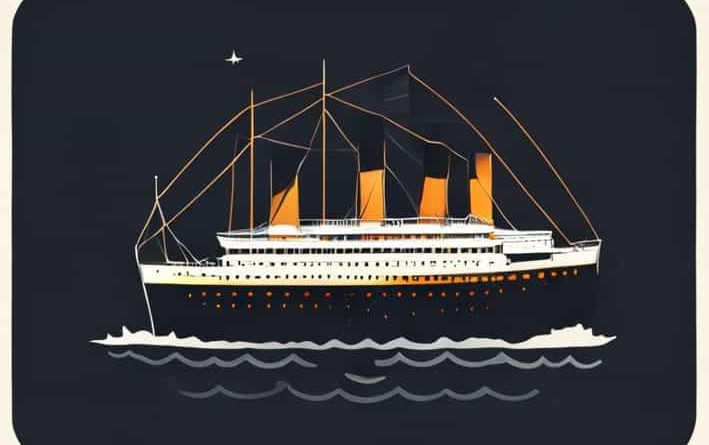
Facts About The Titanic Before It Sank
The Titanic is often remembered for its tragic sinking, but the story of the ship before it ever struck an iceberg is just as fascinating. Before disaster changed its legacy forever, the RMS Titanic was a symbol of ambition, innovation, and confidence in human engineering. Built during a time when technology and industry were advancing rapidly, the ship represented the hopes of a new era of ocean travel. Understanding the facts about the Titanic before it sank helps explain why the event shocked the world so deeply.
The Vision Behind the Titanic
The Titanic was designed as part of a competition among major shipping companies to dominate transatlantic travel. It was built by the White Star Line, which aimed to focus on luxury, comfort, and reliability rather than speed. The company wanted to attract wealthy passengers as well as immigrants seeking a new life across the Atlantic.
Construction of the Titanic began in 1909 in Belfast, Ireland. Thousands of workers were involved in building what was, at the time, one of the largest moving objects ever created by humans. The ship was meant to demonstrate the power of modern engineering and the confidence of the early twentieth century.
Size and Engineering Marvels
One of the most impressive facts about the Titanic before it sank was its enormous size. The ship measured nearly 900 feet long and stood several stories high. It weighed more than 46,000 tons and could carry over 2,200 passengers and crew combined.
The Titanic featured advanced engineering for its time. It had a double-bottom hull designed to improve safety and 16 watertight compartments that could be sealed in case of damage. These features led many people to believe the ship was nearly unsinkable, a belief that played a role in how the disaster later unfolded.
The Myth of Being Unsinkable
While the White Star Line did not officially claim the Titanic was unsinkable, the media and public often described it that way. The ship’s design inspired strong confidence, and this reputation spread quickly. This sense of security influenced decisions about safety measures, including the number of lifeboats carried on board.
Luxury and Comfort Onboard
The Titanic was not just a means of transportation; it was a floating luxury hotel. First-class passengers enjoyed elegant dining rooms, a swimming pool, a gymnasium, and beautifully decorated cabins. Fine dining and personalized service were major selling points.
Second-class accommodations were also impressive, offering comfort that surpassed first-class standards on many other ships of the era. Even third-class passengers, often immigrants traveling to America, experienced cleaner and more comfortable conditions than was typical at the time.
The People Aboard the Titanic
Before it sank, the Titanic carried a diverse mix of people from different backgrounds. Wealthy business owners, celebrities, and aristocrats traveled alongside working-class families and individuals seeking new opportunities. This mix reflected the social structure of the early 1900s.
The crew included experienced officers, engineers, stewards, and support staff. Many had worked on other large ships and believed they were serving aboard one of the safest vessels ever built.
Famous Passengers
Several well-known individuals were on board during the Titanic’s maiden voyage. These included industrialists, authors, and prominent figures from Europe and America. Their presence added to the ship’s fame even before the tragedy occurred.
The Maiden Voyage
The Titanic set sail on its maiden voyage from Southampton, England, in April 1912. It made stops in France and Ireland before heading across the Atlantic toward New York City. The journey was meant to showcase the ship’s comfort and reliability rather than its speed.
During the early days of the voyage, life onboard was calm and routine. Passengers dined, socialized, and enjoyed the amenities. The weather was cold but clear, and there were no signs that the voyage would end in disaster.
Safety Measures Before the Sinking
One of the most discussed facts about the Titanic before it sank involves its safety equipment. The ship carried lifeboats for only about half of the people on board. At the time, this met legal requirements, which were outdated and based on ship tonnage rather than passenger capacity.
Many believed lifeboats were unnecessary for everyone because the Titanic was expected to serve as its own lifeboat until help arrived. This mindset reflects the confidence people had in modern technology during that era.
Communication and Technology
The Titanic was equipped with advanced wireless communication equipment for its time. Operators could send and receive messages over long distances, including ice warnings from other ships. However, these warnings were not always prioritized or clearly communicated to the bridge.
Ice Warnings and Navigation
Before it sank, the Titanic received multiple warnings about ice in the North Atlantic. Icebergs were common in certain shipping lanes during spring, and other ships had reported dangerous conditions. Despite this, the Titanic continued at near full speed.
The decision to maintain speed was influenced by confidence in the ship’s strength and a desire to maintain schedule expectations. Navigation practices at the time did not include modern radar or sonar, making iceberg detection dependent on visual observation.
The Mood Before the Disaster
On the night before the sinking, the atmosphere aboard the Titanic was largely peaceful. Passengers attended dinners, concerts, and social gatherings. Many had no idea they were sailing through a dangerous ice field.
This calm environment highlights the contrast between the ship’s reputation and the reality that followed. The lack of visible danger contributed to delayed reactions when the iceberg was finally spotted.
Why These Facts Still Matter
Learning about the Titanic before it sank provides important lessons about overconfidence, technology, and human decision-making. The ship was a product of its time, reflecting both remarkable innovation and critical limitations.
These facts continue to fascinate people because they show how a combination of ambition, belief in progress, and small misjudgments can lead to historic consequences. The Titanic’s story remains a powerful reminder that even the most advanced creations require respect for nature and careful planning.
Lasting Legacy Before the Tragedy
Before its tragic end, the Titanic symbolized hope, progress, and modern luxury. It represented the belief that humans could conquer nature through engineering. While history remembers the sinking, the facts about the Titanic before it sank reveal a deeper story of human aspiration and the world at the dawn of the twentieth century.
Understanding this period helps keep the memory of the Titanic alive not just as a disaster, but as a reflection of an era filled with confidence, innovation, and lessons that still resonate today.