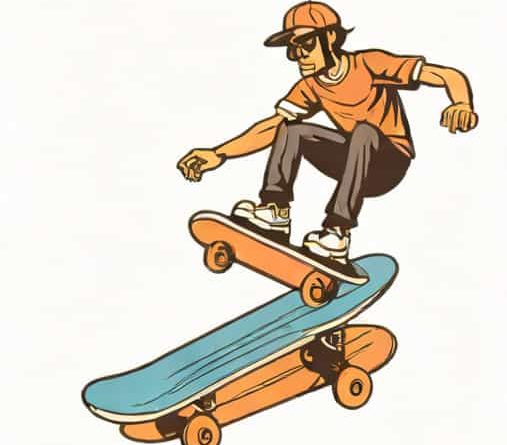
Get Serious Hang Time As A Skateboarder
Skateboarding is more than just a hobby; it is a sport that combines skill, balance, and creativity. One of the most exciting aspects of skateboarding is achieving hang time-the amount of time a skateboarder stays airborne during a trick. Whether you are attempting an ollie, kickflip, or more advanced tricks on ramps or in street skating, increasing your hang time can improve your performance, style, and confidence. Understanding the techniques, equipment, and training required to get serious hang time is essential for any skateboarder looking to progress to the next level.
Understanding Hang Time
Hang time refers to the duration a skateboarder spends in the air after launching off a ramp, obstacle, or performing a trick. Greater hang time allows for more complex maneuvers, smoother landings, and the ability to impress judges in competitions or peers at the skatepark. It requires a combination of proper technique, physical strength, and timing to maximize the airborne experience.
Why Hang Time Matters
- Enhanced trick execution More time in the air allows for additional rotations and combinations.
- Smoother landings Proper hang time helps maintain control and balance for safer landings.
- Competitive edge In skateboarding competitions, longer hang time can increase scoring potential.
- Improved style Extended hang time adds flair and fluidity to your movements.
Techniques to Increase Hang Time
Getting serious hang time requires mastering a few key techniques. Whether you are skating vert ramps, street obstacles, or bowls, proper body positioning, timing, and motion are crucial. Consistent practice and attention to detail are necessary to see significant improvements.
Ollie Mastery
The ollie is the foundational trick for many skateboarding maneuvers. Perfecting your ollie can dramatically increase hang time. Focus on
- Pop StrengthUse your back foot to snap the tail of the board down firmly.
- Front Foot SlideSlide your front foot upward along the board to level it in midair.
- Knee LiftPull your knees up toward your chest to extend your air time.
Ramp and Vert Techniques
When skating on ramps or vertical obstacles, your approach and takeoff angles influence hang time. Key tips include
- Approach at the correct speed Too slow reduces airtime, while too fast may cause loss of control.
- Maintain a low stance Bending your knees before the launch generates upward momentum.
- Use the ramp’s curvature Push off the lip with controlled force to maximize vertical height.
Body Positioning and Balance
Proper body alignment is critical for maximizing hang time. Keep your shoulders parallel to the board and your weight centered. Engaging your core muscles will provide stability and control while airborne, allowing for longer and smoother hang time.
Strength and Conditioning for Skateboarders
Physical conditioning plays a major role in achieving serious hang time. Strong legs, core, and balance training enable skateboarders to generate power during takeoff and maintain control in the air. Incorporating strength training, flexibility exercises, and cardio can significantly enhance performance.
Leg Strength
Exercises such as squats, lunges, and calf raises build the muscles required to push off ramps and perform powerful ollies. Explosive leg strength translates directly into higher jumps and longer hang time.
Core Stability
A strong core helps maintain balance and control while airborne. Planks, sit-ups, and rotational exercises strengthen abdominal and lower back muscles, ensuring stability during tricks.
Flexibility and Mobility
Stretching and mobility work prevent injuries and allow skateboarders to tuck their knees more effectively, which extends hang time. Focus on hip, ankle, and hamstring flexibility for optimal results.
Skateboard Setup for Maximum Hang Time
The skateboard itself can influence your ability to achieve hang time. Choosing the right deck, trucks, and wheels ensures better control and responsiveness, which can help you stay airborne longer and land more smoothly.
Deck Size and Shape
A wider deck provides stability, while a lighter deck can make it easier to pop higher into the air. Skateboarders should select a deck that balances control and maneuverability according to their style and preferred tricks.
Trucks and Wheels
- TrucksProperly tightened trucks help maintain board control during takeoff and landing. Loose trucks provide easier turning but may reduce stability.
- WheelsSofter wheels offer better grip on rough surfaces, while harder wheels allow for smoother rides on smooth ramps. The right wheel choice can affect speed, control, and hang time.
Practice and Progression
Getting serious hang time is not achieved overnight. Skateboarders must practice consistently, gradually increasing difficulty and refining their technique. Start with basic tricks and ramps, then progress to higher obstacles and complex maneuvers. Filming your sessions can help identify areas for improvement and track progress over time.
Incremental Challenges
- Start with small ramps to build confidence and control.
- Gradually increase height and complexity as your technique improves.
- Combine tricks midair to extend hang time and enhance style.
Safety Considerations
Maximizing hang time can increase risk, so wearing protective gear is essential. Helmets, knee pads, elbow pads, and wrist guards reduce the chance of injury during falls. Practicing in controlled environments, such as skateparks with smooth surfaces and padded areas, ensures safety while pushing your limits.
Getting serious hang time as a skateboarder requires a combination of proper technique, physical conditioning, skateboard setup, and consistent practice. By mastering the ollie, improving body positioning, building leg and core strength, and choosing the right equipment, skateboarders can achieve longer and more controlled airtime. Incremental challenges, attention to safety, and a commitment to regular practice allow skateboarders to enhance their style, execute complex tricks, and enjoy a more thrilling skateboarding experience. Whether skating vert ramps, bowls, or street obstacles, hang time is a key factor that separates casual riders from serious skateboarders, making it an essential focus for anyone looking to elevate their skills and performance.