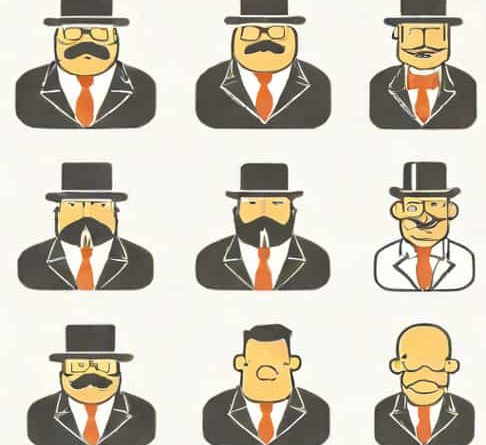
How Are The Portly Gentlemen Presented
In literature, theater, and visual media, the way characters are presented can significantly influence how audiences perceive them. Portly gentlemen, in particular, are often depicted in ways that convey more than just their physical appearance. They may be used to symbolize wealth, authority, indulgence, or humor, and their portrayal can be nuanced depending on the context of the work. Examining how portly gentlemen are presented helps us understand both the creative intentions of the author or director and the social attitudes that inform these characterizations.
Physical Appearance and Visual Cues
One of the most obvious ways portly gentlemen are presented is through their physical appearance. Writers and visual artists frequently emphasize their size, dress, and posture to communicate personality traits or social status. In novels, detailed descriptions of clothing, accessories, and bodily mannerisms often accompany references to their corpulence, signaling either elegance or comedic exaggeration.
Clothing and Style
Portly gentlemen are commonly depicted wearing tailored suits, waistcoats, and formal attire that indicate wealth and social standing. These sartorial choices are not only functional but symbolic a well-dressed portly man suggests refinement, taste, and influence. Conversely, oversized or ill-fitting clothing can signal neglect, gluttony, or a humorous, less flattering presentation. In visual media, costume designers use this aspect deliberately to reinforce character traits or contrast with other characters in the scene.
Posture and Movement
Movement and posture further shape audience perception. A portly gentleman who carries himself with confidence and dignity conveys authority and self-assuredness. By contrast, exaggerated gestures, waddling steps, or frequent panting may be used to create comic relief or emphasize physical limitations. These visual and descriptive cues collectively contribute to the audience’s understanding of the character beyond mere size.
Personality and Social Traits
Portly gentlemen are rarely presented as one-dimensional. Authors often use their corpulence as a lens to explore personality traits, habits, and social behavior. These traits can range from generosity and joviality to vanity and indulgence, depending on the narrative’s purpose and tone.
Jovial and Approachable
In many works, portly gentlemen are portrayed as cheerful, friendly, and approachable figures. Their size is sometimes associated with abundance and warmth, suggesting a life of comfort and enjoyment. They may be depicted enjoying food, drink, or social gatherings, reinforcing their role as likable and sociable characters. This type of presentation can evoke audience sympathy and affection, encouraging readers or viewers to see them as relatable and endearing.
Authority and Influence
Alternatively, portly gentlemen can be symbols of power and social influence. In certain literary or cinematic contexts, their corpulence suggests wealth, status, or bureaucratic importance. For example, in Victorian literature, a fat gentleman might represent a prosperous merchant, an established politician, or a senior member of society. Their physical presence emphasizes their dominance in social interactions, and their words and decisions often carry weight in the narrative. This portrayal aligns their physical stature with metaphorical weight, reinforcing hierarchical and social structures.
Humor and Satire
Humor is another common lens through which portly gentlemen are presented. Writers and visual creators often exaggerate certain traits for comedic effect. Slapstick scenarios, overindulgence in food, or clumsy actions are examples of how physical size can be used as a vehicle for amusement. Satirical works might also use portly characters to critique social norms, mocking greed, vanity, or pretentiousness in society. The use of comedy in presenting these characters often balances critique with entertainment, engaging audiences while conveying subtle commentary.
Dialogue and Voice
Speech patterns and dialogue contribute significantly to the presentation of portly gentlemen. Their manner of speaking can reinforce traits suggested by physical description and social context.
Refined and Authoritative
Some portly gentlemen speak in measured, deliberate tones, using sophisticated vocabulary that emphasizes intelligence, authority, or social standing. Their dialogue often mirrors their attire and posture, reinforcing the perception of dignity and respectability. In literature, these characters may deliver moral lessons, practical advice, or witty observations that enhance their presence and influence within the story.
Boisterous and Humorous
In contrast, other characters use speech to amplify humor or joviality. Loud laughter, playful teasing, or exaggerated storytelling may accompany their actions, aligning verbal expression with the physical humor derived from their size. This combination of dialogue and physical portrayal strengthens the audience’s perception of the character as entertaining, approachable, or satirical.
Symbolic and Thematic Roles
Beyond physical and social traits, portly gentlemen are often imbued with symbolic or thematic significance. Their presence can reinforce broader ideas within a narrative, from societal commentary to moral lessons.
Representation of Excess and Indulgence
Portly gentlemen may symbolize indulgence, excess, or hedonism. Their appetite, both literal and metaphorical, can illustrate the consequences of overconsumption or highlight disparities between characters of different social classes. In this context, corpulence becomes a narrative tool to explore human behavior, ethics, or societal critique.
Embodiment of Comfort and Stability
Conversely, they may also represent stability, warmth, and comfort. In family-oriented stories or settings emphasizing hospitality and community, a portly gentleman can serve as a reassuring presence, embodying abundance, generosity, and care. This symbolic usage draws on cultural associations between size, prosperity, and benevolence.
Comparisons Across Media
The presentation of portly gentlemen varies across different media, including literature, film, and theater.
Literary Depictions
In novels and short stories, authors rely heavily on descriptive language to convey the visual and social cues of portly gentlemen. Detailed observations of attire, physical gestures, and social interactions provide readers with a multidimensional understanding of the character. Literary techniques such as internal monologue, narration, and dialogue further deepen characterization.
Film and Television
Visual media can highlight physical traits more directly, using costuming, makeup, and body language to communicate character information. Cinematic framing, camera angles, and lighting also influence audience perception, emphasizing traits such as dominance, humor, or warmth. Actors’ performances – including facial expressions, movement, and vocal delivery – are critical in translating written or implied traits into on-screen presence.
Theater and Performance
In theater, exaggerated features, gestures, and vocal techniques are often employed to communicate character traits to live audiences. Portly gentlemen may be presented through heightened performance to ensure their presence and personality are conveyed effectively, even to spectators at a distance. Theatrical presentation allows for a dynamic blend of physicality, costume, and dialogue that makes the character memorable and engaging.
Portly gentlemen are presented in a variety of ways across literature, film, and theater, using physical appearance, attire, posture, dialogue, and thematic symbolism to shape audience perception. They can embody authority, wealth, humor, or warmth, depending on context and creative intent. By examining these portrayals, we gain insight not only into the characters themselves but also into the societal values, cultural associations, and narrative strategies that inform their depiction. Understanding how portly gentlemen are presented enhances our appreciation of character development and storytelling, revealing the complex interplay between physical traits, personality, and thematic meaning.