How Long Is Recess In Elementary School
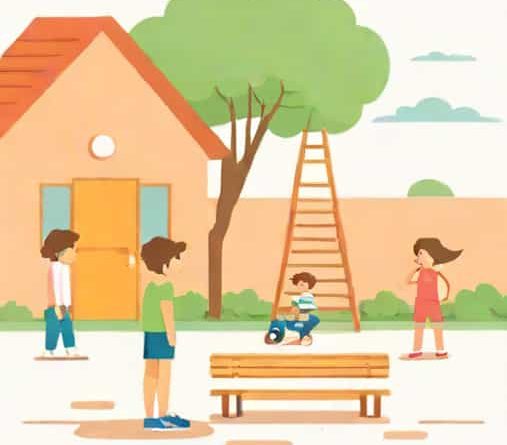
Recess is an essential part of the elementary school experience, providing students with a break from academic work to play, socialize, and recharge. The length of recess can vary depending on the school district, the age of students, and state or national guidelines, but it plays a critical role in supporting both physical and mental well-being. During recess, children have the opportunity to engage in physical activity, practice social skills, and develop independence. The duration of this break is often carefully considered by educators to balance the need for structured learning with the benefits of unstructured play, helping students return to the classroom refreshed and ready to focus on their studies.
Typical Length of Recess in Elementary Schools
The length of recess in elementary schools varies widely across different regions and educational systems. In many schools in the United States, recess typically lasts between 15 and 30 minutes per session. Some schools provide one recess break per day, while others offer two shorter recesses, usually one in the morning and another in the afternoon. Younger children, such as kindergarten and first-grade students, often benefit from longer or more frequent recess periods, sometimes totaling up to an hour a day. Older elementary students may have slightly shorter breaks, but the overall importance of recess remains consistent for students of all ages.
Factors Affecting Recess Duration
Several factors influence how long recess lasts in elementary schools
- State and District PoliciesSome regions set minimum or recommended durations for recess, which schools follow to ensure students get adequate physical activity.
- School ScheduleThe overall school day length and the number of instructional hours can affect recess timing and frequency.
- Age of StudentsYounger children often require longer or more frequent breaks to meet their developmental and attention needs.
- Weather and Outdoor SpaceIn schools with limited outdoor facilities or extreme weather conditions, recess may be shorter or held indoors.
Benefits of Recess for Elementary Students
Recess is not just a break from learning; it has significant developmental and educational benefits. Research has shown that students who have regular recess periods are more focused, better behaved, and more engaged in academic activities. Recess allows children to release pent-up energy, develop motor skills, and strengthen social relationships through play. For example, team games like tag or soccer help improve coordination and teamwork, while free play encourages creativity and problem-solving skills. Ensuring an adequate length of recess supports physical health, including cardiovascular fitness and muscle development, while also promoting mental well-being and reducing stress.
Physical Benefits
During recess, children engage in activities that promote physical fitness. Running, jumping, climbing, and other forms of active play help build strength, endurance, and coordination. Regular physical activity is linked to improved overall health and can prevent issues such as obesity. Recess provides an important opportunity for children to move their bodies after sitting in the classroom, supporting both short-term energy regulation and long-term health habits.
Cognitive and Academic Benefits
Contrary to the idea that recess takes away from learning, research indicates that well-timed breaks can enhance academic performance. Short, structured or unstructured breaks help improve concentration, memory, and classroom behavior. Students return from recess more alert and better able to focus on lessons. Activities that involve strategy, planning, or problem-solving during play can also reinforce cognitive skills that are transferable to classroom tasks.
Social and Emotional Benefits
Recess provides a valuable setting for children to practice social skills, such as cooperation, negotiation, and conflict resolution. Interacting with peers in a less structured environment helps students develop empathy, leadership, and communication abilities. Additionally, recess contributes to emotional regulation by allowing children to relieve stress and frustration, build confidence, and experience a sense of autonomy and choice in their activities.
Recess Guidelines and Recommendations
Various organizations provide guidelines for recess duration and frequency. For instance, the American Academy of Pediatrics recommends at least 20 minutes of recess per day for elementary students, while some school districts aim for 30 minutes or more. Experts emphasize that recess should be considered an essential part of the school day, not a privilege that can be withheld as punishment. Schools are encouraged to provide safe, well-supervised, and inclusive recess periods that allow children to engage in physical activity and social play freely.
Strategies for Maximizing Recess Time
Schools can take several steps to ensure recess is beneficial and enjoyable for students
- Providing a variety of playground equipment and open space for diverse activities.
- Encouraging active games that promote physical fitness and teamwork.
- Ensuring adequate supervision to maintain safety and positive social interactions.
- Allowing choice in activities to support autonomy and creativity.
- Incorporating short recess periods between long instructional blocks to maintain focus.
Variations Across Different Schools
Recess duration can differ significantly depending on the country, school district, and educational philosophy. Some schools in the United States provide multiple recess breaks totaling 40 to 60 minutes per day, while others may only schedule one 15- to 20-minute session. In countries like Finland and Japan, recess is often longer and integrated more thoroughly into the school day, reflecting a strong emphasis on play, well-being, and physical activity. Despite these variations, the consistent finding is that regular breaks for unstructured or semi-structured play positively impact students’ physical, cognitive, and social development.
Challenges and Considerations
While recess is highly beneficial, there are challenges that schools face in implementing adequate recess time. Safety concerns, inclement weather, limited outdoor space, and packed academic schedules can all reduce recess duration. Additionally, equity considerations are important to ensure that all students, including those with disabilities, have access to meaningful play opportunities. Schools must carefully plan recess to maximize its benefits while addressing these practical constraints.
Recess in elementary schools is a critical component of the school day, providing time for physical activity, social interaction, and cognitive refreshment. The length of recess varies, typically ranging from 15 to 30 minutes per session, with some schools offering longer or multiple breaks. Recess supports physical health, enhances learning, and promotes social and emotional development. Guidelines from educational and health organizations emphasize the importance of daily recess and encourage schools to provide safe, engaging, and inclusive play environments. Understanding how long recess lasts and why it matters helps parents, teachers, and policymakers appreciate the value of this essential break in supporting the growth and well-being of elementary school students.