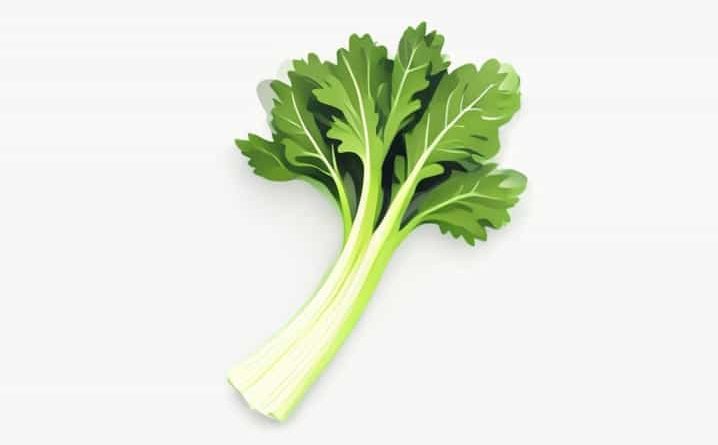
How Many Calories In A Stalk Of Celery
Celery is a popular vegetable known for its crisp texture, refreshing taste, and low-calorie content. Many people incorporate celery into their diets as a healthy snack, in salads, or as part of weight-loss plans. One common question that arises among health-conscious individuals is how many calories are in a stalk of celery. Understanding the caloric content of celery is important for those tracking their food intake, maintaining a balanced diet, or managing their weight. Despite being low in calories, celery also offers vitamins, minerals, and fiber, making it a nutritious choice for a wide range of diets.
Caloric Content of Celery
A single stalk of celery is remarkably low in calories. On average, a medium-sized stalk of celery contains approximately 6 to 10 calories. The exact number can vary depending on the size and thickness of the stalk, as well as the specific variety of celery. This low-calorie content is one reason celery has become associated with weight management and healthy snacking. People can enjoy several stalks of celery without consuming a significant number of calories, making it a staple in many diet plans.
Factors Affecting Calorie Count
Several factors can influence the caloric content of a celery stalk
- Size and length Longer and thicker stalks contain slightly more calories.
- Variety Some celery varieties have slightly different water and sugar content, affecting calories.
- Preparation Adding dips, dressings, or peanut butter increases the calorie content.
For someone consuming plain celery, the calorie contribution remains extremely low, allowing it to fit easily into a calorie-controlled diet.
Nutritional Benefits of Celery
Besides being low in calories, celery is rich in other nutrients. It contains vitamins such as vitamin K, vitamin C, and small amounts of vitamin A. Celery is also a source of potassium, folate, and dietary fiber. These nutrients contribute to overall health, support digestion, and help maintain fluid balance. Celery’s high water content, around 95%, adds to its low-calorie profile and helps with hydration, making it a refreshing snack option during the day.
Fiber and Digestion
Even though celery is low in calories, it provides dietary fiber, which promotes healthy digestion and can aid in feeling full. One medium stalk contains about 1 gram of fiber, which may seem small, but when combined with other fiber-rich foods, it supports overall digestive health. Fiber slows down the absorption of sugar, helps maintain steady blood sugar levels, and can assist in weight management by promoting satiety.
Hydration and Satiety
Celery’s high water content contributes to hydration and can help reduce hunger cravings. Eating celery before or during meals can provide a sense of fullness, potentially leading to reduced calorie intake throughout the day. This hydrating and filling effect is one of the reasons celery is often recommended as a snack for those looking to lose or maintain weight.
Celery in a Balanced Diet
Including celery in a balanced diet can provide both low-calorie satisfaction and essential nutrients. It can be eaten raw as a snack, added to salads, soups, or smoothies, or used as a crunchy component in various dishes. Because it is low in calories, celery pairs well with protein-rich foods like hummus, nut butter, or cheese, which increases the overall satiety and nutritional value of a snack.
Using Celery for Weight Management
Celery’s low-calorie profile makes it ideal for weight-conscious individuals. A diet rich in vegetables like celery allows people to consume larger volumes of food without a high caloric load. This can lead to reduced overall calorie intake while still providing essential nutrients. Including celery in meals and snacks supports weight management efforts by promoting fullness and reducing the tendency to overeat higher-calorie foods.
Creative Ways to Incorporate Celery
- Raw celery sticks with hummus or yogurt dip for a filling snack
- Chopped celery in salads for added crunch and fiber
- Celery in soups or stews to enhance flavor and volume without increasing calories significantly
- Juicing or blending celery with other low-calorie vegetables for a hydrating beverage
- Using celery as a base for stir-fries or vegetable medleys
Calorie Comparisons
To better understand celery’s low-calorie advantage, it helps to compare it to other common snack options. A single medium stalk of celery has about 6-10 calories. By comparison
- A medium apple contains roughly 95 calories
- A slice of bread contains about 70-80 calories
- A tablespoon of peanut butter contains around 90-95 calories
This comparison highlights how celery allows people to snack or bulk up meals without adding a significant calorie load, making it ideal for those tracking daily caloric intake.
Considerations When Consuming Celery
While celery is very low in calories on its own, the way it is prepared or served can significantly affect its caloric content. Pairing celery with high-calorie dips, spreads, or toppings can turn a low-calorie snack into a higher-calorie option. For example, peanut butter, cream cheese, or ranch dressing adds calories quickly, so moderation is key for those aiming to maintain a low-calorie diet.
Other Health Benefits
In addition to its low-calorie content, celery offers other health benefits. Its antioxidants, such as flavonoids and vitamin C, help reduce inflammation and support immune health. Celery may also support heart health by providing potassium and other minerals that help regulate blood pressure. The combination of low calories, fiber, hydration, and essential nutrients makes celery a valuable addition to a healthy lifestyle.
Celery and Hydration
The high water content in celery makes it particularly effective for hydration. Eating celery as part of meals or snacks helps contribute to overall daily water intake. Staying hydrated is essential for metabolic processes, skin health, and maintaining energy levels throughout the day.
Celery as Part of Detox Diets
Celery is sometimes featured in detox diets or cleanses due to its low calorie, high water, and fiber content. While celery alone is not a magic detox food, incorporating it into a diet with other fruits and vegetables can support digestion and overall health. Its minimal caloric contribution allows for larger servings that help people feel satisfied without over-consuming calories.
Understanding how many calories are in a stalk of celery highlights its value as a healthy, low-calorie vegetable. With just 6-10 calories per medium stalk, celery can be enjoyed in large quantities without significantly impacting daily calorie intake. Beyond its low-calorie content, celery provides fiber, vitamins, minerals, and hydration, making it a nutritious addition to any diet. Whether eaten raw, incorporated into salads, soups, or snacks, celery is a versatile food that supports weight management, digestive health, and overall well-being. By keeping in mind how preparation and pairings affect calorie content, individuals can maximize the health benefits of celery while maintaining a balanced and satisfying diet.