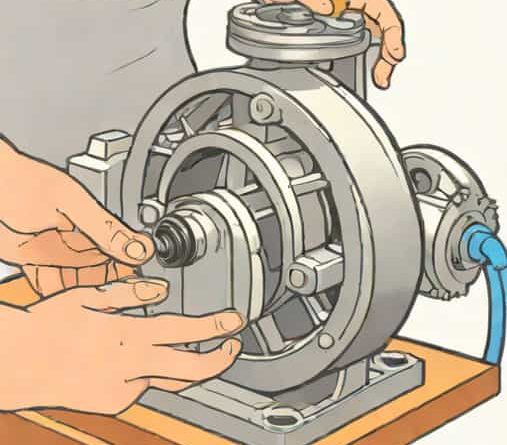
How To Remove Impeller From Water Pump
Removing the impeller from a water pump is a critical maintenance task that ensures the pump operates efficiently and prevents mechanical failure. Whether you are working on a car cooling system, an industrial water pump, or a small utility pump, understanding how to safely and effectively remove the impeller is essential. The impeller is the rotating component responsible for moving water through the pump, and over time it can become worn, corroded, or clogged. Performing the removal correctly prevents damage to the pump housing and ensures that replacement or inspection can be carried out smoothly. This guide provides detailed steps, tools required, and safety precautions for removing an impeller from a water pump.
Understanding the Impeller and Water Pump
The impeller is a key component of any water pump. It is typically made of metal, plastic, or composite materials and features curved blades that propel water through the pump. Over time, impellers can experience wear and tear, corrosion, or blockage due to debris. Recognizing the structure and function of the impeller is important before attempting removal, as improper handling can damage the pump housing or the impeller itself.
Types of Water Pumps
- Automotive Water Pumps – Used in car cooling systems to circulate coolant.
- Industrial Water Pumps – Heavy-duty pumps used in factories, power plants, or irrigation.
- Utility and Marine Pumps – Small pumps for aquariums, ponds, or boats.
Tools and Materials Required
Before starting, gather the necessary tools to make the process efficient and safe. Having the right equipment reduces the risk of damaging the impeller or pump housing.
Essential Tools
- Socket set and wrenches – for removing bolts and fasteners
- Screwdrivers – flathead or Phillips for any clips or covers
- Pliers – for removing retaining clips or clamps
- Rubber mallet – to gently tap the impeller if it is stuck
- Penetrating oil or lubricant – to loosen corroded parts
- Puller tool – optional, for impellers tightly fitted on shafts
Safety Precautions
Safety is crucial when working with water pumps, especially in automotive or industrial applications. Follow these precautions
- Ensure the pump system is completely turned off and depressurized before disassembly.
- Wear gloves to protect your hands from sharp edges and contaminants.
- Use eye protection to prevent injury from debris or splashing fluids.
- Drain all fluids from the pump housing to avoid spills or accidents.
- Work on a clean, stable surface to prevent dropping or damaging components.
Step-by-Step Guide to Removing the Impeller
Removing the impeller involves careful disassembly of the water pump to access the rotating component. The process varies slightly depending on the type of pump but follows general principles.
Step 1 Drain the Pump System
Begin by draining water, coolant, or other fluids from the pump system. For automotive pumps, open the radiator or drain plug. For industrial or utility pumps, open the inlet and outlet valves. Proper drainage prevents mess and allows safe access to the impeller.
Step 2 Remove the Pump Housing
Using the appropriate socket or wrench, remove bolts or fasteners securing the pump housing. Carefully detach the housing to expose the impeller. Take note of the orientation and placement of gaskets or seals for reassembly.
Step 3 Inspect the Impeller for Retaining Clips
Many impellers are secured with a clip, nut, or pin on the shaft. Use pliers or a screwdriver to remove any retaining devices. Take care not to bend or damage these components, as they may be reused during reassembly.
Step 4 Loosen the Impeller
If the impeller is stuck due to corrosion or sediment buildup, apply a small amount of penetrating oil to the shaft. Allow the lubricant to penetrate for several minutes. Gently tap the impeller with a rubber mallet to loosen it, taking care not to damage the blades or pump housing.
Step 5 Remove the Impeller
Once the impeller is loose, carefully slide it off the shaft. In some cases, a puller tool may be required if the impeller is tightly fitted. Ensure the impeller is removed evenly to avoid bending the shaft or housing.
Cleaning and Inspection
After removing the impeller, inspect it for damage such as cracks, worn blades, or corrosion. Also, check the pump housing and shaft for signs of wear. Cleaning the components with a soft brush and mild solvent ensures that debris does not interfere with the reinstallation or cause premature wear.
Signs of Damage
- Cracked or chipped impeller blades
- Excessive corrosion or rust on the impeller or shaft
- Worn or deformed shaft or bearing surfaces
- Damaged gaskets or seals
Reinstallation Considerations
When reinstalling a new or cleaned impeller, ensure proper alignment with the shaft and housing. Replace any worn gaskets or seals to prevent leaks. Tighten retaining clips, nuts, or pins securely without over-torquing, which could damage components. Finally, reattach the pump housing and refill the system with the appropriate fluid.
Testing After Reinstallation
Before full operation, run a brief test to ensure the pump operates smoothly without unusual noise or vibration. Check for leaks around the housing and seals. Proper testing ensures the impeller is correctly installed and prevents early failure.
Tips for a Smooth Removal Process
- Take photographs of the assembly before disassembly to reference during reinstallation.
- Label bolts, clips, and parts to avoid confusion during reassembly.
- Use penetrating oil generously if the impeller shows signs of corrosion.
- Work patiently and avoid using excessive force to prevent damage.
- Consult the pump manual for manufacturer-specific instructions and torque specifications.
Removing an impeller from a water pump is a task that requires patience, the right tools, and careful attention to detail. Proper removal ensures that the pump can be maintained, repaired, or upgraded without causing damage to critical components. By following the step-by-step process, observing safety precautions, and inspecting components thoroughly, both professional mechanics and DIY enthusiasts can handle impeller removal effectively. Regular maintenance and timely replacement of the impeller prolong the life of the water pump and ensure efficient operation, whether in automotive, industrial, or utility applications.