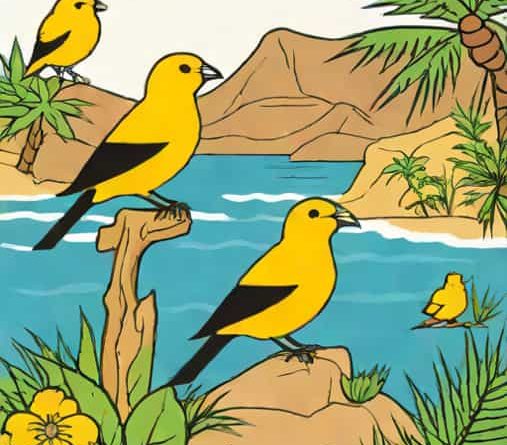
Is There Canaries In The Canary Islands
The Canary Islands are a group of Spanish islands located off the northwest coast of Africa, known for their volcanic landscapes, subtropical climate, and stunning beaches. Many people are curious about the origin of the name Canary Islands and whether it has anything to do with the small, colorful birds called canaries. This question arises frequently because the word canary in English refers to a species of songbird, but the islands’ name has a more complex and historical origin. Understanding the relationship between the islands and the birds requires a look at history, etymology, and the natural fauna of the region.
The Etymology of the Canary Islands
The name Canary Islands does not originally refer to the birds we know today as canaries. The word is derived from the Latin term Canariae Insulae, which means Islands of the Dogs. Ancient Roman writers, including Pliny the Elder, documented that the islands were inhabited by large dogs or that the islands were associated with dogs in some way. Some historical accounts suggest that these dogs were kept by the indigenous peoples of the islands or were abundant in the area. Over time, the name Canaria became associated with the islands themselves rather than the animals.
Introduction of Canaries (Birds) to the World
The birds known as canaries, or Serinus canaria, are indeed native to the Canary Islands, as well as the neighboring Madeira and Azores archipelagos. These small songbirds are highly valued for their melodic singing and bright yellow feathers. While the islands were named for dogs, they also happen to be the natural habitat for these birds, which is a coincidence that has led to confusion in modern times. Spanish settlers and traders discovered the birds and eventually began exporting them to Europe, where they became extremely popular in the 17th and 18th centuries.
Natural Habitat of Canaries
Canaries are native to the Canary Islands’ unique ecosystem. The islands’ volcanic origin, varied microclimates, and subtropical vegetation create ideal conditions for the birds. Canaries typically inhabit the forested and scrub areas, where they can find seeds and insects for sustenance. They are small, agile birds that breed successfully in the wild, which helped establish a stable population both on the islands and abroad. Today, these birds can still be found in the wild across several islands, including Tenerife, Gran Canaria, and La Palma.
Characteristics of Canary Birds
- Size and AppearanceCanaries are small, averaging about 12 to 13 centimeters in length. Their bright yellow plumage is the most recognizable feature, though wild canaries can also display greenish or brownish feathers.
- SongMale canaries are known for their melodious and complex singing, which has made them popular as cage birds worldwide.
- DietIn the wild, canaries feed primarily on seeds, fruits, and small insects. Their diet contributes to their vibrant plumage and health.
- BreedingCanaries breed multiple times per year in favorable conditions, and their nesting habits are well-adapted to the islands’ environment.
Human Interaction and Domestication
Although the Canary Islands are home to wild canaries, humans have played a major role in spreading and domesticating these birds. Spanish traders in the 16th century began capturing canaries and transporting them to Europe. Over time, selective breeding produced birds with enhanced singing ability and more vivid coloration. Today, domestic canaries are common pets worldwide, but they still trace their lineage back to the wild populations in the Canary Islands.
Conservation of Wild Canaries
Despite their popularity as pets, wild canaries remain an important part of the Canary Islands’ ecosystem. Conservation efforts focus on protecting their natural habitats from urban development, invasive species, and climate change. Maintaining wild populations is essential for ecological balance, as these birds contribute to seed dispersal and insect population control. Tourists visiting the islands can observe canaries in national parks and nature reserves, offering a glimpse of these birds in their natural environment.
Tourism and Cultural Significance
The canary bird has become a symbol of the Canary Islands. Visitors to the islands often encounter imagery of canaries in souvenirs, art, and local folklore. Birdwatching tours are also popular, allowing tourists to observe canaries and other native species in their natural habitats. The presence of the canary in both the natural and cultural landscape of the islands highlights the unique connection between wildlife and human history.
Myths and Misconceptions
Many people mistakenly believe that the Canary Islands were named after the birds. In reality, the birds were named after the islands, reflecting the historical development of European language and trade. Understanding this distinction provides insight into how human perception, language, and natural history intersect. It also underscores the importance of distinguishing between etymology and contemporary associations when studying geographical names.
Summary of the Relationship Between Canaries and the Islands
In summary, the Canary Islands are home to the bird species known as canaries, but the islands themselves were not named after the birds. Instead, the name Canary Islands originates from a Latin term referencing dogs. Over time, the islands became known worldwide, and the birds were exported to Europe, becoming popular as pets. The natural habitats of the canaries remain in the islands, making it possible for visitors to see these birds in the wild, while domesticated canaries thrive globally. This unique connection between the islands and the birds adds to the Canary Islands’ allure as a destination rich in natural beauty and history.
- The Canary Islands are named after dogs, not birds.
- Canaries (Serinus canaria) are native to the Canary Islands and surrounding archipelagos.
- Wild canaries inhabit forested and scrub areas, feeding on seeds and insects.
- Humans have domesticated canaries for centuries, spreading them worldwide.
- The bird has become a cultural symbol of the Canary Islands, contributing to tourism and local identity.
Overall, the Canary Islands are indeed home to canaries, both in the wild and through their cultural significance, but the origin of the islands’ name predates the association with the birds. Visitors to the islands can enjoy observing these vibrant songbirds in natural settings, learning about their role in the ecosystem, and appreciating the historical and linguistic story behind the islands’ famous name. The presence of canaries in the Canary Islands serves as a fascinating example of how wildlife and human history intertwine in shaping the identity of a region.