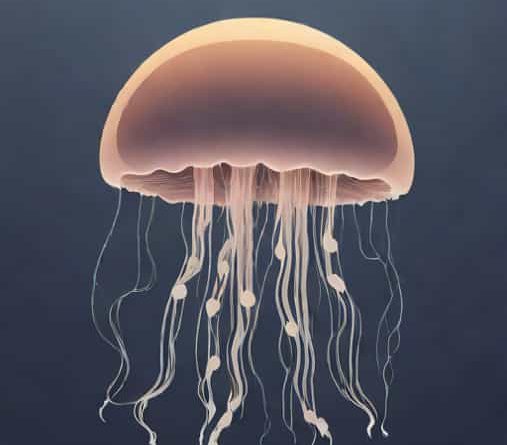
Jellyfish That Live In The Abyssal Zone
The abyssal zone of the ocean is one of the most mysterious and extreme environments on Earth. Stretching from 4,000 to 6,000 meters below the ocean surface, this region is characterized by near-freezing temperatures, immense pressure, and complete darkness. Despite these harsh conditions, a surprising array of life thrives in the abyss, including unique species of jellyfish. These deep-sea jellyfish exhibit fascinating adaptations that allow them to survive where few other organisms can. Studying them provides insight into the resilience of life, the complexities of deep-sea ecosystems, and the incredible diversity of marine biology.
Understanding the Abyssal Zone
The abyssal zone is one of the deepest layers of the ocean, far below the reach of sunlight. Temperatures typically hover around 2 to 3 degrees Celsius, and water pressure can exceed 400 times the pressure at sea level. Food is scarce, primarily coming from marine snow-organic material falling from upper ocean layers-or occasional carcasses of larger animals. Organisms in this zone have evolved unique adaptations to survive in such an extreme and energy-limited environment.
Environmental Challenges
Living in the abyssal zone presents significant challenges for jellyfish and other deep-sea creatures
- High PressureOrganisms must withstand pressures that would crush surface-dwelling animals.
- Low TemperatureMetabolic processes are slowed by near-freezing waters.
- Lack of LightComplete darkness necessitates alternative strategies for hunting, communication, and predator avoidance.
- Scarce FoodLimited nutrition requires efficient energy usage and specialized feeding mechanisms.
These challenges have driven the evolution of remarkable adaptations among abyssal jellyfish, enabling them to occupy ecological niches inaccessible to most other animals.
Species of Abyssal Jellyfish
Several species of jellyfish inhabit the abyssal zone, ranging from small, transparent forms to larger, bioluminescent types. These species have evolved features that optimize survival in deep, dark waters.
Deepstaria enigmatica
Deepstaria enigmatica is a large, rarely seen jellyfish found in deep-sea environments, including abyssal depths. It has an expansive, thin bell that can grow up to two meters across, resembling a delicate sheet rather than the more familiar dome-shaped jellyfish. This structure allows it to float slowly and capture small organisms efficiently. Its large, net-like bell facilitates passive feeding by entrapping plankton and other organic material drifting through the water.
Atolla jellyfish (Atolla wyvillei)
The Atolla jellyfish is a small, deep-sea species known for its vibrant bioluminescence. It possesses a deep red bell with long tentacles and a unique flashing light display, which may serve multiple purposes such as attracting prey, deterring predators, or signaling to other Atolla jellyfish. Found in abyssal waters around the world, this species demonstrates how light production has evolved as a critical survival strategy in the darkness of the deep ocean.
Other Abyssal Scyphozoans
Beyond Deepstaria and Atolla, several other scyphozoan jellyfish inhabit abyssal depths. These include species adapted to slow, energy-efficient movement, with gelatinous bodies that reduce metabolic demands and transparent tissues that render them nearly invisible to predators. Many of these jellyfish rely on passive feeding strategies, capturing organic ptopics or smaller organisms carried by deep-sea currents.
Adaptations of Abyssal Jellyfish
Surviving in the abyssal zone requires extraordinary physiological and behavioral adaptations. Jellyfish in these depths have evolved specialized features that enable them to thrive under extreme pressure, cold temperatures, and total darkness.
Bioluminescence
Bioluminescence is a common adaptation among abyssal jellyfish. By producing light through chemical reactions within their bodies, jellyfish can attract prey, communicate, or confuse predators. In species like Atolla wyvillei, bioluminescent flashes can startle predators, giving the jellyfish time to escape. This adaptation is essential in a world devoid of sunlight.
Gelatinous Body Structure
Abyssal jellyfish typically have soft, gelatinous bodies that are highly flexible and resilient to pressure. Their low-density composition allows them to float efficiently in water without expending much energy. This is critical in an environment where food is scarce and conserving energy is vital for survival.
Slow Metabolism and Energy Efficiency
The limited availability of food in the abyssal zone has led jellyfish to develop slow metabolisms. Many species can survive long periods without eating, relying on minimal energy expenditure and passive feeding strategies. Their ability to capture drifting prey or detritus allows them to survive in nutrient-poor waters, demonstrating remarkable adaptation to extreme scarcity.
Transparency and Camouflage
Transparency is another key adaptation that helps abyssal jellyfish avoid predation. By being nearly invisible in the dark waters, jellyfish reduce the risk of being eaten by deep-sea predators. This form of camouflage, combined with bioluminescent displays, allows them to navigate the abyssal environment with reduced threats.
Ecological Role of Abyssal Jellyfish
Jellyfish in the abyssal zone play an important role in the deep-sea ecosystem. They act as both predators and prey, forming part of a complex food web that sustains life in extreme conditions.
Predation
Abyssal jellyfish feed on plankton, small fish, and organic detritus that drift down from upper ocean layers. By consuming these materials, jellyfish help recycle nutrients and maintain ecological balance. Their passive feeding strategies allow them to capture prey efficiently in a low-energy environment.
Prey for Deep-Sea Predators
Despite their adaptations, abyssal jellyfish are prey for other deep-sea creatures such as fish, cephalopods, and larger jellyfish. Their position in the food web highlights their ecological importance and demonstrates the interconnectedness of life in the deep ocean.
Challenges in Studying Abyssal Jellyfish
Researching jellyfish in the abyssal zone is extremely challenging due to the depth, pressure, and remoteness of their habitat. Most studies rely on deep-sea submersibles, remotely operated vehicles (ROVs), or advanced imaging technology to observe these organisms in their natural environment. Limited encounters with abyssal jellyfish mean that many species remain poorly understood, and new discoveries continue to expand our knowledge of deep-sea biodiversity.
Technological Advances
Recent advances in deep-sea exploration, such as high-definition cameras, pressure-resistant sampling equipment, and autonomous underwater vehicles, have enabled scientists to observe and document abyssal jellyfish more effectively. These tools allow researchers to study behavior, reproduction, and ecological interactions, shedding light on one of the least understood regions of the ocean.
Jellyfish that inhabit the abyssal zone are remarkable examples of adaptation and survival in one of Earth’s most extreme environments. Species such as Deepstaria enigmatica and Atolla wyvillei showcase specialized traits including bioluminescence, gelatinous bodies, slow metabolism, and transparency, all of which allow them to thrive under intense pressure, low temperatures, and complete darkness. These organisms play vital roles in deep-sea food webs, acting as both predators and prey. While the study of abyssal jellyfish is challenging, advances in deep-sea exploration continue to reveal their mysteries and highlight the incredible diversity of life in the ocean’s depths. Understanding these jellyfish not only enriches our knowledge of marine biology but also underscores the resilience and adaptability of life in extreme conditions.