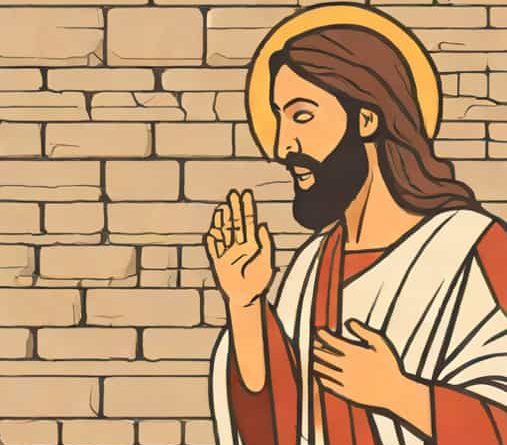
Jesus Broke Down The Wall Of Hostility
The phrase Jesus broke down the wall of hostility carries deep meaning for many Christians and has continued to shape theological reflection, personal faith, and community life for centuries. It speaks to the idea that through Jesus, divisions that once separated people were confronted and overcome. These divisions were not only spiritual but also social, cultural, and emotional. To understand this message fully, it is important to explore its historical background, biblical context, and relevance for everyday life in a divided world.
The Biblical Origin of the Wall of Hostility
The idea that Jesus broke down the wall of hostility comes from the New Testament, particularly from the Apostle Paul’s letter to the Ephesians. Paul used this phrase to describe how Jesus reconciled Jews and Gentiles, two groups that had long-standing religious and cultural separation. The wall symbolized laws, traditions, and attitudes that created distance and suspicion.
In the ancient world, these divisions were deeply rooted. Jewish identity was shaped by covenant laws, while Gentiles were often seen as outsiders. This separation went beyond theology and influenced daily interactions, social status, and even access to worship spaces.
Understanding the Historical Context
To grasp the meaning of Jesus breaking down the wall of hostility, it helps to look at the physical and symbolic walls that existed in biblical times. In the Jerusalem temple, there was an actual barrier that prevented Gentiles from entering certain areas. Signs warned that crossing this boundary could result in death.
This physical wall represented a broader spiritual and cultural separation. It reinforced the idea that some people were closer to God than others. When Paul spoke of Jesus breaking down this wall, he was addressing both the literal and symbolic barriers that defined religious life at the time.
Jesus as a Peacemaker
Central to the message that Jesus broke down the wall of hostility is the role of Jesus as a peacemaker. Throughout the Gospels, Jesus consistently reached out to those considered outsiders, including Samaritans, tax collectors, and Gentiles. His actions challenged social norms and religious boundaries.
Rather than reinforcing divisions, Jesus emphasized love, mercy, and humility. He taught that reconciliation begins in the heart and extends outward into relationships. This approach laid the foundation for a new understanding of community and belonging.
The Meaning of Reconciliation
Reconciliation is a key theme in understanding how Jesus broke down the wall of hostility. In Christian theology, reconciliation refers to the restoration of broken relationships, both between humanity and God and among people themselves.
According to this perspective, Jesus’ death and resurrection addressed the root causes of division, such as sin, pride, and fear. By dealing with these deeper issues, Jesus made it possible for people from different backgrounds to come together as equals.
Breaking Down Social and Cultural Barriers
The message that Jesus broke down the wall of hostility extends beyond religious differences. It also speaks to social and cultural divisions that continue to affect societies today. Issues such as race, ethnicity, class, and nationality often create invisible walls that separate people.
The example of Jesus challenges believers to question these divisions and work toward unity. This does not mean ignoring differences, but rather choosing understanding and compassion over hostility and exclusion.
Unity Without Erasing Identity
An important aspect of the message is that unity does not require the loss of individual identity. When Jesus broke down the wall of hostility, he did not erase cultural backgrounds or personal histories. Instead, he created a space where diversity could exist within a shared commitment to love and peace.
This idea is especially relevant in multicultural communities. It encourages people to honor their differences while recognizing their shared humanity and spiritual value.
The Role of the Church
The early Christian church was one of the first places where the idea that Jesus broke down the wall of hostility was put into practice. Jewish and Gentile believers gathered together, shared meals, and worshiped as one community. This was a radical concept in a society defined by strict boundaries.
Today, churches continue to wrestle with this calling. They are challenged to be places of welcome, reconciliation, and justice. When churches reflect the inclusive message of Jesus, they serve as living examples of walls being torn down.
Personal Transformation and Inner Walls
While the phrase often refers to social and spiritual divisions, it also has personal meaning. Many people carry inner walls built from past hurts, fear, resentment, or prejudice. These internal barriers can prevent genuine connection with others.
The belief that Jesus broke down the wall of hostility offers hope for personal healing. It suggests that change is possible, and that forgiveness and reconciliation can replace anger and separation.
Practical Implications for Daily Life
Living out the truth that Jesus broke down the wall of hostility involves practical choices. It means listening before judging, seeking understanding rather than conflict, and extending grace even when it is difficult.
In families, workplaces, and communities, this message encourages peaceful communication and mutual respect. Small acts of kindness and openness can begin to dismantle walls that have existed for years.
Challenges in a Divided World
Despite the powerful message of reconciliation, the world remains deeply divided. Political polarization, religious conflict, and social inequality continue to create hostility. This reality makes the message of Jesus even more relevant and challenging.
Following the example of Jesus requires courage and patience. Breaking down walls is often uncomfortable and slow, but it remains central to the Christian vision of peace and unity.
Hope for the Future
The belief that Jesus broke down the wall of hostility offers hope that division is not the final word. It points toward a future where reconciliation is possible, even in the most difficult circumstances.
This hope is not based on human effort alone, but on the transformative power attributed to Jesus’ life and teachings. For many believers, it serves as motivation to continue working toward a more just and compassionate world.
The statement that Jesus broke down the wall of hostility captures a core message of Christian faith reconciliation over division, love over fear, and unity over exclusion. Rooted in historical reality and spiritual belief, it continues to inspire individuals and communities.
By reflecting on this message and applying it to modern life, people are invited to examine the walls they encounter and contribute to their removal. In doing so, the vision of peace and reconciliation becomes not just a belief, but a lived experience.