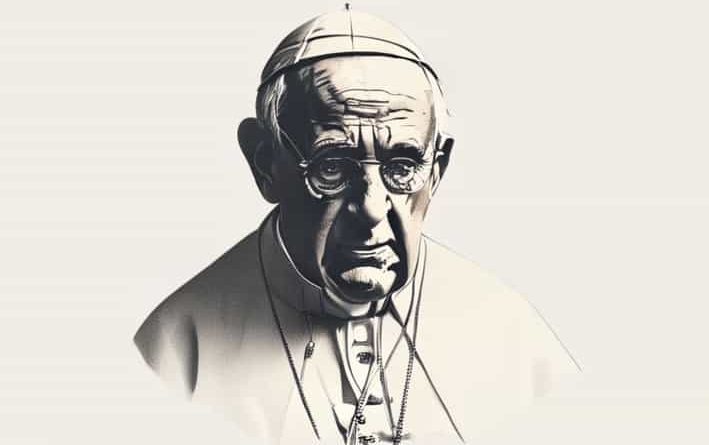
John Paul Ii Encyclical On Divine Mercy
The encyclical on Divine Mercy issued by Pope John Paul II stands as one of the most meaningful spiritual teachings of the modern Catholic Church. Written in a time marked by political tension, social change, and moral uncertainty, the document speaks to the human longing for compassion, forgiveness, and hope. Rather than presenting mercy as an abstract idea, the encyclical explains it as a living force that shapes relationships between God and humanity, and among people themselves. For many readers, this text offers guidance that feels both deeply theological and surprisingly practical.
Historical Context of John Paul II’s Encyclical
Pope John Paul II released the encyclicalDives in Misericordiain 1980, early in his papacy. The world at that time was still shaped by the Cold War, economic inequality, and the lingering wounds of the twentieth century’s major conflicts. Having lived through Nazi occupation and Communist rule in Poland, John Paul II brought personal experience of suffering into his papal teaching.
This background strongly influenced his focus on Divine Mercy. He saw mercy not as weakness, but as a powerful response to injustice, violence, and despair. The encyclical reflects his conviction that without mercy, societies risk losing their moral foundation.
The Meaning of Divine Mercy
At the heart of the encyclical is a clear explanation of what Divine Mercy means in Christian theology. Mercy is described as God’s loving response to human weakness and sin. It does not deny justice, but goes beyond it by restoring dignity and offering reconciliation.
John Paul II emphasizes that mercy flows from love. God’s mercy is not distant or conditional, but personal and active. This idea challenges readers to rethink how they understand forgiveness, especially in a world that often values punishment over healing.
Key characteristics of Divine Mercy
- It arises from unconditional love.
- It seeks restoration, not revenge.
- It respects human dignity.
- It invites personal conversion.
Scriptural Foundations of the Encyclical
The encyclical on Divine Mercy is deeply rooted in Scripture. Pope John Paul II frequently refers to passages from both the Old and New Testaments to show that mercy has always been central to God’s relationship with humanity. Stories such as the Prodigal Son and the Good Samaritan are used to illustrate mercy in action.
Through these examples, the encyclical presents mercy as something visible and concrete. It is shown through acts of compassion, patience, and forgiveness, rather than only through words or emotions.
Jesus Christ as the Face of Mercy
A major theme in the encyclical is the role of Jesus Christ as the fullest expression of Divine Mercy. According to John Paul II, Christ’s life, death, and resurrection reveal the depth of God’s merciful love. The cross is presented not merely as a symbol of suffering, but as a sign of mercy offered to all humanity.
This perspective encourages believers to see mercy as central to Christian identity. To follow Christ means to reflect mercy in one’s own actions and choices, especially toward those who are weak or marginalized.
Mercy and Justice in Balance
One of the most thoughtful sections of the encyclical explores the relationship between mercy and justice. John Paul II explains that justice alone is not enough to heal human relationships. While justice seeks fairness and order, mercy brings compassion and understanding.
The encyclical warns that societies focused only on strict justice may become cold and unforgiving. Mercy, on the other hand, allows justice to be fulfilled in a more humane way. This message remains relevant in modern debates about law, punishment, and social responsibility.
Human Experience and the Need for Mercy
John Paul II connects Divine Mercy directly to everyday human experience. He acknowledges fear, guilt, and suffering as universal realities. The encyclical suggests that mercy offers a path toward inner peace and renewed relationships.
This teaching resonates with people beyond religious boundaries, as it addresses common emotional struggles. By emphasizing empathy and understanding, the encyclical presents mercy as a force that can transform personal and social life.
Social and Global Implications
The encyclical on Divine Mercy also extends its message to the global level. John Paul II calls on nations and institutions to practice mercy through solidarity, respect for human rights, and care for the poor. He argues that peace cannot exist without mercy.
This broader vision challenges political and economic systems that prioritize power over people. Mercy is presented as a necessary principle for building a more just and compassionate world.
Areas where mercy is especially needed
- Conflict resolution and peacebuilding.
- Economic inequality and poverty.
- Care for refugees and displaced persons.
- Healing historical and cultural divisions.
Connection to the Divine Mercy Devotion
Although the encyclical is a theological document, it is closely connected to the Divine Mercy devotion later promoted strongly by John Paul II. His canonization of Saint Faustina Kowalska and the establishment of Divine Mercy Sunday reflected the same message found in the encyclical.
These actions helped bring the theology of mercy into popular religious practice. They encouraged believers to see mercy not only as an idea to study, but as a devotion to live out daily.
Lasting Influence of the Encyclical
Decades after its publication, the encyclical on Divine Mercy continues to influence Church teaching and spiritual reflection. It has shaped discussions on forgiveness, reconciliation, and moral responsibility. Many theologians see it as a foundation for later papal writings focused on human dignity and compassion.
Its enduring relevance lies in its honest view of human brokenness paired with profound hope. The encyclical does not ignore suffering, but responds to it with a message of love and mercy.
The John Paul II encyclical on Divine Mercy offers a powerful vision of faith grounded in compassion and understanding. By presenting mercy as the heart of the Christian message, it speaks to the deepest needs of individuals and societies alike. Its reflections on love, justice, and forgiveness continue to inspire readers seeking meaning in a complex world. Far from being limited to theology, the encyclical invites everyone to consider how mercy can shape a more humane and hopeful future.