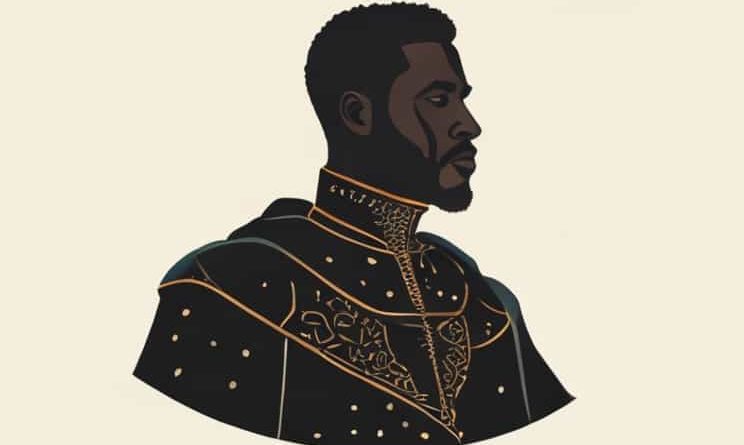
Julian Story The Black Prince At Crecy
Julian Story The Black Prince at Crecy is an engaging historical narrative that immerses readers in one of the most significant battles of the Hundred Years’ War. The story follows Julian, a fictional character who provides a personal perspective on the military campaigns led by Edward, the Black Prince, particularly during the Battle of Crecy in 1346. The narrative blends historical fact with imaginative storytelling, allowing readers to experience the intensity, strategy, and human emotion involved in medieval warfare. By focusing on both the heroics of the Black Prince and the personal journey of Julian, the story provides a unique lens through which the events of Crecy are explored, making history accessible and compelling for audiences of all ages.
Historical Context of the Battle of Crecy
The Battle of Crecy, fought in 1346, was a pivotal moment in the Hundred Years’ War between England and France. Edward, the Black Prince, son of King Edward III, led the English forces to a decisive victory against a much larger French army. The battle is renowned for the effective use of the longbow, which gave English archers a significant advantage and contributed to a major shift in medieval warfare tactics. Understanding the historical backdrop of Crecy helps readers appreciate the stakes and significance of the events depicted in Julian’s story.
Key Historical Facts
- The battle took place on August 26, 1346, near Crecy in northern France.
- The English army was outnumbered but strategically positioned.
- The longbow played a crucial role in the English victory.
- Edward, the Black Prince, demonstrated tactical brilliance and leadership at a young age.
- The victory at Crecy solidified English dominance in the early stages of the Hundred Years’ War.
Plot Overview of Julian Story
The story follows Julian, a young squire who serves under the Black Prince. Through Julian’s eyes, readers witness the preparations, the chaos of battle, and the human cost of medieval warfare. Julian’s perspective adds depth to the historical events, emphasizing the personal experiences of those who fought, their fears, bravery, and the bonds formed between soldiers. The narrative balances action-packed sequences with reflective moments, highlighting both the strategic genius of the Black Prince and the individual struggles of those around him.
Main Characters
- JulianThe protagonist and narrator, a young squire who provides a personal perspective on the events of Crecy.
- The Black Prince (Edward of Woodstock)A skilled and charismatic leader whose tactics and courage inspire his troops.
- Supporting Soldiers and NoblesVarious historical and fictional characters who contribute to the richness of the narrative.
The Role of the Black Prince
Edward, known as the Black Prince, is central to both history and the narrative of Julian’s story. He is depicted as a courageous and intelligent leader who commands respect from his troops and instills confidence even in the face of overwhelming odds. The story portrays his tactical decisions, such as the use of longbowmen and strategic positioning on the battlefield, which were instrumental in the English victory. Through Julian’s eyes, readers also see the Black Prince’s concern for his men and his capacity for leadership under pressure.
Significance of Leadership
- Exemplifies medieval chivalric values, including honor, loyalty, and bravery.
- Demonstrates the importance of tactical planning and innovation in battle.
- Inspires both historical soldiers and fictional characters like Julian to rise to challenges.
- Represents the human side of leadership amidst the brutality of warfare.
Depiction of Medieval Warfare
Julian Story The Black Prince at Crecy vividly illustrates the realities of medieval warfare. Readers encounter detailed descriptions of armor, weaponry, battlefield formations, and the psychological intensity of combat. The story highlights the strategic use of terrain, the coordination between archers and infantry, and the unpredictable nature of battle. These elements not only enhance the realism of the narrative but also provide educational value for readers interested in history, military tactics, and the social dynamics of medieval armies.
Key Elements of Battle Portrayal
- Use of the longbow and its impact on the outcome of the battle.
- Descriptions of battlefield formations, including defensive positions and flanking maneuvers.
- Human experiences, such as fear, courage, and camaraderie among soldiers.
- The logistical challenges of feeding, equipping, and moving large armies.
The Personal Journey of Julian
Julian’s character arc is central to the narrative. As a young squire, he faces challenges that test his courage, loyalty, and intelligence. Through his experiences, readers witness the growth of an ordinary individual into a person capable of bravery and strategic thinking. Julian’s reflections on the horrors of war, the bonds he forms with fellow soldiers, and his admiration for the Black Prince provide a relatable entry point for readers to connect with historical events on a human level.
Lessons from Julian’s Experience
- The importance of resilience and adaptability in difficult situations.
- The role of mentorship and leadership in personal growth.
- Understanding the human cost of war and the value of empathy.
- Developing critical thinking and decision-making skills under pressure.
Educational and Historical Value
Beyond its entertainment value, the story serves as an educational tool. It introduces readers to the complexities of medieval history, the Hundred Years’ War, and the societal structures of the 14th century. By combining historical events with fictional storytelling, the narrative makes history accessible and engaging, encouraging readers to explore further historical sources, biographies of Edward, the Black Prince, and accounts of the Battle of Crecy.
Educational Benefits
- Enhances understanding of medieval European history and warfare.
- Encourages interest in historical research and critical thinking.
- Provides insight into leadership, strategy, and human behavior during wartime.
- Offers a narrative framework to understand cause and effect in historical events.
Julian Story The Black Prince at Crecy is both an engaging tale of adventure and a valuable historical narrative. Through the eyes of Julian, readers gain insight into the Battle of Crecy, the leadership of Edward, the Black Prince, and the realities of medieval warfare. The story successfully blends factual historical elements with fictional characters, creating a compelling and educational experience. By exploring themes of bravery, leadership, and resilience, the narrative not only entertains but also teaches important lessons about history, strategy, and the human spirit. For anyone interested in medieval history, military tactics, or personal growth under challenging circumstances, Julian’s story offers a unique and immersive journey through one of the most important battles of the Hundred Years’ War.