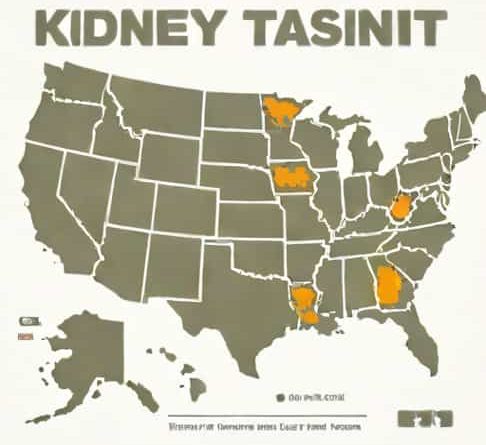
Kidney Transplant Waiting List By State
Kidney disease affects millions of people in the United States, and for those with end-stage renal disease, a kidney transplant is often the most effective treatment option. However, the demand for donor kidneys far exceeds the supply, resulting in long waiting lists across the country. Understanding the kidney transplant waiting list by state is essential for patients, families, and healthcare providers, as it provides insight into the availability of organs, regional disparities, and the urgency of transplant needs. This information also highlights the importance of organ donation and encourages individuals to consider registering as donors to save lives.
Overview of Kidney Transplant Waiting Lists
The kidney transplant waiting list is managed nationally by the United Network for Organ Sharing (UNOS) in the United States. Patients with end-stage kidney disease are evaluated for eligibility and added to the list based on medical criteria, blood type compatibility, and overall health. The waiting list is dynamic, with patients being added or removed as their health status changes or as a suitable donor becomes available. Because kidneys are in high demand, waiting times can vary significantly depending on several factors, including the state in which the patient is listed.
Factors Affecting Waiting Times by State
Several factors contribute to differences in kidney transplant waiting times across states. These include
- Population size and the prevalence of kidney disease in the state
- Number of registered organ donors
- Availability and capacity of transplant centers
- State policies and organ allocation rules
- Regional differences in matching donor organs with recipients
As a result, patients in some states may wait several years for a kidney, while others may receive a transplant in a shorter period depending on local resources and donor availability.
Kidney Transplant Waiting List by State
Examining the kidney transplant waiting list by state provides valuable insights into regional disparities and the demand for organs. States with larger populations, such as California, Texas, and Florida, tend to have the longest waiting lists due to higher numbers of patients needing transplants. In contrast, smaller states or those with higher donor registration rates may have relatively shorter lists and quicker transplant opportunities. Understanding these differences can help patients and families plan, seek second opinions, or consider listing at multiple transplant centers in different states to increase the chance of receiving a kidney.
Top States with Longest Waiting Lists
Some of the states historically known for having the longest kidney transplant waiting lists include
- California – Large population and high number of patients with kidney failure
- Texas – High incidence of diabetes and hypertension contributing to kidney disease
- Florida – Aging population with increased rates of end-stage renal disease
- New York – High demand for organs with limited donor supply
- Illinois – Dense population and significant patient volume in urban centers
These states often face challenges in balancing the number of available kidneys with the growing patient demand, emphasizing the critical need for increased organ donation awareness.
States with Shorter Waiting Lists
Some states may have shorter waiting times for kidney transplants due to smaller populations or more efficient organ allocation systems. Examples include
- North Dakota – Fewer patients on the waiting list and strong community donor participation
- Wyoming – Smaller population and less regional competition for organs
- Vermont – High organ donor registration rates and smaller patient volume
- Delaware – Limited patient demand relative to available donor organs
- Montana – Fewer transplant candidates and efficient matching processes
While these states may offer quicker transplant opportunities, patients should still evaluate medical compatibility and the availability of local transplant centers.
Importance of Organ Donation
One of the most effective ways to reduce waiting times and save lives is to increase organ donation rates. Every donor kidney can transform the life of a patient suffering from end-stage renal disease. Public awareness campaigns, education about the donation process, and easy registration options play a vital role in encouraging more people to become donors. Individuals who register as organ donors help ensure a more equitable distribution of organs and provide hope for those on long waiting lists.
Ways to Support Kidney Transplant Efforts
There are several ways individuals and communities can support kidney transplant efforts
- Registering as an organ donor through state or national programs
- Participating in public awareness campaigns about organ donation
- Encouraging family and friends to discuss organ donation decisions
- Supporting transplant research and nonprofit organizations focused on kidney health
- Volunteering at hospitals or community events to educate about kidney disease and transplantation
Regional Allocation and Transplant Policies
Kidney transplants are allocated based on medical urgency, compatibility, and time spent on the waiting list. UNOS uses a points-based system that considers blood type, tissue matching, and other health factors to ensure fair and effective distribution. However, regional allocation rules also influence waiting times by state. States that are part of larger regions may experience higher competition for organs, while smaller regions with fewer candidates may have shorter waits. Understanding these allocation policies helps patients make informed decisions about where to list for a kidney transplant.
Strategies for Patients on the Waiting List
Patients and families can take proactive steps while waiting for a kidney transplant
- Maintain regular communication with transplant centers about availability and eligibility
- Stay healthy to improve transplant outcomes
- Consider multiple transplant centers, including out-of-state options, to increase chances
- Educate themselves about the organ allocation process and waiting list updates
- Advocate for organ donation within their communities to help reduce overall waiting times
The kidney transplant waiting list by state highlights significant variations in organ availability, patient demand, and waiting times. Large states with high populations often face longer waits, while smaller states may offer quicker access to kidneys. Understanding these disparities is crucial for patients, families, and healthcare providers planning for transplantation. Increasing organ donation, supporting research, and educating communities are vital steps in addressing the challenges associated with kidney transplants. By raising awareness and taking proactive measures, individuals can contribute to saving lives and improving outcomes for those waiting for a kidney transplant across the United States.