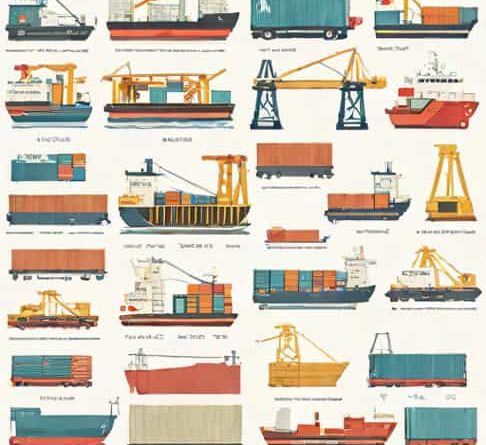
Major Transshipment Ports In The World
Major transshipment ports play a critical role in global trade, acting as central hubs where cargo is transferred from one vessel to another before reaching its final destination. These ports are strategically located to facilitate efficient movement of goods across continents, reducing shipping times and costs while improving supply chain reliability. Transshipment ports handle millions of containers annually, serving as vital nodes in the international logistics network. Understanding the major transshipment ports in the world provides insight into global trade patterns, maritime economics, and the infrastructure that supports the movement of goods in an increasingly interconnected world.
What Is a Transshipment Port?
A transshipment port is a port where cargo is transferred from one ship to another during its journey to the final destination. Unlike traditional ports that primarily serve as origin or destination points, transshipment ports focus on redistributing goods efficiently. They are equipped with advanced infrastructure such as deep-water berths, automated container terminals, and large storage facilities to handle high volumes of containers. By consolidating shipments, these ports reduce the number of direct calls needed on shipping routes, optimizing maritime transport and allowing shipping companies to operate more economically.
Importance in Global Trade
Transshipment ports are essential for global trade because they streamline shipping operations and reduce costs. Large container vessels can offload cargo in a central hub where smaller feeder ships transport goods to regional ports. This hub-and-spoke model allows shipping lines to maximize efficiency and maintain regular schedules. Major transshipment ports also contribute to regional economic development, creating jobs, stimulating infrastructure investment, and enhancing international trade competitiveness.
Key Factors for a Successful Transshipment Port
Several factors determine the success of a transshipment port. Strategic location, deep-water access, efficient container handling equipment, and connectivity with inland transportation networks are all critical. Additionally, advanced logistics management systems, customs efficiency, and supportive government policies play a significant role. Ports that combine these factors attract global shipping lines and become major nodes in international maritime trade.
Strategic Location
The location of a transshipment port is crucial for attracting shipping traffic. Ports located along major maritime trade routes, such as the Strait of Malacca, the Suez Canal, and the Panama Canal, have a natural advantage. Proximity to large consumer markets and regional economic centers also increases a port’s attractiveness as a transshipment hub. For example, Singapore’s location along the busy Asia-Europe and Asia-Pacific trade routes has made it one of the world’s busiest transshipment ports.
Infrastructure and Technology
Modern transshipment ports require state-of-the-art infrastructure and technology to manage large volumes of cargo efficiently. This includes automated container handling systems, cranes capable of lifting the largest container ships, and extensive storage and stacking areas. Ports also use sophisticated tracking and logistics software to monitor container movements, minimize congestion, and ensure timely delivery. Investments in infrastructure and technology directly impact the competitiveness of a transshipment port in the global market.
Major Transshipment Ports in the World
Several ports have established themselves as leading transshipment hubs due to their strategic locations, infrastructure, and operational efficiency. These ports handle millions of containers annually and serve as critical junctions for global shipping networks.
Port of Singapore
Singapore is often regarded as the world’s busiest transshipment port. Its strategic location along the Strait of Malacca allows it to connect trade routes between Europe, Asia, and the Middle East. The port is equipped with advanced container terminals, automated systems, and deep-water berths capable of accommodating the largest vessels. Singapore’s efficiency, connectivity, and world-class infrastructure make it a preferred hub for global shipping lines.
Port of Rotterdam, Netherlands
The Port of Rotterdam is Europe’s largest port and a key transshipment hub. Located on the North Sea, it serves as the main gateway to the European continent. Rotterdam’s extensive facilities, including container terminals, deep-water access, and excellent inland transportation links via rail, road, and rivers, enable efficient distribution of cargo across Europe. The port also invests heavily in technology and sustainability, maintaining its position as a leading transshipment hub.
Port of Hong Kong
Hong Kong is a major transshipment hub in Asia, connecting trade between China and international markets. Its container terminals are highly automated, with modern equipment designed to handle high volumes efficiently. Hong Kong’s deep-water access, strategic location, and well-developed logistics infrastructure contribute to its status as a key transshipment port, facilitating seamless cargo transfer to regional and global destinations.
Port of Dubai (Jebel Ali)
Jebel Ali Port in Dubai is the largest port in the Middle East and a significant transshipment hub. Strategically positioned near the Persian Gulf, it connects trade routes between Asia, Europe, and Africa. The port features world-class container handling facilities, extensive storage areas, and modern logistics infrastructure. Jebel Ali’s free trade zone and efficient customs procedures make it highly attractive for shipping companies seeking a reliable transshipment hub.
Port of Antwerp, Belgium
The Port of Antwerp is one of Europe’s major transshipment ports, known for its advanced logistics and container handling capabilities. Located along the Scheldt River, it provides access to the European hinterland through an extensive network of inland waterways, rail, and road connections. Antwerp’s ability to handle diverse cargo types and provide efficient transshipment services has made it a central hub for European and international trade.
Emerging Transshipment Hubs
While established ports like Singapore, Rotterdam, and Hong Kong dominate global transshipment, several emerging ports are gaining importance. Ports in Southeast Asia, India, and Africa are expanding infrastructure and connectivity to attract transshipment traffic. These emerging hubs aim to capitalize on growing regional trade, offer cost advantages, and reduce congestion at traditional ports.
Port of Colombo, Sri Lanka
Colombo is emerging as a major transshipment port in South Asia. Its location along the East-West trade route allows it to serve as a hub for cargo moving between Asia, the Middle East, and Africa. Investments in container terminals and deep-water berths have improved efficiency, attracting international shipping lines to use Colombo as a transshipment hub.
Port of Tanjung Pelepas, Malaysia
Tanjung Pelepas is another rising transshipment port in Asia. Situated near the Strait of Malacca, it benefits from proximity to major shipping lanes and Singapore’s competitive trade environment. The port offers modern infrastructure, automated container handling, and efficient customs procedures, making it a key alternative for regional transshipment operations.
Major transshipment ports in the world are vital to global trade, serving as central hubs for the transfer of cargo between vessels. Ports such as Singapore, Rotterdam, Hong Kong, Jebel Ali, and Antwerp have established themselves as leading transshipment centers due to their strategic locations, advanced infrastructure, and operational efficiency. Emerging hubs like Colombo and Tanjung Pelepas are expanding their capabilities to capture a share of international shipping traffic. Understanding these major transshipment ports highlights the importance of logistics, technology, and strategic planning in facilitating global commerce. As international trade continues to grow, these ports will remain central to the efficiency and sustainability of the global supply chain.