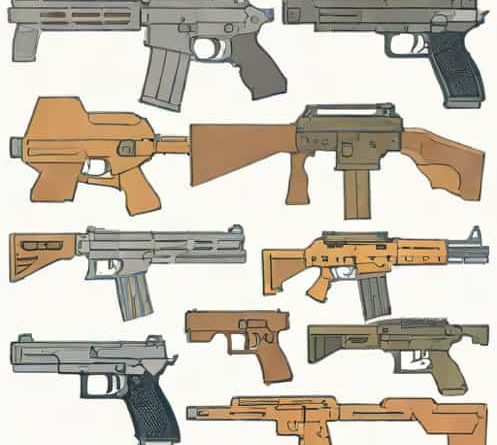
Restricted And Non Restricted Firearms
Firearms regulation is an important aspect of public safety and law enforcement, particularly in countries where gun ownership is common. Understanding the distinction between restricted and non-restricted firearms is crucial for both gun owners and policymakers. This distinction affects licensing requirements, storage regulations, transportation rules, and legal obligations for firearm owners, and it serves as a foundation for safer handling and responsible ownership.
Definition of Restricted Firearms
Restricted firearms are typically those that are subject to stricter control due to their potential for misuse, higher lethality, or ease of concealment. These firearms are not freely available to the general public and usually require a special license or authorization for ownership and use.
- Examples of Restricted FirearmsCommon examples include handguns, certain semi-automatic rifles, and firearms with shorter barrels. Specific models may also be restricted depending on local laws.
- Licensing RequirementsOwners of restricted firearms often need to obtain a restricted license, which may involve background checks, safety training, and proof of a valid reason for ownership such as target shooting, hunting, or professional use.
- Usage LimitationsRestricted firearms may only be used in specific locations like shooting ranges, designated hunting areas, or controlled competitions. Carrying a restricted firearm outside these approved contexts is generally illegal.
- Storage and TransportationStrict rules often govern how restricted firearms are stored, such as requiring locked safes or trigger locks, and how they are transported, typically unloaded and secured in locked cases.
Definition of Non-Restricted Firearms
Non-restricted firearms, on the other hand, are generally subject to fewer controls. These firearms are more accessible to the public and are typically used for hunting, sport shooting, or personal protection within the bounds of the law.
- Examples of Non-Restricted FirearmsCommon examples include standard hunting rifles, shotguns, and bolt-action rifles with longer barrels. These firearms are widely available to licensed individuals.
- Licensing RequirementsWhile a license is still necessary to purchase or own a non-restricted firearm, the process is often less stringent than for restricted firearms. Safety training and background checks remain standard requirements.
- Usage LimitationsNon-restricted firearms can typically be used in a broader range of activities, including hunting on public or private lands, sport shooting at authorized ranges, or for personal protection under regulated circumstances.
- Storage and TransportationAlthough regulations exist to ensure safety, non-restricted firearms may have more lenient storage and transportation rules compared to restricted firearms.
Legal Implications
The distinction between restricted and non-restricted firearms carries significant legal implications. Possessing a restricted firearm without the proper license or using it outside approved contexts can result in severe penalties, including fines, imprisonment, or confiscation of the firearm. Non-restricted firearms also require adherence to local regulations, but violations may result in less severe consequences.
- RegistrationRestricted firearms often require mandatory registration with local authorities, whereas non-restricted firearms may have simpler registration procedures.
- Background ChecksBoth types of firearms require background checks, but the process for restricted firearms is usually more comprehensive to ensure responsible ownership.
- Legal PenaltiesFailure to comply with firearm regulations, particularly for restricted firearms, can lead to criminal charges. Understanding the classification is critical to avoid legal trouble.
Purpose of Firearm Classification
Classifying firearms as restricted or non-restricted serves several important purposes
- Public SafetyRestricting access to certain firearms helps reduce the risk of criminal use and accidental injury.
- Responsible OwnershipClear classification encourages firearm owners to understand their responsibilities, including proper storage, usage, and compliance with the law.
- Law EnforcementClassification allows law enforcement agencies to monitor firearm possession more effectively and respond to illegal activity with greater precision.
- Hunting and SportBy differentiating between firearm types, regulators can balance public safety with recreational activities like hunting and target shooting.
Common Misconceptions
Many people confuse restricted and non-restricted firearms, often believing that restricted firearms are always illegal or that non-restricted firearms are completely unrestricted. In reality, both types require responsible ownership and compliance with local laws. Restricted does not mean illegal; it simply means stricter regulations apply to ownership and usage.
- Not All Handguns Are IllegalHandguns are typically classified as restricted, but licensed individuals can own them legally under regulated conditions.
- Non-Restricted Firearms Still Require Safety MeasuresEven though regulations are less strict, owners of non-restricted firearms must follow rules regarding storage, transportation, and usage.
- Classification Can Vary by RegionWhat is restricted in one country or state may be non-restricted in another. Always consult local laws for accurate classification.
The distinction between restricted and non-restricted firearms is a crucial aspect of firearm regulation. Restricted firearms require stricter licensing, usage, and storage rules due to their potential for misuse, while non-restricted firearms are more accessible for hunting and sport shooting but still demand responsible ownership. Understanding these classifications helps firearm owners comply with legal requirements, enhances public safety, and ensures responsible and informed gun use. Whether for legal, recreational, or professional purposes, awareness of these distinctions is essential for anyone involved with firearms.