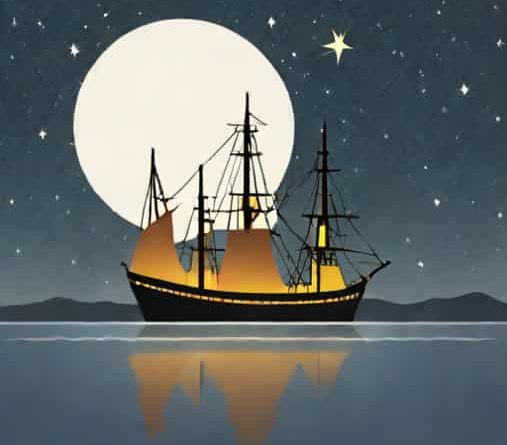
Ships That Pass In The Night Longfellow
The expression ships that pass in the night has become one of the most enduring metaphors in English literature, often used to describe brief human encounters that fail to develop into lasting connections. Many readers associate this phrase with Henry Wadsworth Longfellow, whose poetic language helped shape nineteenth-century American literature. Although the phrase itself has traveled far beyond its original literary context, its emotional depth, imagery, and relevance continue to resonate with modern audiences who experience fleeting relationships in an increasingly fast-moving world.
Henry Wadsworth Longfellow and His Literary Influence
Henry Wadsworth Longfellow was one of the most widely read poets of his time. His writing style was accessible, musical, and rich in imagery, which allowed his poems to reach a broad audience. Longfellow often explored universal themes such as love, loss, time, memory, and human connection.
Because his poetry was written in a clear and rhythmic manner, many of his lines became memorable quotations. Ships that pass in the night is one such phrase that captured the imagination of readers and took on a life of its own.
The Origin of the Phrase
The phrase ships that pass in the night comes from Longfellow’s poem titledTales of a Wayside Inn. In this work, Longfellow reflects on the nature of human encounters, emphasizing how people may briefly meet, exchange signals, and then move on without truly knowing one another.
The metaphor compares people to ships sailing in darkness, momentarily visible to each other before disappearing again into the night.
Imagery of Night and Distance
Night plays a crucial role in the metaphor. Darkness limits visibility, symbolizing emotional barriers, missed understanding, or lack of deeper communication. The ships are close enough to be seen, yet too distant to connect.
Meaning and Interpretation
At its core, ships that pass in the night represents missed opportunities for connection. It suggests that people may come into each other’s lives briefly but fail to form meaningful relationships.
This idea can apply to romantic encounters, friendships, or even brief professional interactions where potential understanding never fully develops.
Emotional Subtlety of the Metaphor
The phrase is not overly dramatic. Instead, it carries a quiet sense of melancholy. There is no conflict or tragedy, only a gentle sadness that something meaningful might have been possible but never came to be.
Why the Metaphor Endures
The enduring power of this phrase lies in its universality. Almost everyone has experienced moments where they crossed paths with someone important, yet circumstances prevented a deeper connection.
Longfellow’s metaphor captures this feeling in a simple and memorable image, making it easy to apply across generations.
Use in Modern Language and Culture
Today, ships that pass in the night is often used outside of poetry and literature. It appears in everyday conversation, essays, films, and music to describe fleeting relationships.
Despite changes in technology and communication, the emotional experience behind the phrase remains relevant.
Modern Examples of Fleeting Connections
In the modern world, people interact briefly through social media, travel, or work. These short encounters often mirror Longfellow’s imagery, where connection is possible but not sustained.
- Brief friendships during travel
- Short-lived romantic encounters
- Passing professional relationships
- Online interactions that fade quickly
Literary Significance of the Phrase
From a literary perspective, the phrase demonstrates Longfellow’s skill in blending concrete imagery with abstract emotion. Ships, night, and distance are physical elements that readers can easily visualize.
At the same time, these elements represent emotional isolation and the human tendency to miss meaningful connections.
Comparison With Other Literary Metaphors
Many writers have explored similar themes of missed connection and emotional distance. However, Longfellow’s metaphor stands out because of its simplicity and clarity.
Rather than focusing on dramatic separation, he highlights quiet, ordinary moments where connection slips away unnoticed.
Simplicity as Strength
The lack of complexity in the imagery allows readers to project their own experiences onto the metaphor. This openness contributes to its lasting appeal.
Psychological and Emotional Dimensions
Psychologically, the idea of ships that pass in the night reflects how people protect themselves emotionally. Fear, timing, and misunderstanding often prevent deeper relationships.
The phrase encourages reflection on how often people truly see one another beyond surface impressions.
Relevance in Relationships
In relationships, the metaphor serves as a reminder of the importance of presence and communication. Without intentional effort, even meaningful encounters can remain shallow.
Longfellow’s words quietly challenge readers to consider how they engage with others.
Longfellow’s Legacy Through Language
One reason Longfellow remains influential is his ability to shape language itself. Phrases like ships that pass in the night have become part of common speech.
This linguistic legacy ensures that his poetic insights continue to influence how people express emotion and experience.
Reflection on Time and Human Experience
The metaphor also speaks to the passage of time. Encounters are brief, moments pass quickly, and opportunities may not return.
By framing this truth so gently, Longfellow invites contemplation rather than regret.
Ships that pass in the night remains one of Henry Wadsworth Longfellow’s most powerful contributions to literary language. Through simple imagery and emotional depth, the phrase captures the quiet sadness of missed connections and fleeting encounters. Its continued relevance in modern life demonstrates how deeply it reflects universal human experience. Longfellow’s metaphor encourages readers not only to recognize these moments but also to consider the value of truly seeing and understanding one another before drifting apart again.