What Does Nevermore Mean In The Raven
In Edgar Allan Poe’s famous poem The Raven, the word nevermore carries profound meaning and emotional weight. It is the only word spoken by the mysterious black raven that visits the grieving narrator, and it becomes a refrain that haunts the poem from start to finish. Understanding what nevermore means in the context of The Raven requires an exploration of the poem’s themes of loss, despair, and the inevitability of death. The repetition of this single word reflects the narrator’s growing obsession with his lost love, Lenore, and emphasizes the permanence of sorrow and the hopelessness of his situation.
The Literal Meaning of Nevermore
At its simplest, nevermore is a term that means never again or not ever. In everyday English, it is an archaic or poetic way of expressing that something will not happen in the future. However, in Poe’s poem, the literal meaning of the word is elevated to a symbolic and psychological level. Each utterance of nevermore forces the narrator to confront the permanence of his loss and the impossibility of reclaiming what he has lost. The word is both literal and metaphorical, representing finality and impossibility.
Symbolism of Nevermore
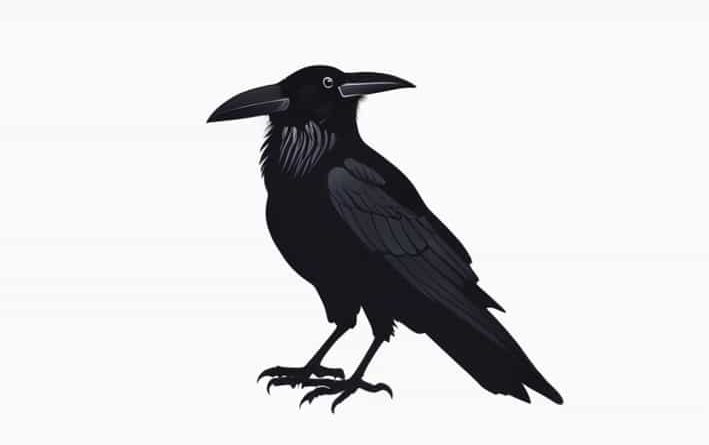
The word nevermore symbolizes the irrevocable nature of death and the permanence of loss. Throughout the poem, the narrator asks the raven questions about whether he will see his beloved Lenore again or find relief from his sorrow. Each time, the raven responds with the same word nevermore. The repetition of this word emphasizes that some things are beyond human control, and some losses are permanent. The raven itself becomes a symbol of this unchangeable reality, and nevermore is its ominous message. By using nevermore, Poe transforms a simple word into a powerful emblem of despair, finality, and the relentless grip of grief.
The Emotional Impact of Nevermore
Nevermore contributes significantly to the emotional intensity of The Raven. The repetition of the word mirrors the narrator’s obsessive thoughts and growing despair. Each time he hears nevermore, his grief deepens, and his hope diminishes further. The word becomes a psychological torment, echoing in his mind as he tries to escape the reality of Lenore’s death. In this way, nevermore not only conveys meaning but also shapes the poem’s rhythm, tone, and haunting atmosphere.
Repetition and Literary Technique
Poe’s use of repetition enhances the significance of nevermore. By repeating the word throughout the poem, he creates a hypnotic and rhythmic effect that mirrors the narrator’s obsessive thoughts. This repetition transforms nevermore from a simple response into a refrain that reinforces the themes of inevitability and hopelessness. The literary technique of repetition also draws the reader into the narrator’s emotional state, making the word resonate with growing intensity as the poem progresses.
Nevermore and the Theme of Loss
At its core, The Raven is a meditation on grief and the permanence of loss. The word nevermore encapsulates this theme by serving as a constant reminder that Lenore is gone and will never return. The narrator’s questions to the raven reveal his desperate longing for reassurance, yet the bird’s responses remind him that some things are beyond human control. Nevermore is a symbol of finality, teaching both the narrator and the reader that certain losses cannot be undone, and mourning is an inevitable part of the human experience.
Nevermore and the Fear of the Unknown
In addition to representing loss, nevermore also reflects the narrator’s fear of the unknown. He seeks answers from the raven about his future and the possibility of reunion with Lenore, but the bird’s repeated word offers no comfort or clarity. Instead, nevermore emphasizes uncertainty and the limits of human understanding. This creates a sense of existential dread, as the narrator realizes that some truths, like death and separation, are permanent and beyond comprehension.
Interpretations of Nevermore
Scholars and readers have offered various interpretations of the significance of nevermore. Some view it as a reflection of the narrator’s guilt or inner turmoil, while others see it as a broader commentary on the inevitability of death and the human condition. Nevermore can also be interpreted as a manifestation of the narrator’s own psyche, a projection of his despair and inability to accept loss. These interpretations highlight the layered meaning of the word and its central role in the poem.
Psychological Perspective
From a psychological perspective, nevermore can be seen as the narrator’s internalization of grief. Each repetition of the word amplifies his sense of hopelessness and obsession. The raven, by repeating nevermore, externalizes the narrator’s fears and anxieties, making them inescapable. This creates a feedback loop where the narrator’s questioning and the bird’s refrain intensify his emotional suffering.
Philosophical Perspective
Philosophically, nevermore represents the limitations of human desire and the inevitability of mortality. It reminds readers that life is finite and that longing for the impossible-such as resurrecting the dead-is futile. The word encapsulates the tension between human hope and the unchangeable nature of reality, making it a timeless reflection on existence, mortality, and the human experience of loss.
Nevermore as a Literary Device
Poe’s choice of the word nevermore is deliberate and highly effective as a literary device. It functions as
- A refrain that structures the poem and reinforces its rhythm.
- A symbol of finality, loss, and despair.
- An auditory representation of the narrator’s obsessive thoughts.
- A tool that engages the reader’s emotions and creates a haunting atmosphere.
The word’s simplicity contrasts with the complexity of the emotions it evokes, demonstrating Poe’s skill in using language to convey profound psychological and thematic depth.
In The Raven, the word nevermore is far more than a simple response from a bird. It embodies themes of loss, despair, and the inevitability of death. Its repetition emphasizes the narrator’s obsession and emotional torment, while its symbolism highlights the permanence of grief and the limitations of human understanding. Poe’s use of nevermore creates a haunting and unforgettable refrain that defines the tone and meaning of the poem. By examining its literal, symbolic, and psychological significance, readers gain insight into the enduring power of this single word, which continues to resonate as a profound reflection on mortality, longing, and the human experience.