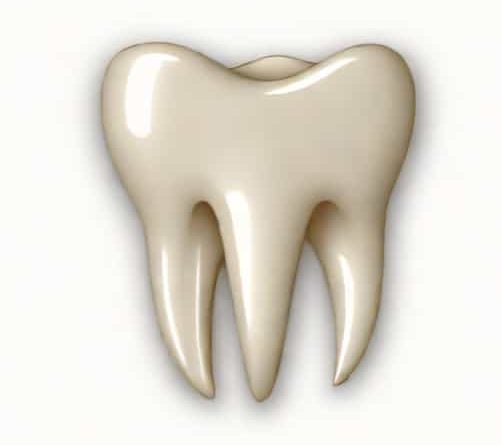
Deciduous Maxillary First Molar
The deciduous maxillary first molar is an essential component of the primary dentition, playing a critical role in the development of a child’s oral cavity. Often referred to as a baby molar, this tooth is the first permanent anchor for chewing and maintaining proper spacing for the eruption of permanent teeth. Understanding its anatomy, function, clinical significance, and developmental timeline is crucial for dental professionals, parents, and educators. The deciduous maxillary first molar not only contributes to mastication but also aids in speech development and helps guide the alignment of future permanent teeth, making it a key focus in pediatric dentistry.
Anatomy of the Deciduous Maxillary First Molar
The deciduous maxillary first molar exhibits distinct anatomical features that differentiate it from other primary and permanent teeth. Typically, it has a wide crown with well-defined cusps, a short root trunk, and roots that flare outward to accommodate the underlying permanent teeth. Its occlusal surface contains grooves and fissures that aid in grinding food, while the smooth cervical line contributes to easy maintenance of oral hygiene.
Cusp and Occlusal Pattern
This molar usually possesses four major cusps mesiobuccal, distobuccal, mesiopalatal, and distopalatal. These cusps are separated by a central groove, which is often supplemented by supplemental grooves that vary between individuals. The occlusal pattern is crucial for effective mastication, as it allows for the crushing and grinding of food. The relative height and arrangement of these cusps contribute to the tooth’s functionality and interaction with opposing teeth in the mandibular arch.
Root Structure
The deciduous maxillary first molar typically has three roots mesiobuccal, distobuccal, and palatal. The roots are widely separated, providing space for the developing permanent premolars. The palatal root is the longest and most robust, providing strong anchorage in the maxillary arch. The root morphology, including curvature and length, is essential for dental procedures such as pulp therapy or extraction, as clinicians must carefully navigate these anatomical features to avoid complications.
Development and Eruption Timeline
The eruption of the deciduous maxillary first molar generally occurs between 13 and 19 months of age. This timeline may vary slightly based on genetics, nutrition, and overall health. The tooth plays a critical role in establishing proper occlusion and maintaining the space needed for permanent teeth. Shedding of this tooth usually occurs around 9 to 11 years of age, as it is replaced by the permanent maxillary first premolar.
Role in Dental Arch Development
Deciduous molars act as natural space maintainers, preserving the integrity of the dental arch for future permanent teeth. Early loss or decay of the maxillary first molar can result in crowding, misalignment, and malocclusion. Pediatric dentists often recommend timely interventions, such as space maintainers, to prevent complications and support proper oral development.
Function of the Deciduous Maxillary First Molar
The primary function of the deciduous maxillary first molar is mastication, helping children break down food into smaller ptopics for digestion. Additionally, it contributes to speech development by providing support for the tongue and lips during articulation. The tooth also plays a role in maintaining facial structure, particularly in the upper jaw, and supports the vertical dimension of occlusion, which is critical for proper growth and development.
Chewing Efficiency
The wide occlusal surface and pronounced cusps of this molar enhance chewing efficiency. Children rely on these teeth for effective breakdown of solid foods, which promotes better digestion and nutrient absorption. The occlusal pattern ensures that food is evenly distributed and crushed before swallowing, reducing the risk of digestive issues and aiding in overall health.
Speech and Aesthetics
In addition to chewing, the deciduous maxillary first molar supports the formation of certain speech sounds, particularly those requiring tongue contact with the upper arch. Proper alignment and presence of the molars contribute to clear articulation and pronunciation. Aesthetic considerations, while secondary, are also important as the teeth help maintain facial symmetry and support the cheeks during early development.
Clinical Significance
Understanding the deciduous maxillary first molar is essential in pediatric dentistry due to its susceptibility to dental caries, pulp involvement, and the potential impact on permanent dentition. Early identification and treatment of dental issues are crucial for maintaining oral health and ensuring proper development of the permanent teeth.
Common Dental Issues
- CariesDue to deep pits and fissures on the occlusal surface, the maxillary first molar is prone to dental caries. Preventive measures such as sealants and fluoride treatments are often recommended.
- Pulpal InvolvementExtensive decay can lead to pulpitis, requiring interventions such as pulpotomy or pulpectomy to preserve the tooth until natural exfoliation.
- Early LossPremature loss of this molar can cause space loss, crowding, and malocclusion, making space maintenance an important consideration.
Pediatric Dental Procedures
Restorative procedures for the deciduous maxillary first molar include fillings, crowns, and pulp therapy. Stainless steel crowns are commonly used for severely decayed teeth due to their durability and protective properties. Clinicians must carefully assess root morphology and occlusion before treatment, as these factors affect procedural success and long-term oral health outcomes.
Radiographic Considerations
Radiographic examination is essential for evaluating the deciduous maxillary first molar, particularly for assessing root development, caries extent, and proximity to permanent teeth. Bitewing and periapical X-rays help identify hidden decay, monitor eruption patterns of permanent successors, and plan appropriate interventions. Radiographic monitoring ensures that treatments are precise and minimize risk to underlying permanent teeth.
Assessment of Eruption and Resorption
Radiographs allow dentists to evaluate the resorption of deciduous roots, which is critical for predicting the timing of exfoliation. Understanding root resorption patterns helps clinicians decide whether to extract or preserve the tooth, especially if it is impacted by decay or trauma. Timely intervention supports proper alignment of the permanent maxillary first premolar.
The deciduous maxillary first molar is a vital tooth in the primary dentition, serving multiple functions including mastication, speech support, and preservation of space for permanent teeth. Its distinct anatomy, including wide occlusal surfaces, pronounced cusps, and flared roots, allows it to fulfill these roles effectively. Awareness of its development, eruption timeline, and clinical significance is essential for parents, dental professionals, and educators to ensure proper oral health in children.
Management of the deciduous maxillary first molar involves preventive care, timely restoration, and monitoring of eruption and resorption patterns. Maintaining the health of this molar supports proper alignment and function of the permanent dentition, reduces the risk of malocclusion, and contributes to overall well-being. With a combination of good oral hygiene, professional care, and attention to developmental milestones, the deciduous maxillary first molar can perform its crucial role in a child’s oral and general health effectively.