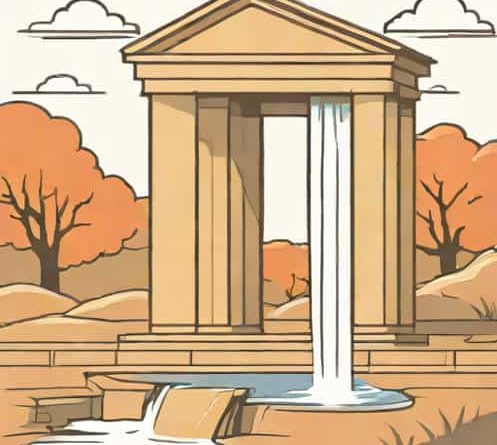
Falls Of Companionship Location
The Falls of Companionship may sound like a poetic or fictional name rather than a real place, but there is actually no geographically or historically documented waterfall or landmark officially called Falls of Companionship. The phrase does not correspond to any known natural feature, tourist attraction, or geographical location in official records or reputable maps. However, the idea raises interesting questions about how certain names emerge in literature, music, or metaphor and why some phrases may feel as if they describe a real place. Exploring the concept of Falls of Companionship helps us examine how metaphor, memory, and meaning can mix, and why a phrase like this can resonate deeply even when it refers to something intangible.
Understanding the Term Falls of Companionship
Since Falls of Companionship is not a recognized place on maps or travel guides, it must be understood primarily as a metaphor or figurative concept. The word falls often refers to a waterfall or a rapid descent, while companionship suggests friendship, connection, and shared experiences. Together, Falls of Companionship evokes an emotional image the idea of a cascade or rush of feelings that come from being close to someone else. Rather than a physical location, it might represent the rise and fall of relationships, the ebbing and flowing nature of bonds, or a poetic way to describe intimacy and community.
Possible Literary or Symbolic Origins
Often, phrases that combine natural imagery with emotional or social concepts emerge in poetry, song lyrics, or fiction. Falls of Companionship could belong to that tradition, functioning as a symbolic place where ideas of friendship, trust, crisis, and reconciliation meet. Writers and lyricists sometimes use waterfalls as metaphors for emotional release, power, or transformation. When paired with companionship, it suggests a shared journey through highs and lows, turbulences and calm pools. It may highlight the strength of relationships, but also the vulnerability that comes when people let down their guard and experience life together.
Why People Might Think It’s a Real Place
Because the phrase is evocative and sounds like the name of a natural attraction, many might assume that Falls of Companionship is a real landmark. Here are a few reasons why this confusion might happen
- Sound and structureIt follows the pattern of many waterfalls (like Falls of Inspiration, Falls of Serenity, or Falls of the Virgin).
- Metaphorical meaningPeople often use natural imagery to describe complex emotions, making it easy to imagine such a place.
- Misheard lyrics or creative writingThe phrase could stem from a misinterpreted line in a poem or song, giving it the feel of a place name.
- Invented travel destinationIt might appear in fictional writing, roleplaying games, or storytelling, further confusing people who search for it online.
Connections to Other Places
While Falls of Companionship is not a physical site, real waterfalls with symbolic or deeply emotional names do exist. For example, many waterfalls are named for serenity, spirit, or power like Eternal Flame Falls in New York, where a small natural gas flame burns under the waterfall’s spray, creating a magical effect. contentReference[oaicite0]
Additionally, sites such as Chumi Gyatse Falls in Arunachal Pradesh, India, are surrounded by legend and spirituality. Local traditions say that these falls, consisting of as many as 108 cascades, were created by a guru’s rosary and are deeply sacred. contentReference[oaicite1] While not named Companionship, these real places show how waterfalls can carry symbolic meaning of connection, blessing, and spiritual companionship.
Why the Concept Resonates
Even though Falls of Companionship is not a real location, the idea can resonate strongly on a symbolic and emotional level. This resonance comes from several sources
- Emotional imageryThe combination of falls and companionship evokes deep feelings like the rush of falling water combined with the comfort of close relationships.
- Metaphorical powerIt reminds us that relationships are not always smooth; they have their own turbulence, depths, and turning points.
- Universal appealMany people have experienced the ups and downs of friendship, love, or community. A phrase that captures that idea can be universally meaningful.
- Creative inspirationFor writers, songwriters, or artists, Falls of Companionship can be a rich source of metaphorical material suggesting a place of reflection, transformation, or reunion.
Possible Uses in Art and Storytelling
In literature or songwriting, Falls of Companionship could be used as a recurring motif to explore themes like
- Longing or nostalgia for a past friendship or love
- The healing power of relationships after a period of hardship
- Social or spiritual pilgrimage, where companionship helps one grow
- Inner journeys, where the fall symbolizes letting go, and companionship symbolizes finding support
Writers might set scenes in a fictional place called the Falls of Companionship a symbolic waterfall where characters confront their feelings and reconnect. It could be a place of solace, transformation, or reconciliation.
Misinterpretations and Misinformation
Because people may search for Falls of Companionship as if it were a tourist destination, there is potential for confusion or misinformation. Some common issues include
- Mislabeled maps or websitesAutomated or user-generated content might mistakenly list it as a real place.
- Spoofed travel guidesFictional places sometimes appear in creative blogs or roleplaying game materials, which can be misinterpreted as real.
- Social media confusionPeople sharing quotes, poetry, or lyrics might present the phrase in a way that feels like they are describing an actual location.
Given these risks, anyone looking for Falls of Companionship location is likely to come away without finding a physical place even though they may find rich metaphorical or creative meaning instead.
How to Approach the Phrase or Concept
If you encounter Falls of Companionship, here are some ways to interpret or use it wisely
- Think metaphoricallyConsider the phrase as a symbolic or poetic expression rather than a real spot on the map.
- Use it in writingWriters and poets can employ it to evoke emotional depth, transformation, or journey in relationships.
- Clarify in contextWhen discussing or sharing the phrase, note that it’s figurative this can help more literal-minded listeners understand.
- Explore real waterfallsIf inspired by the image of a waterfall, you might research real-world sites like Chumi Gyatse Falls (India) or Eternal Flame Falls (USA), which also carry symbolic or spiritual meaning. contentReference[oaicite2]
The Falls of Companionship is not a physical location you can visit on a map, but rather a vivid and meaningful metaphor that captures the emotional flow of human relationships. While no documented landmark bears that exact name, the phrase speaks to universal experiences of connection, change, and shared journey. It offers rich potential in literature, art, and personal reflection, inviting us to imagine a place where companionship cascades like water strong, beautiful, and transformative. In a world that often values concrete destinations, Falls of Companionship reminds us that some of the most powerful places we visit are inside our hearts and minds.