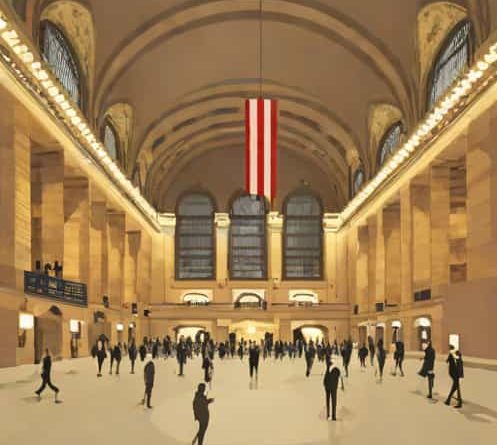
Grand Central Station New York
Grand Central Station in New York City is one of the most iconic transportation hubs in the world, known not only for its architectural beauty but also for its historical and cultural significance. Located in Midtown Manhattan, it serves as a central point for commuters traveling throughout New York and the surrounding areas. The station’s design, including its grand hall, celestial ceiling, and impressive clock, makes it a must-visit destination for tourists and a daily necessity for thousands of commuters. Its role in connecting different parts of the city, alongside its rich history and cultural relevance, solidifies Grand Central Station as more than just a transit point-it is a landmark that embodies the energy and spirit of New York.
Historical Background
Grand Central Station, officially known as Grand Central Terminal, was officially opened to the public on February 2, 1913. It was constructed to replace an earlier station built in the 19th century, accommodating the rapidly growing number of passengers and the need for more advanced rail infrastructure. The station was designed by the architectural firms Reed and Stem and Warren and Wetmore, combining Beaux-Arts design elements with modern engineering innovations. Its construction represented a massive undertaking, featuring underground tracks and innovative train-sorting mechanisms to handle the heavy flow of traffic efficiently.
Architectural Highlights
The architecture of Grand Central Station is a marvel in itself, reflecting grandeur and meticulous craftsmanship. The main concourse, with its soaring ceilings and expansive windows, allows natural light to flood the space, enhancing the station’s majestic feel. The celestial ceiling mural, depicting the constellations of the night sky, is one of the station’s most famous features. Additionally, the opulent chandeliers, marble staircases, and detailed stonework contribute to a sense of luxury rarely found in transportation hubs. The iconic four-faced clock atop the information booth serves as a central meeting point for visitors and is a symbol of the station’s historic legacy.
Transportation Hub
Grand Central Station is more than just an architectural masterpiece; it is a functional and vital transportation hub. It serves Metro-North Railroad trains, which connect commuters to destinations throughout New York State, including Westchester, Putnam, Dutchess counties, and beyond. The station’s 44 platforms and 67 tracks make it one of the largest train stations in the world by number of platforms. In addition to commuter rail, Grand Central provides connections to the New York City Subway system, making it a key interchange for travelers navigating the city. The efficiency of its track design allows trains to arrive and depart simultaneously, reducing congestion and enhancing commuter experience.
Cultural Significance
Beyond its transportation function, Grand Central Station has become a cultural icon. It has been featured in countless movies, television shows, and literature, often symbolizing the energy and hustle of New York City. The station hosts events, exhibits, and performances, blending public utility with cultural engagement. Tourists are drawn not only by its architecture but also by the experience of witnessing the daily rhythm of commuters, creating a unique urban tapestry that represents the city’s dynamic nature. Grand Central’s historical preservation efforts have ensured that its cultural significance is maintained while adapting to modern needs.
Shopping and Dining
In addition to its transit and cultural roles, Grand Central Terminal offers a wide array of shopping and dining options. The Grand Central Market, featuring fresh produce, gourmet foods, and specialty items, provides a unique shopping experience for both locals and tourists. Numerous restaurants and cafes, ranging from casual eateries to fine dining establishments, allow visitors to enjoy meals amidst the historic and luxurious setting of the terminal. The combination of food, shopping, and architectural beauty makes Grand Central not just a station but a destination in its own right.
Preservation and Restoration
Over the years, Grand Central Station has undergone significant restoration to preserve its historic beauty and functionality. In the 1990s, a major restoration project focused on cleaning and repairing the main concourse, restoring the celestial ceiling, and enhancing lighting. These efforts ensured that the station’s architectural features remained true to their original design while incorporating modern amenities for safety and convenience. Preservation of Grand Central continues to be a priority, balancing the need for historical integrity with contemporary usage demands.
Events and Attractions
Grand Central Station also hosts a variety of events and attractions throughout the year. Seasonal markets, art installations, and public performances are commonly held within the terminal, offering unique experiences to visitors. The Whispering Gallery, located near the Oyster Bar, is another popular attraction where visitors can experience the acoustic marvel of sound traveling across arched walls. These features make Grand Central a lively space that engages visitors beyond transportation, enhancing its reputation as a cultural and social hub.
Tourism and Visitor Experience
For tourists, Grand Central Station is a must-visit landmark, offering more than just a glimpse into New York’s transit system. Guided tours are available, highlighting the station’s architectural details, history, and hidden features. Visitors can learn about the terminal’s construction, its role in shaping the city, and the stories behind its iconic features. Photo opportunities abound, with the celestial ceiling, marble staircases, and the iconic clock providing memorable backdrops. The combination of education, history, and visual appeal makes Grand Central a unique experience for tourists and locals alike.
Accessibility and Modernization
Modern Grand Central Terminal has adapted to contemporary needs while preserving its historical significance. Elevators, ramps, and tactile guidance paths ensure accessibility for all visitors, including those with disabilities. Digital signage, real-time train tracking, and mobile apps improve the convenience of travel. Despite the modernization, care has been taken to maintain the station’s historical charm, blending functionality with heritage. Grand Central continues to serve as a benchmark for how historical transit hubs can evolve to meet modern demands.
Grand Central Station in New York is far more than just a transportation hub; it is a symbol of architectural grandeur, historical significance, and cultural vibrancy. Its role in connecting commuters, combined with its luxurious design, shopping and dining experiences, and cultural events, makes it an iconic New York landmark. Visitors and residents alike are drawn to its beauty, efficiency, and energy, experiencing a piece of New York’s history while engaging with its modern amenities. Grand Central Station exemplifies how a functional transit space can also be a cultural and social centerpiece, offering a unique blend of past, present, and future.
- Grand Central Station officially opened on February 2, 1913, and is a historic transportation hub.
- The station features Beaux-Arts architecture with a celestial ceiling and iconic clock.
- It serves as a major hub for Metro-North Railroad and connects to New York City Subway lines.
- Grand Central is a cultural landmark featured in movies, literature, and public events.
- The terminal includes a market, restaurants, and specialty shops enhancing the visitor experience.
- Restoration efforts have preserved its architectural beauty while adding modern amenities.
- Attractions like the Whispering Gallery and guided tours provide educational and entertaining experiences.
- Accessibility features and digital enhancements ensure convenience for all visitors.