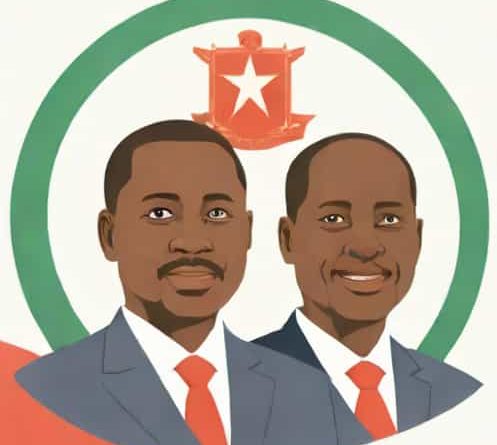
Habyarimana And Burundian Pres
Juvenal Habyarimana, the President of Rwanda from 1973 until his assassination in 1994, played a pivotal role in the political landscape of the Great Lakes region of Africa. His leadership intersected with that of the Burundian presidents, whose countries share not only geographical proximity but also historical, ethnic, and political ties with Rwanda. Understanding Habyarimana’s policies, his interactions with Burundi, and the dynamics of regional politics helps explain the complexities of ethnic tensions, governance challenges, and the tragic events that unfolded during the early 1990s in both countries. Examining these connections sheds light on a critical period in East African history.
Juvenal Habyarimana’s Rise to Power
Habyarimana came to power in Rwanda following a military coup in 1973 that ousted President Grégoire Kayibanda. His rise marked the beginning of a long period of authoritarian rule, during which the Rwandan Patriotic Front (RPF) had not yet emerged as a significant threat. Habyarimana consolidated power by controlling political opposition and managing ethnic tensions between the Hutu majority and the Tutsi minority. His presidency was characterized by attempts to stabilize the economy, build political alliances, and maintain regional influence, particularly with neighboring Burundi, which faced similar ethnic and political divisions.
Political Structure under Habyarimana
Habyarimana implemented a one-party system under the National Revolutionary Movement for Development (MRND). The party became the central instrument for governance, allowing him to control local and national administration. Habyarimana’s policies often emphasized Hutu interests, which mirrored political patterns in Burundi, where alternating Hutu and Tutsi presidents sought to balance power amid ongoing ethnic tensions. This regional similarity influenced how Habyarimana and Burundian presidents approached diplomacy, security, and domestic political control.
Burundi’s Presidential Context
Burundi, Rwanda’s southern neighbor, shared a similar colonial history, ethnic composition, and post-independence political challenges. The country experienced repeated cycles of violence and political upheaval as Hutu and Tutsi factions competed for power. During Habyarimana’s presidency in Rwanda, Burundi saw several presidencies, including those of Jean-Baptiste Bagaza and Pierre Buyoya, who also came to power through coups. These leaders, like Habyarimana, struggled to manage ethnic divisions while maintaining state authority, often resulting in authoritarian measures and military interventions.
Comparative Leadership Approaches
While Habyarimana and Burundian presidents faced similar ethnic tensions, their leadership styles and strategies differed in some respects
- Habyarimana emphasized centralized control through a single party system in Rwanda.
- Burundian presidents alternated between military and civilian leadership, sometimes engaging in power-sharing arrangements to appease both Hutu and Tutsi communities.
- Both Rwanda and Burundi used security forces to suppress opposition, though the scale and methods varied depending on internal pressures and regional dynamics.
- Diplomatic relations between the two countries fluctuated, with periods of cooperation and tension influenced by refugee movements, insurgencies, and cross-border ethnic solidarities.
Rwanda-Burundi Relations under Habyarimana
Habyarimana’s presidency coincided with significant migration and cross-border interactions. Ethnic conflicts in Burundi prompted waves of refugees into Rwanda, affecting domestic politics and security. Habyarimana navigated these challenges by balancing humanitarian concerns with national security interests. At times, relations with Burundian presidents were cooperative, particularly in managing regional security and economic exchanges. However, political instability in Burundi and the emergence of rebel groups occasionally strained diplomatic relations, reflecting the fragile nature of leadership in ethnically divided societies.
Shared Ethnic and Political Challenges
Both Rwanda and Burundi faced deep-rooted Hutu-Tutsi tensions, colonial legacies that exacerbated divisions, and the challenge of building inclusive governance. Habyarimana and Burundian presidents implemented policies to manage these tensions, but efforts were often insufficient, leading to cycles of violence. The coordination-or lack thereof-between leaders influenced regional stability, refugee crises, and the potential for cross-border conflict.
The Role of International Influence
During Habyarimana’s presidency, international actors played a role in shaping both Rwandan and Burundian politics. Foreign aid, development assistance, and diplomatic pressures influenced policy decisions, security operations, and leadership legitimacy. Habyarimana leveraged international relationships to strengthen his administration, gain economic support, and manage internal dissent. Similarly, Burundian presidents engaged with global powers to stabilize their regimes and address internal unrest, reflecting the interconnectedness of national leadership with regional and international politics.
Regional Cooperation and Tensions
Despite shared challenges, Habyarimana and Burundian leaders sometimes experienced tension over refugee flows, insurgent activities, and ideological differences. Joint initiatives, such as security cooperation and diplomatic summits, were occasionally successful in mitigating cross-border threats. However, these efforts were often undermined by domestic instability, ethnic violence, and mistrust between ruling elites. The complexity of these relations underscores the difficulty of achieving lasting stability in the Great Lakes region during this period.
Legacy of Habyarimana and Burundian Presidents
Habyarimana’s assassination in 1994 triggered the Rwandan genocide, highlighting the fragility of governance structures and the consequences of unresolved ethnic tensions. In Burundi, continued cycles of violence and coups reflected similar challenges in managing diverse communities and preventing authoritarian excesses. Both countries’ histories during this period illustrate the importance of effective leadership, inclusive policies, and regional cooperation to prevent humanitarian disasters. The interactions between Habyarimana and Burundian presidents provide insight into the shared struggles of neighboring nations grappling with post-colonial governance and ethnic divisions.
Lessons for Regional Stability
- Strong institutions and inclusive governance are essential for managing ethnic tensions.
- Cross-border cooperation is crucial in regions with shared ethnic and political dynamics.
- Authoritarian measures may provide short-term stability but can exacerbate long-term instability.
- International engagement should support sustainable political solutions rather than short-term interests.
The presidency of Juvenal Habyarimana in Rwanda, in relation to the leadership of Burundian presidents, offers a significant case study in regional politics, ethnic conflict, and governance challenges in the Great Lakes region. The similarities and differences between these leaders’ approaches highlight the difficulties of managing divided societies while maintaining national authority and regional diplomacy. Habyarimana’s legacy, intertwined with that of Burundian leaders, reflects both the potential and the limitations of political leadership in contexts marked by historical grievances, ethnic tensions, and external pressures. Understanding these dynamics is critical for analyzing the historical trajectory of Rwanda, Burundi, and the broader East African region, offering lessons that remain relevant for contemporary efforts toward peace and stability.