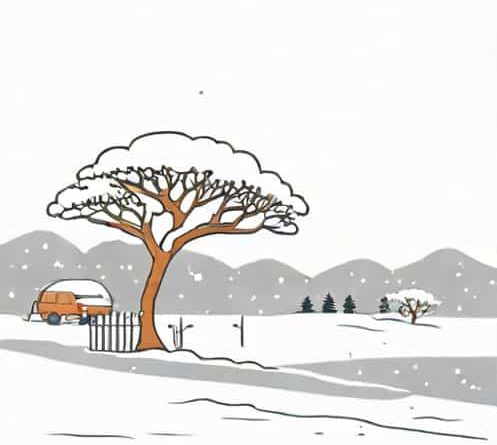
Heavy Snowfall In South Africa
South Africa, known for its warm climate and sunny landscapes, occasionally experiences rare and unexpected weather events such as heavy snowfall. While most people associate snow with regions closer to the poles, certain high-altitude areas of South Africa, particularly in the Drakensberg Mountains and the interior plateau, can receive significant snowfall during the winter months. These snow events can have a profound impact on local communities, transportation, agriculture, and tourism, making them noteworthy occurrences despite their infrequency. Understanding the causes, effects, and preparation strategies for heavy snowfall in South Africa is crucial for both residents and visitors.
Geography and Climate Factors Contributing to Snowfall
Heavy snowfall in South Africa is largely influenced by the country’s unique geography and climate patterns. The majority of the country experiences a temperate or semi-arid climate, but elevated regions such as the Drakensberg Mountains, Lesotho Highlands, and parts of the Eastern Cape are more susceptible to snow. These high-altitude areas have colder temperatures during the winter months, which, combined with atmospheric moisture, can lead to snow accumulation. The interior plateau, including parts of the Free State and Gauteng provinces, may also see snowfall during cold fronts.
Atmospheric Conditions
Snowfall in South Africa is often associated with cold fronts that move northwards from the Southern Ocean or the Antarctic region. These cold air masses can clash with relatively warmer, moist air over the interior, leading to precipitation that falls as snow rather than rain. The combination of low temperatures, high humidity, and strong winds in elevated areas increases the likelihood of heavy snowfall events. Meteorologists closely monitor these conditions to predict potential snowfalls and issue warnings to affected regions.
Recent Heavy Snowfall Events
Although uncommon, heavy snowfall has been recorded in South Africa in recent decades, capturing public attention and sometimes causing significant disruptions. For instance, in July 2022, several areas in the Drakensberg Mountains experienced intense snowfalls, creating picturesque winter landscapes that attracted tourists and hikers. In 2023, unexpected snowfall was reported in parts of the Free State and Gauteng, leading to icy roads and temporary road closures. Such events, while rare, demonstrate the country’s capacity to experience extreme winter weather conditions.
Impact on Communities and Transportation
Heavy snowfall in South Africa can have both immediate and lasting effects on local communities. Road networks in high-altitude areas often become hazardous due to icy and snow-covered surfaces. Traffic accidents can increase, and emergency services may face difficulties reaching affected areas. Public transportation, including buses and taxis, may also experience delays or disruptions. Residents in snow-prone areas sometimes need to stock up on essential supplies, and schools may close temporarily to ensure safety.
Economic Implications
The economic impact of heavy snowfall in South Africa varies depending on the region and severity of the event. Agricultural activities can be disrupted, particularly in areas where crops or livestock are vulnerable to cold and snow. Farmers may need to take precautionary measures to protect their livestock from extreme cold, including providing additional shelter or feed. On the other hand, tourism often benefits from snow events, as snow-capped mountains attract hikers, photographers, and winter sports enthusiasts, contributing to local revenue.
Tourism and Recreational Opportunities
Snowfall in South Africa provides unique recreational opportunities that are otherwise unavailable in most of the country. The Drakensberg Mountains, for example, become a hub for winter tourism during snow events. Visitors often engage in activities such as snow hiking, photography, and even informal sledding. Hotels and lodges in snow-prone regions see increased bookings, and local businesses experience a boost from tourists seeking food, accommodation, and guided experiences. While snow events are temporary, they create memorable experiences for both locals and international travelers.
Preparation and Safety Measures
Given the potential risks associated with heavy snowfall, preparation and safety measures are essential. Residents in high-altitude areas are advised to maintain winter supplies, including food, water, and warm clothing. Vehicle owners should equip cars with appropriate tires or chains and carry emergency kits in case of road blockages. Local authorities often issue alerts and advisories to warn communities about expected snowfalls, helping to minimize accidents and disruptions. For tourists, it is crucial to stay informed about weather forecasts and road conditions to ensure safe travel.
Climate Change and Snowfall Trends
While South Africa is generally considered a warm country, climate change may influence the frequency and intensity of extreme weather events, including snowfall. Changes in atmospheric patterns, ocean currents, and temperature fluctuations could potentially lead to more unpredictable snow events in high-altitude regions. Researchers and meteorologists continue to study these trends to better understand how climate change impacts snowfall and to provide accurate forecasts that aid in preparation and disaster management.
Environmental Considerations
Heavy snowfall can also affect the environment in several ways. Snow acts as an insulating layer for vegetation, protecting plants and soil from extreme cold. However, sudden or unusually heavy snowfalls can damage trees, disrupt wildlife habitats, and impact ecosystems. In areas that are not accustomed to frequent snow, local flora and fauna may face additional stress during extreme winter conditions, highlighting the importance of monitoring and managing environmental impacts.
Historical Perspective
Historically, heavy snowfall in South Africa has been a rare but celebrated phenomenon. Accounts from the 20th century describe dramatic snowfalls in the Drakensberg Mountains, creating iconic winter landscapes that became subjects of photographs, paintings, and local folklore. Over the years, snow events have become an anticipated attraction for winter tourists and outdoor enthusiasts, despite their irregular occurrence. These historical events provide valuable data for understanding the patterns and impacts of snow in the region.
Education and Public Awareness
Public awareness campaigns and educational initiatives help communities understand the implications of heavy snowfall. Schools, local councils, and meteorological agencies provide guidance on safety measures, emergency preparedness, and environmental considerations. Educating the public about the causes and effects of snow events enables better planning and reduces the risks associated with extreme weather. Awareness also fosters a sense of appreciation for the unique phenomenon of snow in a predominantly warm country.
Heavy snowfall in South Africa is a rare but significant weather event that affects various aspects of life, from transportation and agriculture to tourism and the environment. While most of the country enjoys mild winter temperatures, high-altitude regions experience snow that brings both challenges and opportunities. Understanding the geographic and atmospheric conditions that lead to snowfall, preparing for its impacts, and appreciating the recreational and economic benefits are crucial for residents and visitors alike. As climate patterns continue to change, staying informed and proactive ensures that communities can safely enjoy and adapt to the unique experience of snow in South Africa.