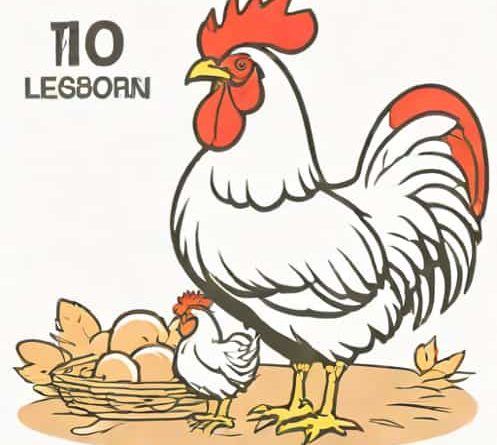
How Big Do Leghorn Chickens Get
Leghorn chickens are one of the most popular and recognizable breeds in the poultry world, known for their prolific egg-laying abilities and energetic personalities. They are often raised by both small-scale backyard farmers and large commercial operations because of their efficiency and adaptability. A common question among poultry enthusiasts, especially beginners, is about their size and growth how big do Leghorn chickens get? Understanding the typical size of Leghorns can help with coop planning, feed management, and overall care to ensure they remain healthy and productive. In addition to their physical size, it is important to consider differences between males and females and how factors such as diet and environment can influence growth.
Origin and General Characteristics of Leghorn Chickens
Leghorn chickens originated in Italy and were later brought to the United States in the 19th century. They are classified as a Mediterranean breed and are primarily known for their white feathers, though other color variations exist, including brown, black, and buff. Leghorns are medium-bodied birds with slender frames, upright posture, and large combs. Their lightweight build contributes to their active and sometimes flighty behavior, making them excellent foragers if allowed access to free-range areas. These chickens are hardy, adaptable to various climates, and efficient egg layers, which is why their size is more focused on productivity rather than meat production.
Appearance and Features
Leghorns are recognized by their
- White or colored plumage depending on the variety.
- Large, single combs and wattles.
- Long, slender legs with yellow skin.
- Lightweight but muscular frame.
Their physical structure is designed more for endurance and egg production rather than for meat yield, which explains why their body weight is generally lighter compared to dual-purpose breeds.
Average Size of Leghorn Chickens
When considering how big do Leghorn chickens get, it is important to differentiate between males (roosters) and females (hens), as there is a noticeable difference in weight and body size between the sexes. Leghorns are classified as a lightweight breed, so they are smaller than many common backyard chicken breeds.
Leghorn Hens
Leghorn hens typically weigh between 4 to 5 pounds (1.8 to 2.3 kilograms). They are considered medium to small in size and usually reach their full adult weight by around 18 to 20 weeks of age. Despite their lighter weight, these hens are highly productive, capable of laying up to 280-300 large white eggs per year under optimal conditions. Their small size allows them to be agile and active, which is advantageous in free-range settings.
Leghorn Roosters
Male Leghorns, or roosters, are larger than hens but still relatively lightweight compared to other breeds. They generally weigh between 6 to 7 pounds (2.7 to 3.2 kilograms). Roosters reach their full adult size slightly later than hens, typically around 22 to 26 weeks of age. Roosters tend to be more robust in appearance, with larger combs and wattles, long tail feathers, and an overall more imposing presence than hens. Despite their slightly larger size, they remain agile and active, maintaining the breed’s signature energy and alertness.
Factors Affecting Size and Growth
The size of Leghorn chickens can vary depending on several factors, including diet, environment, and genetics. While the breed standard provides a general weight range, individual birds may be slightly heavier or lighter based on these influences.
Diet and Nutrition
Providing a balanced diet is crucial for achieving healthy growth in Leghorns. Feed formulated for laying hens, which includes appropriate levels of protein, calcium, and essential vitamins, ensures that hens develop properly and maintain optimal egg production. Roosters also benefit from a diet that supports muscle development and overall vitality. Overfeeding or underfeeding can lead to weight fluctuations, which may impact health and egg-laying performance.
Environment and Housing
Leghorns are active birds that benefit from space to roam. Limited movement or overcrowding in the coop can reduce muscle tone and overall body condition. Providing access to a secure outdoor area for foraging can help Leghorns maintain a healthy weight and contribute to their overall physical development.
Genetic Variation
Like any breed, individual Leghorns may vary in size due to genetic factors. Some bloodlines produce slightly larger birds, while others remain on the lighter side. Choosing chicks from reputable breeders who follow breed standards can help ensure more consistent size and health in adult chickens.
Comparing Leghorns to Other Breeds
Leghorns are considered a lightweight breed, which contrasts with dual-purpose breeds such as Rhode Island Reds or Plymouth Rocks, which are larger and bred for both egg-laying and meat production. Understanding this distinction helps new chicken keepers set realistic expectations for coop size, feed requirements, and egg production potential.
Egg Production vs. Meat Yield
Leghorns excel in egg production but are not ideal for meat due to their smaller size. Hens lay a large number of eggs relative to their body weight, while roosters are leaner and provide less meat than larger breeds. For backyard farmers focused on egg-laying efficiency, Leghorns are an excellent choice, but they may not satisfy those seeking a substantial meat bird.
Tips for Raising Healthy Leghorns
To ensure that Leghorn chickens reach their full size and maintain optimal health, consider the following tips
- Provide high-quality feed formulated for egg-laying hens.
- Offer plenty of clean water to support metabolism and egg production.
- Allow access to outdoor space for exercise and foraging.
- Maintain a clean and secure coop to reduce the risk of disease and stress.
- Monitor body weight and adjust diet or environment as needed.
By following these practices, Leghorn chickens can achieve their typical size, remain healthy, and maximize their egg-laying potential.
Leghorn chickens are a lightweight and highly productive breed, known for their active personalities and prolific egg-laying abilities. Hens typically weigh between 4 to 5 pounds, while roosters can reach 6 to 7 pounds. Despite their smaller size compared to dual-purpose breeds, Leghorns offer excellent value for egg production and are well-suited for both backyard flocks and commercial operations. Factors such as diet, housing, and genetics play a role in determining individual size, but when properly cared for, Leghorns reach their full potential. Understanding the size and growth patterns of Leghorns helps chicken keepers plan for proper housing, nutrition, and care, ensuring a healthy and productive flock. With their distinctive appearance, lively behavior, and egg-laying efficiency, Leghorns remain a popular and practical choice for poultry enthusiasts around the world.
Overall, knowing how big Leghorn chickens get is an important aspect of successful poultry management. Whether you are raising them for eggs, show, or simply enjoying their active personalities, understanding their typical size and care requirements ensures that your flock thrives and remains healthy for years to come.