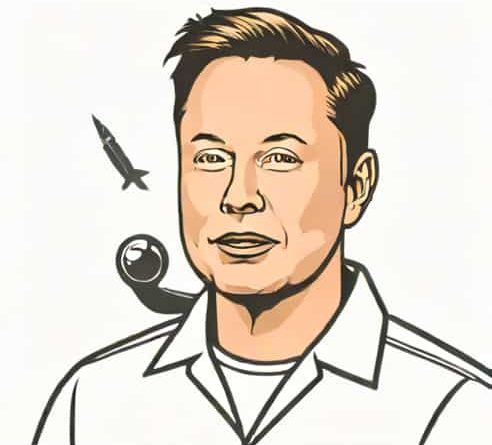
Is Elon Musk A Conservationist
Elon Musk, the entrepreneur known for his work with Tesla, SpaceX, and various other ventures, has become one of the most influential figures in technology and innovation. While he is primarily celebrated for revolutionizing electric vehicles and space travel, many people wonder if he can also be considered a conservationist. Conservationists are typically associated with active efforts to preserve the environment, protect wildlife, and promote sustainable practices. Musk’s contributions to renewable energy, electric transportation, and environmental awareness make this question intriguing, as his actions have both direct and indirect impacts on global conservation efforts.
Elon Musk’s Contributions to Renewable Energy
One of the most significant aspects of Musk’s influence on conservation is his push for renewable energy. Through Tesla, he has promoted electric vehicles (EVs) as a sustainable alternative to traditional gasoline-powered cars. By reducing dependence on fossil fuels, EVs play a crucial role in lowering greenhouse gas emissions and combating climate change. Furthermore, Tesla’s development of solar energy products, such as solar panels and the Powerwall, encourages households and businesses to generate clean energy and reduce their carbon footprint. These efforts directly align with conservation principles by mitigating environmental damage and promoting resource sustainability.
Electric Vehicles and Environmental Impact
The environmental benefits of electric vehicles are a key factor in evaluating Musk’s role as a conservationist. EVs produce no tailpipe emissions, unlike conventional vehicles, and reduce air pollution in urban areas. Additionally, Tesla’s focus on expanding charging infrastructure supports widespread adoption of EVs, making sustainable transportation more accessible to the public. Musk’s commitment to innovation in battery technology also ensures that EVs can travel longer distances without compromising efficiency. By transforming the automotive industry toward greener solutions, Musk indirectly supports conservation efforts through technological advancement.
Space Exploration and Sustainability
Elon Musk’s SpaceX has a mission that extends beyond Earth, aiming to make human life multi-planetary. While space exploration may not seem directly linked to conservation on the surface, Musk has emphasized sustainability in his approach. SpaceX’s reusable rockets, for example, significantly reduce the cost and environmental impact of space travel. Reusability minimizes waste and resource consumption, reflecting a conservation-minded philosophy even in extraterrestrial contexts. Additionally, Musk has discussed using space technology to monitor and understand Earth’s climate, which could help inform environmental policies and conservation strategies in the future.
Innovations Supporting Environmental Awareness
Beyond products and technology, Musk often raises awareness about global challenges, including climate change. His vocal support for the Paris Agreement and advocacy for reducing carbon emissions highlight his concern for environmental issues. Musk has also invested in projects that explore sustainable transportation beyond electric cars, such as the Hyperloop concept and Tesla’s Semi truck. These initiatives, while commercially motivated, encourage the adoption of technologies that reduce environmental impact and promote energy efficiency, aligning with broader conservation goals.
Criticism and Controversies
Despite his contributions, Elon Musk is not without criticism when it comes to conservation. Some argue that his ventures, including Tesla’s large-scale battery production and SpaceX rocket launches, have significant environmental footprints. Mining for lithium, cobalt, and other materials required for batteries can cause habitat destruction and water pollution if not managed responsibly. Additionally, rocket launches release greenhouse gases and can impact the atmosphere, raising concerns about environmental consequences. These criticisms highlight that while Musk supports sustainable technologies, the broader environmental implications of his businesses are complex.
Balancing Innovation and Conservation
Musk’s work illustrates the tension between innovation and environmental responsibility. Conservationists often emphasize minimizing human impact on natural ecosystems, while technological innovators like Musk prioritize progress and economic feasibility. However, by focusing on renewable energy and electric transportation, Musk bridges the gap between technological advancement and conservation. His investments encourage other companies to adopt greener practices and create a ripple effect that benefits the environment on a larger scale. In this sense, Musk’s impact on conservation is indirect but meaningful.
Philanthropy and Environmental Initiatives
Elon Musk has also engaged in philanthropic efforts that support environmental causes. He has donated to projects aimed at developing clean energy, supporting sustainable agriculture, and protecting biodiversity. While these donations are not the central focus of his career, they demonstrate a recognition of the importance of environmental stewardship. Musk’s philanthropic approach, combined with his business innovations, reflects a multi-faceted contribution to conservation, showing that he is not solely profit-driven but also considers the long-term health of the planet.
Encouraging Global Awareness
Another way Musk contributes to conservation is by influencing public perception and policy. His high-profile status and presence on social media platforms allow him to highlight environmental issues to millions of followers. Musk’s discussions about climate change, renewable energy, and sustainable technologies help raise awareness and spark conversations about conservation. By inspiring individuals and governments to adopt greener practices, he indirectly advances the goals of conservationists worldwide.
Elon Musk’s relationship with conservation is multifaceted. While he may not fit the traditional image of a conservationist who directly engages in wildlife protection or habitat restoration, his innovations and advocacy significantly support environmental sustainability. Through Tesla, SpaceX, and other ventures, Musk promotes renewable energy, reduces reliance on fossil fuels, and encourages the development of sustainable technologies. While criticisms exist regarding the environmental impact of his projects, Musk’s influence on global awareness and technological progress positions him as an unconventional conservationist. His work demonstrates that conservation can take many forms, including innovative solutions that reshape industries and inspire broader environmental responsibility.