Roosevelt Grier In My Tenement
In the world of American culture and entertainment, some figures stand out for their versatility, charisma, and ability to cross boundaries between sports, music, and social commentary. One such figure is Roosevelt Grier, often known simply as Rosey Grier, who became a household name not only for his time on the football field but also for his contributions to music and activism. Among his most memorable musical pieces is the song In My Tenement, which offers a glimpse into the realities of urban life while highlighting Grier’s soulful and emotional delivery. This work reflects not just the personal side of Grier, but also the broader themes of community, hardship, and resilience that defined much of the American experience during his era.
Who Was Roosevelt Grier?
Roosevelt Rosey Grier was born on July 14, 1932, in Cuthbert, Georgia, and became widely recognized as both a professional football player and a cultural icon. He played in the National Football League, most notably with the New York Giants and the Los Angeles Rams, where he was part of the legendary defensive line known as the Fearsome Foursome. Yet, Grier’s story extends far beyond the football field. After retiring from sports, he built a career as a singer, actor, and activist, surprising many who assumed his identity would be confined to athletics.
A Multifaceted Talent
Grier’s ability to shift seamlessly from the football stadium to the recording studio is a testament to his range. He challenged stereotypes of masculinity by not only singing but also embracing hobbies such as needlepoint and macramé. His presence in music, particularly songs like In My Tenement, demonstrated his willingness to use art as a medium for storytelling and cultural expression.
Understanding In My Tenement
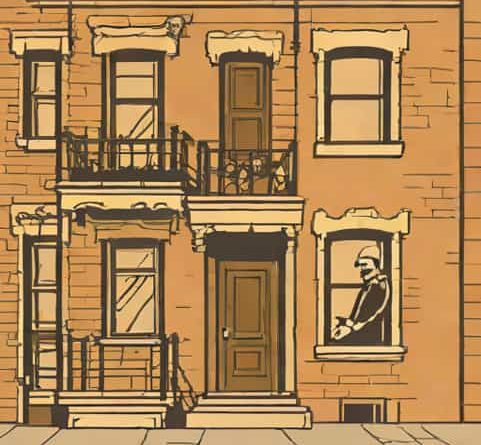
Released during the 1960s, In My Tenement is one of Roosevelt Grier’s most talked-about songs. The title itself evokes images of urban apartment life, where families lived in close quarters, often in buildings that symbolized both community and hardship. Through this song, Grier captured the emotional landscape of tenement living, from the struggles to the sense of belonging. His deep, soulful voice delivered not just notes, but feelings that resonated with listeners who understood or related to that way of life.
The Message of the Song
The power of In My Tenement lies in its portrayal of reality. Unlike songs that idealize wealth or glamour, Grier’s performance painted a picture of modest living conditions. Yet, the song carried a message of pride and perseverance, showing that even in a tenement, there could be joy, love, and dignity. This balance of hardship and hope made the piece relatable across different audiences.
The Cultural Context
To fully appreciate In My Tenement, it’s important to understand the cultural backdrop of its release. The 1960s were a period of immense social change in the United States, with the Civil Rights Movement, shifting economic landscapes, and urban challenges all shaping the lives of millions. Tenements were often associated with working-class families, particularly African American and immigrant communities. Roosevelt Grier’s decision to spotlight this environment in song reflected both a personal connection and a broader social awareness.
Music as Social Commentary
Like many artists of his time, Grier used music to provide commentary on society. In My Tenement stands as an example of how art can reflect the lived experiences of people who are often overlooked in mainstream narratives. While the tenement might have symbolized struggle, Grier’s heartfelt delivery ensured that it also symbolized strength and unity.
Roosevelt Grier’s Musical Career Beyond the Song
While In My Tenement is a standout piece, Grier’s musical career included more than one notable work. He recorded albums and singles that blended elements of soul, gospel, and popular music, allowing him to reach diverse audiences. His background in gospel singing influenced much of his style, giving his songs an emotional resonance that was difficult to ignore.
Performances and Influence
During his singing career, Grier appeared on television shows and shared stages with other notable performers. His presence as both a former athlete and a singer made him a unique figure in entertainment, bridging gaps between sports fans and music enthusiasts. The sincerity he brought to In My Tenement and other works reflected his commitment to authenticity.
The Broader Legacy of Rosey Grier
To discuss Roosevelt Grier only in the context of football or music would be limiting. His legacy is defined by his multidimensional nature. He was also known for his activism and his role in political life. Famously, Grier was present during the assassination of Robert F. Kennedy in 1968 and helped subdue the attacker. This moment cemented his image as a protector, someone whose presence carried weight beyond entertainment.
Challenging Stereotypes
Another key part of Grier’s legacy was his challenge to traditional notions of masculinity. He was open about his interest in crafts like needlepoint, encouraging men to embrace hobbies outside of stereotypical expectations. Songs like In My Tenement further highlighted this softer, reflective side of a man known for his physical power on the football field.
Reception of In My Tenement
The reception of In My Tenement reflects how audiences were ready for music that addressed everyday life. While it may not have reached the commercial success of other mainstream hits of the time, it resonated deeply with those who appreciated its authenticity. Critics praised Grier’s emotional delivery, and fans admired his ability to bring dignity and pride to a subject often associated with struggle.
Enduring Appeal
Decades after its release, In My Tenement continues to be remembered by those who admire Roosevelt Grier’s music. Its themes of resilience, love, and acceptance remain relevant, especially in conversations about community and identity. The song stands as a reminder that art rooted in truth often carries the most lasting impact.
Why In My Tenement Still Matters
Today, listeners can revisit In My Tenement not only as a piece of musical history but also as a reflection of social realities that persist. Tenement living may have evolved, but issues of housing, community, and resilience remain central topics in urban life. Roosevelt Grier’s song provides both a historical lens and a timeless message about finding pride in one’s circumstances.
Lessons from the Song
- Hardship can coexist with joy and pride.
- Music can give voice to communities often ignored by mainstream narratives.
- Art that reflects reality has the power to connect across generations.
Roosevelt Grier’s In My Tenement is more than just a song; it is a cultural statement that blends music with social awareness. By using his platform to highlight everyday realities, Grier demonstrated the power of authenticity in art. His career, from football fields to recording studios, embodied resilience and versatility, qualities that continue to inspire. The song remains a testament to his ability to connect deeply with audiences and to transform lived experience into soulful expression. For anyone exploring the intersection of music, history, and culture, In My Tenement remains an essential piece of Roosevelt Grier’s enduring legacy.