What Is A Ecological Community
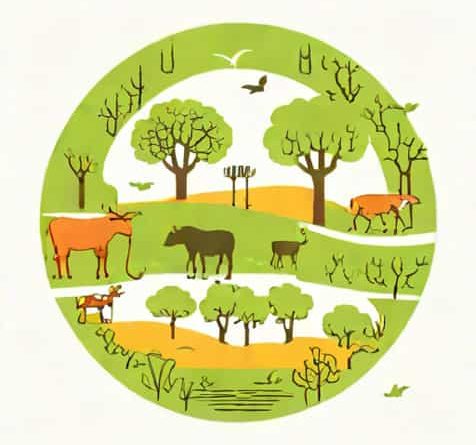
An ecological community is a group of interacting organisms that inhabit the same area and are linked through various ecological relationships, such as competition, predation, and mutualism. These communities form the foundation of ecosystems, influencing energy flow, nutrient cycling, and the overall health of the environment. Understanding what an ecological community is, its components, and how species interact within it is essential for studying biodiversity, conservation, and ecosystem management. By examining ecological communities, scientists can gain insights into the stability, resilience, and dynamics of natural habitats.
Definition of an Ecological Community
An ecological community refers to all the populations of different species that live in a particular area and interact with one another. Unlike a population, which focuses on a single species, a community encompasses multiple species that coexist and form complex networks of relationships. These relationships can be competitive, predatory, symbiotic, or neutral, and they collectively shape the structure and function of the community. Ecological communities vary in size and complexity, ranging from small pond communities to vast forest ecosystems.
Components of an Ecological Community
Ecological communities consist of various components that interact in multiple ways. Key components include
- ProducersAlso known as autotrophs, these are plants, algae, and some bacteria that produce energy through photosynthesis or chemosynthesis. They form the base of the food web.
- ConsumersOrganisms that rely on other species for energy, including herbivores, carnivores, omnivores, and detritivores.
- DecomposersFungi, bacteria, and other organisms that break down dead matter and recycle nutrients back into the ecosystem.
- Abiotic FactorsNon-living components such as soil, water, temperature, and sunlight that influence the community’s structure and functioning.
Types of Ecological Communities
Ecological communities can be categorized based on the environment, dominant species, or the nature of interactions
- Terrestrial CommunitiesFound on land, including forests, grasslands, deserts, and tundra.
- Aquatic CommunitiesInhabit freshwater or marine environments, such as lakes, rivers, coral reefs, and estuaries.
- Plant CommunitiesGroups of plant species that dominate a particular area, often influencing the animals and microorganisms present.
- Microbial CommunitiesComposed of bacteria, archaea, and microscopic eukaryotes, critical for nutrient cycling and soil health.
Interactions Within an Ecological Community
Species within an ecological community interact in numerous ways that shape the community’s dynamics
- CompetitionOccurs when species compete for limited resources such as food, space, or light. This interaction can influence population sizes and species distribution.
- PredationA relationship where one species feeds on another, impacting population control and energy transfer within the community.
- MutualismA cooperative interaction where both species benefit, such as pollinators and flowering plants.
- CommensalismOne species benefits while the other is unaffected, such as birds nesting in trees.
- ParasitismOne organism benefits at the expense of another, often affecting the host’s health and population.
Community Structure and Diversity
The structure of an ecological community refers to the arrangement and relative abundance of species. Diversity is a key aspect, encompassing both species richness (the number of species) and evenness (the relative abundance of each species). High diversity typically enhances stability and resilience, allowing the community to better withstand environmental changes, disturbances, and invasive species. Keystone species, despite their low abundance, can exert a strong influence on community structure and ecosystem functioning.
Succession in Ecological Communities
Ecological communities are dynamic and change over time through a process called succession. Succession involves a series of predictable changes in species composition and structure. There are two main types
- Primary SuccessionOccurs in areas with no previous life, such as bare rock or sand dunes, where pioneer species colonize and gradually modify the environment.
- Secondary SuccessionTakes place in areas previously inhabited but disturbed, such as abandoned fields or after a forest fire, where existing soil and seed banks facilitate regrowth.
Importance of Ecological Communities
Ecological communities play a crucial role in maintaining ecosystem health and providing essential services
- Biodiversity ConservationCommunities support a wide range of species, contributing to genetic diversity and ecosystem resilience.
- Nutrient CyclingInteractions among producers, consumers, and decomposers ensure the recycling of nutrients and energy flow.
- Climate RegulationPlant and microbial communities influence carbon storage and greenhouse gas levels.
- Human BenefitsCommunities provide resources like food, medicine, and raw materials, as well as recreational and cultural value.
Threats to Ecological Communities
Ecological communities face multiple threats that can disrupt their balance and function
- Habitat LossUrbanization, deforestation, and agriculture reduce available habitats for species.
- PollutionChemicals, plastics, and other pollutants can harm organisms and alter community interactions.
- Climate ChangeShifts in temperature, precipitation, and sea levels affect species distribution and community composition.
- Invasive SpeciesNon-native species can outcompete or prey on native species, leading to community disruption.
Studying Ecological Communities
Scientists study ecological communities to understand species interactions, population dynamics, and ecosystem processes. Techniques include field observations, experimental manipulations, and modeling. Research on ecological communities informs conservation strategies, habitat restoration, and sustainable resource management. By analyzing species composition, diversity, and interactions, ecologists can predict responses to environmental changes and develop methods to protect vulnerable communities.
An ecological community is a complex and interconnected system of species living and interacting in a shared environment. Understanding the structure, diversity, and dynamics of these communities is essential for preserving biodiversity, maintaining ecosystem services, and promoting environmental sustainability. Through careful study and conservation, ecological communities can be protected and managed, ensuring the continued health and resilience of ecosystems for future generations. By appreciating the interactions and relationships within ecological communities, humans can better recognize their role in supporting and safeguarding the natural world.