What Is Flank Steak In Spanish
For many people learning to cook or exploring new cuisines, the question what is flank steak in Spanish often comes up when reading bilingual recipes or shopping in markets across Latin America. Understanding the right term helps you buy the correct cut and cook it properly. Flank steak is a flavorful and versatile piece of beef commonly used in grilling, marinating, and slicing thinly for popular dishes. Knowing its Spanish equivalent not only helps travelers and home cooks but also deepens appreciation for the culinary traditions of Spanish-speaking countries.
Understanding What Flank Steak Is
Flank steak comes from the abdominal area of the cow, specifically the lower chest or belly. This section is known for long muscle fibers and relatively low fat. Because of its structure, the meat can be firm if not prepared correctly. However, when marinated and sliced properly, it becomes tender, juicy, and incredibly flavorful.
This cut is popular in grilling cultures and often appears in dishes that emphasize charred edges, smoky aromas, and thin slices. It absorbs marinades quickly, making it ideal for bright, bold flavors like lime, garlic, and various spices. Many traditional Latin American recipes rely on this cut, which is why understanding its Spanish name is so helpful.
The Spanish Term for Flank Steak
The most widely used translation of flank steak in Spanish isfalda. In many supermarkets and butcher shops across Mexico, Central America, and parts of South America, ordering falda will get you a cut that closely matches the flank steak familiar to English speakers.
However, names for meat cuts can vary regionally. Cultural traditions, local butchering methods, and culinary preferences influence the terms used in different Spanish-speaking countries. While falda is the most common and generally accepted term, it is useful to be aware of variations you might encounter depending on where you are.
Regional Variations You May Encounter
In some countries, the butchering process divides the cow differently, leading to a slightly different classification of cuts. This means the term for flank steak may shift or overlap with other parts. Here are a few examples of terms you might hear
- FaldaThe most common and standard term for flank steak in many Spanish-speaking regions.
- Falda de resA more specific phrase often used in markets to clarify beef flank rather than another type of meat.
- VacíoUsed in Argentina and Uruguay, though it may refer to a cut slightly larger than typical flank steak.
- Filete de faldaSometimes used in restaurants or recipes to clearly describe a flank-style portion.
These variations show how culinary language evolves based on local cooking styles. While falda remains the best general answer to what is flank steak in Spanish, becoming familiar with alternatives helps avoid confusion when shopping or reading recipes from different regions.
How Falda Is Typically Used in Spanish-Speaking Countries
Because flank steak has a deep, beefy flavor, it appears in many iconic dishes across Latin America and Spain. Its long muscle fibers make it ideal for grilling, slow cooking, or any method that benefits from slicing the meat thinly. In Spanish-speaking culinary traditions, this cut often plays a central role in family meals, celebrations, and regional specialties.
Popular Dishes That Use Falda
- Carne asadaA staple in Mexican cuisine, often made with marinated falda grilled over open flames.
- FajitasThough not traditionally Mexican, flank steak became a popular choice for sizzling fajita plates in modern cooking.
- Ropa viejaA classic Cuban dish where long-cooked, shredded flank steak is simmered with tomatoes, peppers, and spices.
- Asado argentinoIn Argentina, vacío or falda may be grilled slowly to absorb smoky flavors.
In all these examples, the unique texture of the cut adds character. When prepared well, falda becomes tender and rich without needing a heavy sauce. This versatility contributes to its popularity in both home-style and restaurant cooking.
How to Identify Falda at the Market
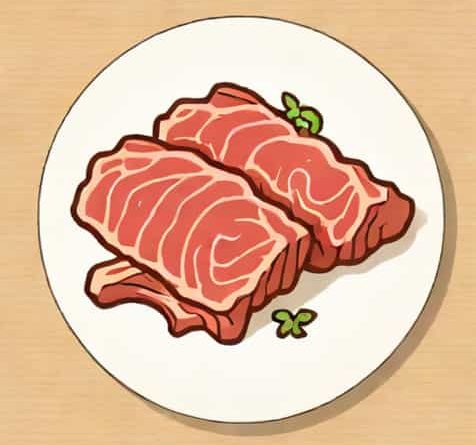
Even if the label uses a different name, recognizing flank steak visually is a valuable skill. The cut is usually thin, wide, and has long, visible muscle grains running across the surface. It often comes in a single flat piece but may be folded or trimmed depending on how the butcher prepares it.
When shopping in a Spanish-speaking country, you can identify falda by its
- Long, parallel muscle fibers
- Lean color with minimal marbling
- Flat and rectangular shape
If you are uncertain, most butchers are happy to assist. Asking for falda para asar (flank steak for grilling) or falda para marinar (flank steak for marinating) usually clarifies your request and ensures you get the right cut.
Cooking Tips for Falda
Because of its distinct grain, flank steak benefits from specific cooking techniques. These methods help achieve tenderness while preserving its robust flavor. Whether you are preparing a Spanish-language recipe or trying a new grilling method, using the right approach enhances the dish significantly.
Best Methods for Tender Results
- Marinate the meatThough not excessively tough, falda becomes more flavorful when marinated with acidic ingredients like lime or vinegar.
- Cook quickly over high heat or slowly over low heat
- Rest the meat before slicing
- Cut against the grain to shorten the muscle fibers
Slicing against the grain is especially important. It transforms the naturally firm texture into tender, easy-to-chew slices suitable for tacos, salads, or stir-fry dishes.
Why It Helps to Know the Spanish Term
Understanding what flank steak is in Spanish does more than help you translate a recipe. It opens the door to richer food experiences when traveling, studying culinary culture, or exploring Latin-inspired cooking at home. Food vocabulary is often deeply tied to tradition, and learning terms like falda helps you connect with local markets, restaurants, and home cooks across Spanish-speaking regions.
Whether you’re preparing carne asada, experimenting with ropa vieja, or simply trying to buy the right cut for grilling, knowing the term broadens your culinary confidence. With this knowledge, you can explore new recipes, understand regional variations, and communicate more effectively when buying ingredients.
In summary, the answer to what is flank steak in Spanish is primarily falda, though other regional names like vacío can appear depending on where you are. By understanding this terminology, you can confidently navigate Spanish-language recipes, shop more effectively in Latin American markets, and enjoy the full potential of this flavorful cut. Falda remains a favorite for its versatility, strong flavor, and ability to complement countless traditional dishes.