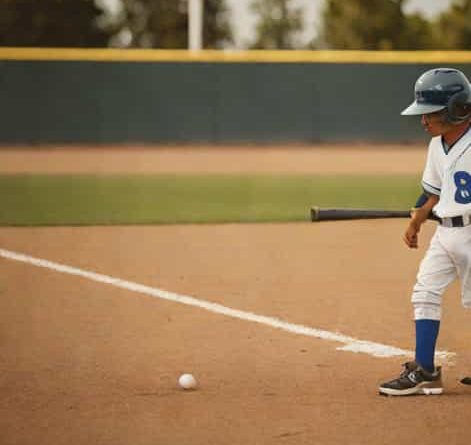
Youth Baseball Pregame Routine
Youth baseball pregame routines are essential for young athletes to prepare physically, mentally, and emotionally for a game. Establishing a consistent pregame routine helps players perform at their best, reduces the risk of injury, and builds confidence on the field. A good pregame routine encompasses warm-up exercises, skill drills, mental preparation, team discussions, and proper nutrition. Coaches, parents, and players often emphasize the importance of a structured routine to ensure that every athlete feels ready and focused before stepping onto the field. By understanding and practicing these routines, youth baseball players can develop habits that contribute to long-term success and enjoyment of the sport.
Physical Warm-Up
One of the first components of a youth baseball pregame routine is a proper physical warm-up. Warming up prepares the muscles, joints, and cardiovascular system for the physical demands of the game. It reduces the risk of injuries such as strains, sprains, and muscle pulls.
Stretching Exercises
Dynamic stretching is recommended as part of the pregame warm-up. This includes movements like arm circles, leg swings, and torso twists, which help increase blood flow and flexibility. Stretching should target major muscle groups used in baseball, including shoulders, arms, legs, and core muscles.
Jogging and Cardiovascular Activity
A short jog or light running is effective for raising heart rate and enhancing circulation. This helps the body transition from a resting state to the active state required for gameplay. Jogging around the field or doing shuttle runs can be an effective warm-up technique.
Skill-Specific Drills
After the general warm-up, players should focus on baseball-specific skills. These drills help reinforce muscle memory, improve coordination, and enhance game performance.
Throwing and Catching
Players should practice short and long throws with teammates, focusing on accuracy and proper technique. Catching drills, including fly balls and grounders, help sharpen defensive skills and prepare players for in-game situations.
Hitting Practice
Batting practice is crucial for preparing the offensive aspect of the game. Players can take swings in the batting cage, off a tee, or with soft toss drills to warm up their swing mechanics and timing.
Base Running Drills
Practicing base running, including leads, steals, and sliding techniques, ensures that players are confident and ready for in-game situations. This part of the pregame routine also enhances agility and quick decision-making on the bases.
Mental Preparation
Mental preparation is just as important as physical readiness. Youth baseball players benefit from strategies that help them focus, manage stress, and build confidence before a game.
Visualization Techniques
Players can visualize successful plays, such as hitting a home run, making a catch, or executing a perfect throw. Visualization helps build confidence and prepares the mind for real-game scenarios.
Positive Self-Talk
Encouraging players to use positive self-talk can improve mindset and motivation. Phrases like I can do this or I am ready help reduce anxiety and maintain focus during the game.
Goal Setting
Setting achievable goals for the game, such as focusing on proper mechanics or maintaining effort on every play, provides direction and purpose. These goals should be realistic and individualized for each player.
Team Discussion and Strategy
A youth baseball pregame routine should include team meetings or huddles to review strategy, lineup, and game objectives. Coaches often use this time to emphasize teamwork, roles, and sportsmanship.
Lineup Review
Players should understand their positions, batting order, and any special assignments. This reduces confusion during the game and ensures smooth coordination on the field.
Strategy and Game Plan
Discussing strategies, such as defensive positioning, pitch selection, and base running tactics, helps the team execute plays effectively. Coaches may also review opponent tendencies and key focus areas.
Team Motivation
Pregame talks can boost morale and team cohesion. Encouraging words, pep talks, and affirmations help build confidence and a positive mindset among all players.
Nutrition and Hydration
Proper nutrition and hydration are essential components of a pregame routine. They provide the energy and focus needed for optimal performance.
Healthy Snacks
Light snacks like fruits, granola bars, or yogurt can provide energy without causing discomfort. Players should avoid heavy or greasy foods that may affect performance.
Hydration
Drinking water before the game ensures proper hydration and helps maintain stamina. Coaches often remind players to take small, consistent sips to prevent dehydration, especially in hot weather.
Personal Preparation and Equipment Check
Ensuring that all personal equipment is ready and in good condition is another key step in a youth baseball pregame routine. This reduces distractions and ensures players are focused on the game.
Equipment Check
Players should verify that gloves, bats, helmets, cleats, and uniforms are in proper condition. Any missing or damaged equipment should be addressed before the game begins.
Personal Comfort
Adjusting equipment for comfort, such as tightening cleats or adjusting gloves, allows players to move freely and confidently. This attention to detail contributes to optimal performance and reduces the risk of injury.
A well-structured youth baseball pregame routine prepares players physically, mentally, and emotionally for competition. From dynamic warm-ups and skill-specific drills to mental preparation, team strategy discussions, nutrition, and equipment checks, every component contributes to game readiness. Coaches and parents play a crucial role in guiding young athletes through these routines, ensuring they build positive habits that enhance performance and enjoyment of the sport. By consistently practicing a comprehensive pregame routine, youth baseball players can approach each game with confidence, focus, and the energy needed to succeed on the field.