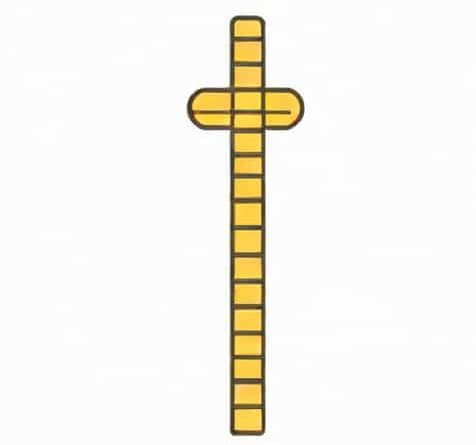
Uses Of Ranging Pole
A ranging pole is a simple but highly useful tool in the field of surveying and civil engineering. It is typically a long, slender rod, often painted with alternating red and white or black and white sections to make it more visible from a distance. While it may look basic compared to modern surveying equipment, its applications are significant in both small-scale and large-scale projects. The uses of ranging poles extend from marking positions and aligning survey lines to aiding in mapping and construction layouts. Understanding how this tool is applied can provide insight into why it remains relevant even in an age of advanced technology.
Basic Purpose of a Ranging Pole
Marking Survey Points
One of the most common uses of a ranging pole is to mark survey points on the ground. Surveyors use these poles to indicate specific locations that need to be measured, ensuring that measurements are taken from precise reference points. Their tall, visible design makes them ideal for marking positions that need to be seen from long distances.
Line of Sight Alignment
Surveyors often need to create straight lines between two points for measurements or construction layouts. Ranging poles help achieve this by acting as visible markers along the desired path. By placing poles at intervals, surveyors can ensure proper alignment and straightness across uneven terrain.
Uses of Ranging Pole in Surveying
Chain Surveying
In traditional chain surveying, ranging poles are indispensable. When using chains or tapes to measure distances, poles are placed at intermediate points to guide surveyors in keeping the measurement line straight. This reduces errors and ensures accuracy in field measurements.
Triangulation and Traversing
When creating a network of triangles or traverses to map an area, ranging poles are used to mark the vertices of each triangle or traverse point. This visual aid simplifies the process of measuring angles and distances, especially when covering large plots of land.
Temporary Reference Marks
In cases where permanent markers like boundary stones are not available, ranging poles can serve as temporary reference points. They provide a practical solution for ongoing projects where positions must be re-checked or adjusted frequently.
Applications in Construction
Setting Out Works
Before construction begins, it is crucial to set out the dimensions of the building or structure. Ranging poles help in transferring measurements from plans onto the ground. For example, when laying the foundation of a building, poles indicate the boundaries and corners of the excavation area.
Road Alignment
In road construction, ranging poles are used to maintain alignment over long stretches. Engineers place poles at regular intervals along the proposed road path to guide excavation and construction crews. This prevents deviations that could cause costly adjustments later.
Leveling and Elevation Control
Although more advanced instruments like leveling staffs are common, ranging poles can also assist in leveling operations. They act as guide markers when determining elevation differences between two points, especially during preliminary works.
Additional Uses Beyond Surveying
Educational Training
Ranging poles are widely used in teaching surveying techniques. Training institutes and universities often rely on them to give students practical experience in the field. By practicing with poles, students learn how to align, measure, and map terrain accurately.
Archaeological Studies
In archaeology, ranging poles are sometimes used to mark excavation boundaries and align grids. Their visibility helps teams maintain order in excavation sites, ensuring that the dig is carried out systematically.
Forestry and Environmental Studies
Environmental researchers and forestry teams use ranging poles to mark plots for tree surveys, soil sampling, or ecological studies. By dividing land into visible sections, they can monitor changes in vegetation or land use over time.
Advantages of Using Ranging Poles
- Lightweight and easy to carry during fieldwork
- Highly visible from long distances due to contrasting colors
- Useful in both temporary and permanent marking tasks
- Durable enough to withstand outdoor environments
- Affordable compared to advanced surveying instruments
Limitations of Ranging Poles
While ranging poles are extremely useful, they do have some limitations. They depend heavily on clear lines of sight, which means they are less effective in densely forested areas or hilly terrains where visibility is restricted. Additionally, they cannot provide exact measurements on their own; they must be used in conjunction with other surveying tools such as chains, tapes, or theodolites.
Comparison with Modern Equipment
Modern surveying equipment such as total stations and GPS devices can measure and align with greater precision. However, ranging poles still hold importance because they provide quick visual references without the need for power or complex setups. They are especially handy in rural areas or small-scale projects where advanced technology may not be available or necessary.
Best Practices for Using Ranging Poles
- Ensure poles are firmly placed in the ground to avoid displacement during measurements.
- Use poles with alternating bright colors for maximum visibility.
- Position poles in straight alignment by viewing them from a distance.
- Regularly check for wear and repaint faded sections for long-term use.
- Combine with other instruments like tapes or compasses for higher accuracy.
Real-World Examples of Their Use
Urban Planning
Surveyors working on city infrastructure projects use ranging poles to mark out areas for drainage, utilities, or new buildings. They help create accurate ground layouts before any construction starts.
Agricultural Land Division
Farmers and agricultural planners sometimes rely on ranging poles when dividing land for irrigation or crop planting. They provide a simple and cost-effective method for ensuring straight furrows and accurate field divisions.
Small Engineering Projects
For projects like building driveways, fences, or small structures, ranging poles are convenient tools. They allow precise alignment and marking without requiring advanced surveying technology.
The uses of ranging poles span across surveying, construction, archaeology, education, and environmental studies. They remain an essential part of fieldwork despite the availability of advanced technology. Their simplicity, visibility, and affordability make them practical for marking, aligning, and guiding work on the ground. Whether used in chain surveying, setting out roads, or training future surveyors, ranging poles continue to prove their value. While modern instruments may offer higher precision, ranging poles provide reliability and accessibility that ensure their continued relevance in many industries.