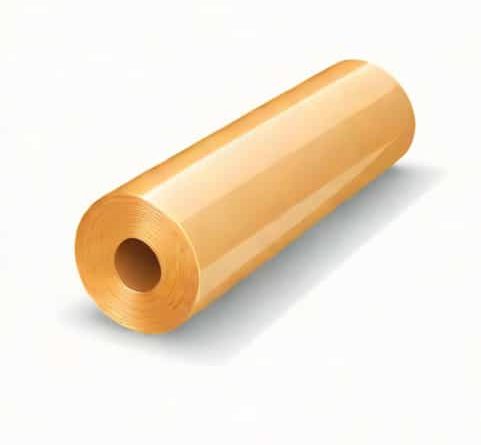
Roll Of Plastic Wrap
The roll of plastic wrap is a common household item found in kitchens around the world, serving a variety of purposes from food storage to everyday convenience. Despite its simple appearance, plastic wrap plays a significant role in preserving freshness, reducing waste, and maintaining hygiene in food preparation and storage. It is a thin, flexible, and transparent film that clings to containers, bowls, and food items, creating an airtight seal that helps prolong shelf life. Understanding the uses, types, and proper handling of plastic wrap highlights its importance in both domestic and commercial settings, as well as its impact on modern food practices.
History and Development of Plastic Wrap
Plastic wrap, also known as cling film or stretch film, was first developed in the early 20th century. Initially made from cellulose, it later evolved into polyethylene and polyvinyl chloride (PVC) versions, which offered improved flexibility, clarity, and durability. The product gained widespread popularity in the 1950s and 1960s as households began to prioritize food safety, convenience, and longer shelf life. Today, plastic wrap is manufactured in various thicknesses, widths, and formulations, catering to both consumer and industrial needs.
Materials and Types
Modern plastic wrap is typically made from either low-density polyethylene (LDPE), polyvinyl chloride (PVC), or polyvinylidene chloride (PVDC). Each material has specific properties that make it suitable for different applications
- LDPEFlexible, non-toxic, and safe for use with food, but slightly less clingy.
- PVCOffers excellent cling properties and transparency, widely used in household kitchens.
- PVDCProvides superior barrier protection against moisture and oxygen, commonly used in commercial food packaging.
Primary Uses of Plastic Wrap
Plastic wrap serves a variety of purposes in homes, restaurants, and food industries. Its main function is to preserve food by creating an airtight barrier that slows down the spoilage process. The film prevents exposure to air, moisture, and contaminants, maintaining the flavor, texture, and nutritional value of perishable items. Additionally, plastic wrap is used to cover dishes during storage, wrap leftovers, and protect food during transport. Beyond food, it is also applied in other areas such as covering items for storage, protecting surfaces during painting, and even in packaging fragile items for shipping.
Food Preservation and Storage
Plastic wrap is particularly effective for keeping fruits, vegetables, meats, and dairy products fresh. By sealing containers or directly wrapping food items, it prevents exposure to bacteria and air, which can cause spoilage. For example, wrapping cut fruits in plastic wrap can prevent oxidation and maintain their vibrant color, while covering a bowl of leftovers ensures that flavors remain intact and contamination is minimized. In commercial kitchens, plastic wrap is often used to store pre-prepared ingredients safely until they are ready for use.
Convenience in Cooking and Meal Preparation
Plastic wrap also plays a vital role in cooking and meal preparation. It allows for easy marination of meats and vegetables, as the wrap helps distribute flavors evenly while keeping the ingredients contained. It is used in microwaving, provided it is labeled as microwave-safe, to cover dishes and prevent splattering. Additionally, plastic wrap can assist in shaping dough, protecting rising bread, and storing pre-portioned ingredients, making kitchen operations more efficient and organized.
Environmental Considerations
While plastic wrap offers convenience and utility, it also raises environmental concerns. Traditional plastic wraps are made from non-biodegradable materials, contributing to plastic pollution when disposed of improperly. Efforts are being made to develop eco-friendly alternatives, such as biodegradable wraps made from plant-based materials or compostable films. Recycling options are limited due to contamination from food, but initiatives encouraging responsible disposal and the use of sustainable alternatives aim to reduce the environmental impact of plastic wrap.
Eco-Friendly Alternatives
- Beeswax wraps Reusable, biodegradable, and safe for food contact.
- Compostable films Made from plant starches or cellulose, break down naturally over time.
- Reusable silicone covers Flexible and washable, can replace disposable plastic wrap in many situations.
- Paper-based wraps Coated with food-safe wax or other protective layers to maintain freshness.
Proper Usage and Safety Tips
Using plastic wrap correctly ensures maximum effectiveness and safety. The film should be kept away from heat sources that could melt or release harmful chemicals. It is important to use wraps labeled as food-grade when in direct contact with consumables. For microwave use, special microwave-safe wraps should be employed to prevent melting or chemical leaching. Additionally, keeping plastic wrap in its original packaging or a dedicated dispenser can prevent contamination and ease handling.
Practical Tips for Consumers
- Always wash hands before handling plastic wrap to maintain hygiene.
- Use a cutting edge or built-in dispenser to prevent tearing and wastage.
- Store wrapped food at the appropriate temperature to enhance freshness.
- Label wrapped items with dates to track freshness and reduce food waste.
- Consider reusable alternatives to minimize environmental impact.
Applications Beyond the Kitchen
Plastic wrap is not limited to food storage and preparation. Its versatile properties make it useful in various non-food applications. In household settings, it can protect surfaces from dust or spills during painting and renovation. In shipping and packaging, it secures fragile or awkwardly shaped items, providing a protective layer that prevents scratches or shifting during transit. Plastic wrap is also used in medical and laboratory environments to cover equipment and maintain sterile conditions, showcasing its adaptability and wide-ranging usefulness.
Industrial and Commercial Uses
In commercial industries, plastic wrap is produced in larger rolls for food packaging, pallet wrapping, and product bundling. Its stretchable, durable properties make it ideal for securing goods during storage and transport. Industrial-grade wraps may include additional features such as anti-static properties or UV protection, catering to specialized requirements in manufacturing, warehousing, and logistics. This demonstrates the material’s versatility beyond everyday household use.
The roll of plastic wrap is a versatile and indispensable tool in modern life, offering convenience, food preservation, and protection across multiple settings. From household kitchens to industrial packaging and medical applications, its ability to create airtight seals and protect items makes it invaluable. While environmental concerns prompt a shift toward eco-friendly alternatives, the practicality and effectiveness of plastic wrap continue to make it a staple in daily routines. Understanding its uses, materials, and proper handling not only maximizes its benefits but also encourages responsible consumption, balancing convenience with environmental responsibility.