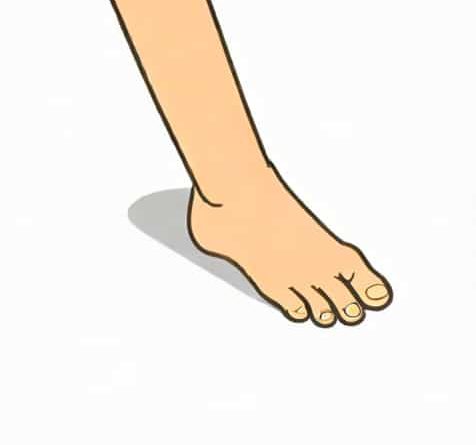
What Is Clubbed Feet
Clubbed feet, medically known as congenital talipes equinovarus (CTEV), is a birth condition where a newborn’s feet are twisted out of their normal position. This condition can affect one or both feet and is characterized by the foot pointing downward and inward, creating a distinct appearance that can make walking difficult if left untreated. Clubbed feet are typically identified at birth, allowing for early intervention, which greatly improves outcomes. Understanding what clubbed feet are, their causes, symptoms, treatment options, and long-term outlook is crucial for parents, caregivers, and healthcare professionals to ensure proper care and mobility for affected children.
Causes of Clubbed Feet
The exact cause of clubbed feet is not fully understood, but it is believed to result from a combination of genetic and environmental factors. In some cases, clubbed feet occur as part of a syndrome or as an isolated congenital deformity. Potential causes include
- Genetic FactorsFamily history of clubbed feet increases the likelihood of the condition in newborns, suggesting a hereditary component.
- Abnormal Fetal PositioningLimited space in the womb or unusual positioning of the fetus may contribute to the development of clubbed feet.
- Neuromuscular ConditionsCertain conditions, such as spina bifida or cerebral palsy, can be associated with the development of clubbed feet due to muscle imbalances or abnormal nerve function.
- Environmental FactorsExposure to certain medications or illnesses during pregnancy may play a role, though this is less common.
Signs and Symptoms of Clubbed Feet
Recognizing the signs of clubbed feet early is essential for prompt treatment. Common signs and symptoms include
- Feet that are turned inward and downward.
- Shortened Achilles tendons, making the heel appear elevated.
- Smaller or abnormally shaped foot compared to the other foot if only one is affected.
- Stiffness in the foot, making it difficult to move.
- Calf muscle underdevelopment due to altered foot positioning and reduced use.
It is important to note that clubbed feet are painless at birth, and children can generally kick and move their feet, though the deformity is noticeable.
Diagnosis of Clubbed Feet
Diagnosis of clubbed feet typically occurs immediately after birth during a routine physical examination. Healthcare providers assess the shape, flexibility, and range of motion of the infant’s feet. In some cases, prenatal ultrasounds may detect the condition before birth. Additional imaging, such as X-rays, may be performed to understand the severity of the deformity and guide treatment planning.
Classification
Clubbed feet can be classified based on severity
- Flexible ClubfootThe foot can be partially manipulated into a normal position.
- Rigid ClubfootThe foot is stiff and resistant to movement.
- Idiopathic ClubfootOccurs without any associated conditions and is the most common type.
- Non-Idiopathic ClubfootAssociated with other syndromes or neuromuscular disorders.
Treatment Options for Clubbed Feet
Early treatment is essential to correct clubbed feet and enable normal walking and foot function. Several approaches are used depending on the severity and flexibility of the deformity.
Ponseti Method
The Ponseti method is the most widely used and effective treatment for clubbed feet. This approach involves
- Gentle manipulation of the foot to gradually move it into the correct position.
- Application of casts to maintain the corrected position, typically changed weekly.
- A minor procedure called tenotomy to release the Achilles tendon if necessary.
- Use of a brace after casting to prevent relapse and maintain correction over time.
The Ponseti method boasts a high success rate, particularly when started soon after birth, and is less invasive than surgical options.
Surgical Treatment
In cases where non-surgical methods are insufficient, surgery may be required to correct clubbed feet. Surgical options may involve
- Releasing tight tendons and ligaments.
- Realigning bones and joints.
- Correcting muscle imbalances to improve foot function.
Post-surgical care typically involves casting, physical therapy, and use of braces to maintain alignment.
Physical Therapy and Rehabilitation
Physical therapy plays a critical role in maintaining mobility and muscle strength following treatment. Exercises focus on
- Improving flexibility of the foot and ankle.
- Strengthening calf muscles and other leg muscles.
- Supporting balance and gait development as the child grows.
Prognosis and Long-Term Outlook
With timely and appropriate treatment, children with clubbed feet can lead active, normal lives. Most treated cases result in fully functional feet with normal walking and running abilities. Ongoing monitoring during childhood ensures that any potential relapses are addressed promptly. Some mild cases may require occasional adjustments or interventions later in life, but the long-term outcomes are generally positive.
Prevention and Early Intervention
While congenital clubbed feet cannot always be prevented due to genetic or developmental factors, early detection and intervention significantly improve outcomes. Prenatal care, including ultrasounds, can help identify potential deformities, allowing parents and healthcare providers to plan for immediate postnatal treatment. Following recommended treatment protocols, including casting, bracing, and physical therapy, helps prevent complications and supports healthy foot development.
Support for Families
Parents and caregivers of children with clubbed feet benefit from guidance, education, and emotional support. Pediatric orthopedic specialists, physical therapists, and support groups provide resources to navigate treatment, monitor progress, and ensure the child achieves optimal mobility. Education about proper brace use, exercises, and monitoring for potential relapses is crucial for successful long-term outcomes.
Awareness and Advocacy
Awareness campaigns and advocacy organizations help educate the public about clubbed feet, promote early diagnosis, and support research for improved treatment methods. These efforts contribute to better understanding and acceptance of children with congenital deformities, reducing stigma and promoting inclusive environments.
Clubbed feet is a congenital condition characterized by a downward and inward twisting of the feet, impacting one or both feet in newborns. While the causes are multifactorial, involving genetic, environmental, and neuromuscular factors, early diagnosis and intervention provide the best outcomes. The Ponseti method remains the gold standard treatment, supported by physical therapy and, in some cases, surgical procedures. With timely care, children with clubbed feet can achieve normal mobility and lead active, fulfilling lives. Education, awareness, and ongoing support for families play a key role in ensuring successful treatment and promoting the well-being of affected children.
Overall, understanding what clubbed feet are, recognizing the signs, and pursuing early, effective treatment empowers families and healthcare providers to achieve optimal outcomes. With advancements in pediatric orthopedics, children born with clubbed feet have a bright future with minimal limitations, highlighting the importance of awareness, prompt action, and continued care.