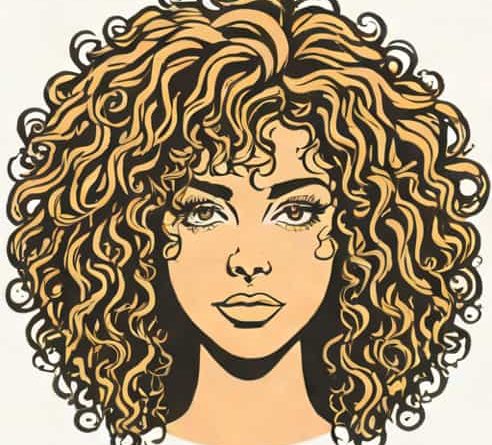
Is Curly Hair Coarse
Curly hair is often admired for its volume, bounce, and natural beauty, but it also comes with unique characteristics and challenges that can differ significantly from straight hair. One common question many people ask is, Is curly hair coarse? Understanding hair texture, porosity, and curl patterns can help clarify this question and guide individuals in choosing the right hair care routine. While curly hair can sometimes feel coarse, it is not inherently coarse; its texture depends on factors like genetics, hair strand diameter, and the shape of the follicle. Exploring these aspects can help demystify curly hair characteristics and provide practical tips for maintaining healthy, well-nourished curls.
What Does Coarse Hair Mean?
Coarse hair refers to hair strands that have a larger diameter and feel thicker or rougher to the touch. This type of hair often requires more moisture and care because the natural oils from the scalp may have difficulty traveling down the hair shaft. Coarseness is different from hair density or volume; it specifically relates to the thickness of each individual strand. Hair can be fine, medium, or coarse, and this classification plays a crucial role in determining hair care practices and product choices.
Characteristics of Coarse Hair
- Feels rough or thick when touched.
- Appears strong and resistant to breakage.
- May require more hydration to prevent dryness.
- Holds styles well but can be prone to frizz.
- Can appear voluminous even with fewer strands.
Curly Hair and Its Unique Structure
Curly hair has a distinctive structure compared to straight hair, which can influence its feel and appearance. The curl pattern is determined by the shape of the hair follicle, which can be oval or asymmetrical, causing the hair to curl as it grows. This natural curl can make the hair feel coarser than straight hair, even when the strand diameter is similar. Additionally, the twists and turns of curly hair can prevent natural scalp oils from evenly coating the hair, which may lead to dryness and a rougher texture.
Types of Curly Hair
- Wavy (Type 2)Loose, gentle waves that can range from fine to medium in texture.
- Curly (Type 3)Well-defined curls that tend to shrink and may feel drier due to oil distribution challenges.
- Coily/Kinky (Type 4)Tight curls or coils that can be very fragile and require intensive moisture care.
Is Curly Hair Always Coarse?
The short answer is no-curly hair is not automatically coarse. Curly hair can be fine, medium, or coarse in diameter, just like straight hair. However, its natural curl pattern can make it feel rougher or drier, leading some people to perceive it as coarse. Environmental factors, hair care routines, and genetics also play a role in determining the texture of curly hair. For instance, improper moisture balance or excessive heat styling can make curly hair feel coarser than it naturally is.
Factors Influencing Hair Coarseness
- Genetics Hair thickness and curl pattern are inherited traits that affect coarseness.
- Porosity High-porosity hair absorbs and loses moisture quickly, which can make curls feel rougher.
- Hair Health Damage from heat, chemicals, or environmental stressors can contribute to coarse-feeling hair.
- Humidity and Climate Environmental conditions affect hair texture, often increasing frizz and roughness in curly hair.
Hair Care Tips for Curly Hair
Whether curly hair is naturally coarse or fine, proper hair care is essential to maintain healthy, hydrated, and well-defined curls. The right routine can minimize dryness, reduce frizz, and enhance the natural beauty of curls, making them softer and more manageable.
Essential Hair Care Practices
- Moisturize RegularlyUse leave-in conditioners or curl creams to keep hair hydrated.
- Avoid Excessive HeatLimit heat styling tools to prevent damage and maintain natural curl texture.
- Gentle DetanglingUse wide-tooth combs or fingers to detangle hair when wet, reducing breakage.
- Protective HairstylesBraids, twists, and buns can minimize tangling and breakage.
- Use Sulfate-Free ShampoosGentle cleansers help retain natural oils and moisture.
Products That Work Well for Curly Hair
Choosing the right products is key to managing curly hair and controlling coarseness. Hydrating shampoos, nourishing conditioners, curl-defining creams, and oils that seal in moisture are all helpful. Products that focus on enhancing natural curl patterns without weighing hair down contribute to healthier, softer curls.
Recommended Ingredients
- Shea butter and coconut oil for deep hydration.
- Aloe vera for moisture and scalp health.
- Glycerin for attracting and retaining water in hair strands.
- Lightweight oils like argan or jojoba for sealing in moisture without heaviness.
- Hydrolyzed proteins to strengthen hair and reduce breakage.
Common Misconceptions About Curly Hair
Many people mistakenly assume that curly hair is always coarse or difficult to manage. While curly hair can require special care due to its natural texture, it is not inherently coarse. Each individual’s hair is unique, and proper care, hydration, and styling methods can make even tightly coiled hair soft, smooth, and healthy. Dispelling myths about curl texture encourages better hair care practices and helps people embrace their natural curls confidently.
Myth vs. Reality
- MythAll curly hair is coarse.RealityCurly hair can be fine, medium, or coarse; curl pattern influences perception.
- MythCurly hair cannot be soft.RealityProper moisturizing and conditioning can make curly hair soft and manageable.
- MythCoarse hair is unmanageable.RealityWith correct techniques, even coarse curly hair can look healthy and defined.
Curly hair is a beautiful and versatile hair type with its own unique characteristics. While it can sometimes feel coarse due to its curl pattern and natural dryness, it is not automatically coarse by definition. Hair texture is determined by strand diameter, follicle shape, and individual genetics, rather than curl alone. Understanding the distinctions between coarseness and curl, along with proper hair care practices, can help anyone maintain healthy, vibrant curls. By using moisturizing products, gentle styling techniques, and protective routines, curly hair of all types can be soft, manageable, and visually stunning. Embracing the natural beauty of curls while caring for their unique needs ensures that every strand remains healthy and full of life.