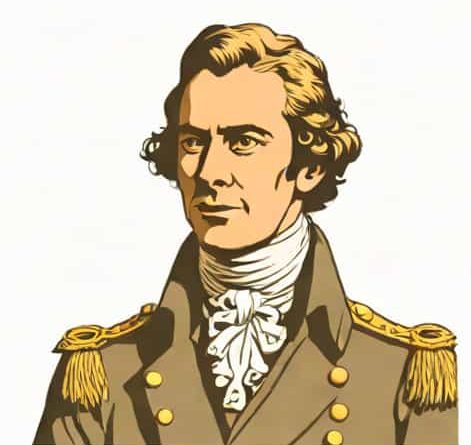
Who Was Nathan Hale
Nathan Hale was an American soldier and spy during the Revolutionary War, remembered as one of the earliest American heroes for his courage and patriotism. Born on June 6, 1755, in Coventry, Connecticut, Hale grew up in a time of growing tension between the American colonies and Great Britain. He attended Yale College, where he excelled academically and developed a strong sense of duty and commitment to the ideals of liberty. Hale’s life, though tragically short, became emblematic of the spirit of sacrifice and loyalty that defined the fight for American independence. His story has endured through centuries as a symbol of bravery and devotion to country, inspiring generations of Americans and historians alike.
Early Life and Education
Nathan Hale was born to Richard and Elizabeth Hale in Connecticut, where he grew up in a modest but supportive family environment. From a young age, he demonstrated intelligence, discipline, and a keen interest in learning. Hale entered Yale College at the age of 14, an impressive feat at the time, and graduated with honors in 1773. While at Yale, he cultivated skills in classical studies, languages, and rhetoric, which would later serve him in his role as a spy. His education also strengthened his sense of civic duty and commitment to moral principles, shaping the values that would define his later military service.
Military Career Begins
After completing his education, Hale became a schoolteacher, but his life took a dramatic turn with the outbreak of the Revolutionary War in 1775. Motivated by a desire to serve the cause of independence, he joined the Continental Army, enlisting as a captain in a Connecticut regiment. Hale quickly earned a reputation for bravery, discipline, and leadership, participating in early military campaigns against British forces. His dedication to the revolutionary cause led him to volunteer for dangerous assignments, reflecting his unwavering commitment to the fight for liberty.
Role as a Spy
In September 1776, General George Washington appointed Nathan Hale as a spy, entrusting him with the dangerous mission of gathering intelligence on British troop movements in New York. Disguised as a schoolteacher and posing as a loyalist, Hale ventured behind enemy lines to collect critical information that could aid the Continental Army. His mission required both courage and cunning, as discovery by the British would mean almost certain execution. Hale’s willingness to undertake such a perilous task highlights his exceptional bravery and dedication to the revolutionary cause.
Capture and Execution
Tragically, Nathan Hale’s espionage mission was compromised, and he was captured by British forces. On September 22, 1776, at the age of 21, he was hanged in New York City for spying. Before his execution, Hale reportedly expressed his patriotic devotion with the famous words, I only regret that I have but one life to lose for my country. These words have become a defining quote in American history, embodying the spirit of self-sacrifice and national loyalty that Hale represented. His death turned him into a martyr for the revolutionary cause, symbolizing the high stakes and personal risks faced by those fighting for independence.
Legacy and Historical Significance
Nathan Hale’s legacy extends far beyond his brief life. He is remembered as the first American spy to achieve widespread fame, and his courage continues to inspire military personnel, historians, and patriotic citizens. Monuments, schools, and public institutions have been named in his honor, preserving his story for future generations. His example of integrity, bravery, and selflessness remains a cornerstone in the narrative of American heroism. Hale’s life demonstrates the profound impact an individual can have through courage and commitment, even in the face of overwhelming danger.
- Born June 6, 1755, in Coventry, Connecticut
- Attended Yale College, graduating in 1773
- Served as a captain in the Continental Army
- Volunteered as a spy for the revolutionary cause
- Captured and executed by the British on September 22, 1776
- Famous quote I only regret that I have but one life to lose for my country
- Legacy includes monuments, schools, and recognition as an American hero
Commemoration and Cultural Impact
Throughout American history, Nathan Hale has been commemorated as a symbol of youthful courage and patriotic devotion. Statues and memorials in his honor stand in locations including New York City, Connecticut, and Washington, D.C., reminding citizens of his sacrifice. Annual ceremonies and educational programs ensure that his story continues to inspire awareness of the Revolutionary War and the principles for which it was fought. His image has also been featured on postage stamps, artwork, and literature, embedding him firmly in the cultural consciousness as a model of heroism.
Influence on American Values
Nathan Hale’s life and ultimate sacrifice highlight themes of honor, courage, and commitment to justice, which remain central to American identity. His willingness to risk everything for the collective good underscores the values of duty and selflessness that are celebrated in military and civic traditions. By exemplifying these principles, Hale provides a historical touchstone for discussions about patriotism, morality, and the responsibilities of citizenship. His story continues to resonate in educational curricula and public discourse, ensuring that the lessons of his bravery are not forgotten.
Nathan Hale’s brief but remarkable life embodies the ideals of heroism, sacrifice, and unwavering devotion to country. From his early education and academic accomplishments to his military service and espionage mission, Hale demonstrated extraordinary courage and a profound sense of duty. His execution at the age of 21 cemented his status as a martyr and symbol of American independence. Today, Nathan Hale is celebrated not only as a historical figure but also as an enduring inspiration, reminding generations of the enduring power of bravery, integrity, and commitment to the greater good. His legacy continues to define what it means to serve one’s country with honor and dedication.