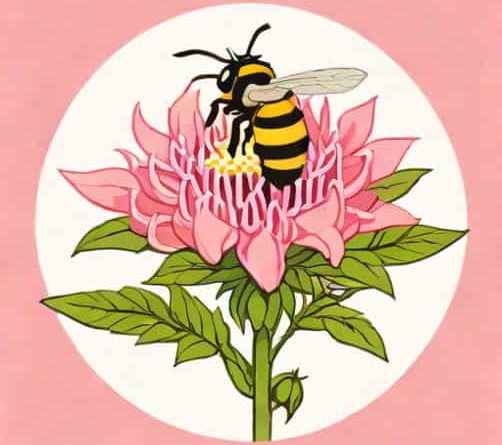
Bee Balm Balmy Pink
Bee balm Balmy Pink is a vibrant and versatile perennial plant known for its striking pink blooms and aromatic foliage. Part of the Monarda genus, bee balm is a favorite among gardeners for its ability to attract pollinators such as bees, butterflies, and hummingbirds, while adding a splash of color to gardens and landscapes. The Balmy Pink variety is particularly admired for its long-lasting flowers, compact growth habit, and ease of care, making it suitable for both beginners and experienced gardeners seeking low-maintenance yet visually appealing plants. Beyond its ornamental value, bee balm has historical uses in herbal medicine and culinary applications, further enhancing its appeal.
Characteristics of Bee Balm Balmy Pink
Bee balm Balmy Pink is distinguished by its soft pink flower clusters, which bloom from mid to late summer. The plant typically reaches a height of 18 to 24 inches and spreads about 18 inches, forming a dense, bushy clump. Its square stems and aromatic leaves are characteristic of the mint family, to which it belongs. The flowers are tubular, making them particularly attractive to pollinators, while the foliage releases a pleasant fragrance when touched, adding sensory appeal to any garden.
Growing Conditions
Balmy Pink thrives in full sun but can tolerate partial shade, making it adaptable to a variety of garden settings. It prefers well-drained soil enriched with organic matter but is generally forgiving of different soil types, including sandy or clay soils. Regular watering during dry spells helps maintain healthy foliage and prolonged blooming. While bee balm is hardy and resilient, spacing the plants properly ensures adequate airflow, reducing the risk of powdery mildew, a common fungal issue with Monarda species.
Planting and Maintenance
Planting bee balm Balmy Pink is straightforward, whether starting from seeds, cuttings, or nursery-grown plants. For seeds, sow them indoors 6 to 8 weeks before the last frost date and transplant seedlings once the risk of frost has passed. Nursery plants can be planted directly in the garden in spring or early summer. Mulching around the base helps retain soil moisture and suppress weeds, while deadheading spent blooms encourages continuous flowering throughout the season.
Pruning and Care
Pruning bee balm Balmy Pink is essential for maintaining its shape and preventing disease. Cutting back the stems after the first flush of flowers can promote a second bloom later in the season. At the end of the growing season, trim the plant to a few inches above the ground to prepare it for winter dormancy. This routine care ensures vigorous growth and abundant blooms year after year.
Attracting Pollinators
One of the most significant benefits of planting Balmy Pink is its ability to attract pollinators. Bees, butterflies, and hummingbirds are naturally drawn to the tubular pink flowers, making it an excellent choice for pollinator gardens. By incorporating bee balm into a garden, gardeners can support local ecosystems, improve pollination for surrounding plants, and create a lively, dynamic outdoor space filled with natural movement and activity.
Companion Planting
Bee balm Balmy Pink pairs well with a variety of garden plants. Its vibrant pink flowers complement shades of purple, yellow, and white, making it ideal for mixed perennial beds. Common companions include coneflowers, black-eyed Susans, and ornamental grasses. Additionally, planting bee balm alongside vegetables such as tomatoes and peppers can enhance pollination, leading to healthier yields and more abundant crops.
Benefits Beyond the Garden
In addition to its ornamental appeal, bee balm has historical and practical uses. Traditionally, Native Americans used Monarda species for medicinal purposes, including treating digestive issues, colds, and minor wounds. The leaves can be brewed into a fragrant tea with calming properties. Culinary enthusiasts also appreciate the aromatic foliage for flavoring dishes, adding a subtle minty, lemony note to salads, sauces, and desserts. These versatile applications make Balmy Pink a plant with both aesthetic and functional value.
Potential Challenges
While Balmy Pink is relatively easy to grow, gardeners should be aware of potential challenges. Powdery mildew is the most common disease affecting bee balm, often exacerbated by poor air circulation or overly humid conditions. Planting in full sun and providing adequate spacing can reduce the likelihood of fungal issues. Pests are generally minimal, but aphids and spider mites can occasionally appear, requiring standard organic or chemical controls. With attentive care, these challenges are manageable, allowing the plant to thrive and flourish.
Landscaping Ideas
Bee balm Balmy Pink is a versatile addition to many garden styles. Its compact growth habit makes it suitable for borders, rock gardens, and container planting. In naturalistic or cottage gardens, its pink blooms provide a cheerful focal point. The plant’s ability to attract pollinators enhances any garden ecosystem, making it a favorite for wildlife-friendly landscapes. For mass planting, grouping several plants together creates a stunning display of continuous pink color during the summer months.
Seasonal Appeal
The visual appeal of Balmy Pink extends throughout the growing season. Early summer blooms add a fresh, vibrant touch to the garden, while late-season flowering ensures ongoing color until the first frost. The aromatic foliage also maintains interest even when flowers are not in bloom. This combination of color, texture, and fragrance makes bee balm Balmy Pink a dynamic and attractive perennial that contributes year after year to garden aesthetics.
Bee balm Balmy Pink is an exceptional choice for gardeners seeking a low-maintenance, high-impact perennial. Its vibrant pink flowers, aromatic foliage, and ability to attract pollinators make it a valuable addition to a wide range of garden settings. With proper planting, care, and maintenance, Balmy Pink can provide months of visual interest and ecological benefits. Beyond its beauty, the plant offers medicinal and culinary uses, enhancing its appeal. Incorporating bee balm Balmy Pink into your garden is not only a way to beautify your outdoor space but also to support pollinators and enjoy a multifunctional, resilient perennial for years to come.