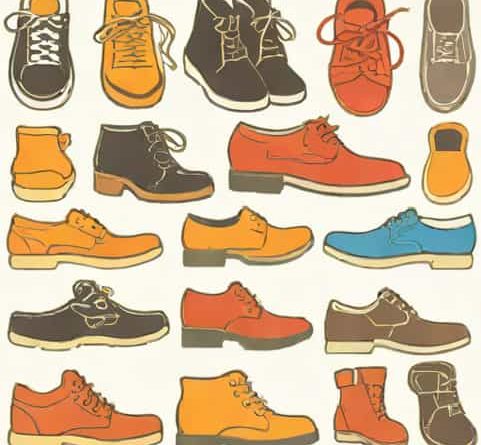
Shoes For Flat Feet
Finding the right shoes for flat feet is essential for maintaining comfort, preventing pain, and supporting proper foot alignment. Flat feet, also known as fallen arches, occur when the arches of the feet are lower than normal or absent, which can lead to overpronation, discomfort, and even joint issues. Choosing appropriate footwear is crucial for daily activities, sports, and long hours of standing or walking. Shoes designed for flat feet provide extra arch support, cushioning, and stability, helping to alleviate strain on the feet and improve overall posture. This topic explores the best options, features to look for, and tips for selecting shoes that accommodate flat feet while keeping comfort and style in mind.
Understanding Flat Feet
Flat feet can be either congenital, meaning present from birth, or acquired over time due to factors such as aging, injury, or excessive stress on the arches. People with flat feet often experience overpronation, where the foot rolls inward excessively while walking or running. This can lead to discomfort in the feet, ankles, knees, hips, and lower back. Recognizing the signs of flat feet and understanding the mechanics of your feet is the first step toward choosing shoes that offer the right support.
Common Symptoms
- Pain or fatigue in the feet after standing or walking for long periods.
- Swelling along the inside of the ankle.
- Overpronation, causing the foot to roll inward.
- Discomfort in knees, hips, or lower back due to improper alignment.
- Difficulty finding comfortable shoes that fit properly.
Key Features to Look for in Shoes for Flat Feet
When shopping for shoes suitable for flat feet, certain features are essential to provide support, comfort, and durability. The right combination of cushioning, arch support, stability, and motion control can reduce pain and prevent further complications. Paying attention to these features ensures that the shoes you choose not only feel comfortable but also support your long-term foot health.
Arch Support
Shoes for flat feet should provide strong arch support to compensate for the lack of natural arch in the foot. Insoles with built-in arch support or custom orthotics can help distribute weight evenly, reduce overpronation, and relieve pressure on the feet. High-quality arch support is particularly important for running shoes or shoes worn during long periods of standing.
Cushioning
Cushioned shoes absorb shock and reduce stress on the feet, which is especially important for flat-footed individuals. Look for shoes with soft midsoles, responsive cushioning, and padded insoles that provide comfort during walking, running, or other physical activities. Adequate cushioning also helps protect the joints and reduces the risk of injury over time.
Stability and Motion Control
Flat feet often lead to overpronation, which can cause instability while walking or running. Shoes with stability features or motion control help correct excessive inward rolling of the foot. Features such as firm heel counters, supportive midsoles, and structured outsoles provide balance and prevent the foot from collapsing inward. Stability shoes are highly recommended for athletes or anyone engaging in high-impact activities.
Types of Shoes for Flat Feet
There are various types of shoes available that cater specifically to flat feet. Choosing the right type depends on the activity and level of support required. Understanding the differences between casual shoes, athletic shoes, and dress shoes can help you select the best option for comfort and functionality.
Running Shoes
Running shoes for flat feet should offer enhanced arch support, cushioning, and stability. Many brands design motion control running shoes that limit overpronation while providing a comfortable running experience. These shoes typically have reinforced midsoles, firm heel counters, and supportive insoles to protect the feet during high-impact activities.
Walking Shoes
Walking shoes should prioritize comfort and support for extended periods of walking or standing. Look for shoes with thick cushioning, contoured footbeds, and durable outsoles. Walking shoes for flat feet often have additional arch support and stability features to reduce fatigue and prevent discomfort during long walks.
Casual and Dress Shoes
Finding stylish shoes that also accommodate flat feet can be challenging, but many brands now offer casual and dress shoes with supportive insoles and ergonomic designs. Shoes with a slight heel, structured arch support, and cushioned soles are ideal for maintaining comfort without sacrificing style. Removable insoles allow the use of custom orthotics for additional support if needed.
Tips for Choosing the Right Size and Fit
Proper fit is crucial when selecting shoes for flat feet. Shoes that are too tight can cause discomfort, while loose shoes may fail to provide necessary support. Paying attention to width, length, and overall comfort helps ensure that the shoes protect the feet and enhance mobility.
Important Considerations
- Measure your feet regularly, as size may change over time.
- Choose shoes with adequate width to prevent pinching or pressure points.
- Test shoes by walking in them to ensure comfort and proper arch support.
- Consider shoes with removable insoles to allow for custom orthotics.
- Pay attention to heel support to maintain stability and reduce overpronation.
Caring for Shoes for Flat Feet
Maintaining your shoes properly extends their life and preserves their supportive features. Flat feet require consistent support, so replacing worn-out shoes or insoles is important. Rotating shoes, keeping them clean, and monitoring signs of wear help ensure that your footwear continues to provide comfort and protection.
Maintenance Tips
- Replace shoes every 300-500 miles if used for running or high-impact activities.
- Use orthotic inserts to maintain arch support if needed.
- Clean shoes regularly and allow them to dry properly to prevent damage.
- Store shoes in a dry, ventilated area to maintain structure and cushioning.
Choosing the right shoes for flat feet is essential for comfort, pain prevention, and long-term foot health. Shoes with proper arch support, cushioning, and stability can alleviate common problems such as overpronation and fatigue while enhancing overall mobility. By understanding the types of shoes available, focusing on key features, and ensuring a proper fit, individuals with flat feet can enjoy both functional and stylish footwear. Maintaining shoes and replacing them when necessary further supports healthy foot mechanics. With careful selection and proper care, shoes for flat feet allow for a more comfortable and active lifestyle, reducing discomfort and preventing potential long-term issues.