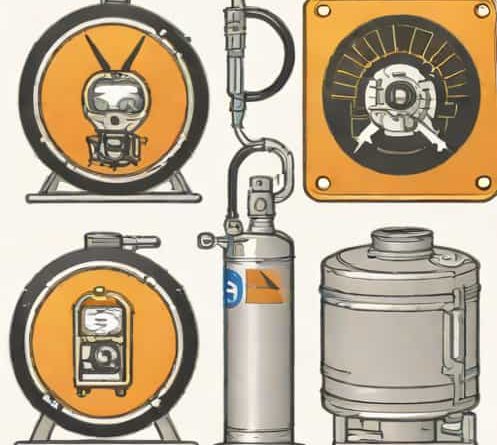
Gas For Mig Welding
Gas selection is a critical factor in MIG welding, influencing weld quality, penetration, and overall performance. Choosing the right gas for MIG welding can dramatically improve results, whether working with mild steel, stainless steel, or aluminum. The shielding gas protects the weld pool from atmospheric contamination, stabilizes the arc, and affects the weld bead’s appearance and strength. Understanding the different types of gases available, their mixtures, and applications is essential for both beginners and experienced welders who want consistent, professional-quality welds. Proper gas selection also impacts efficiency, spatter levels, and the longevity of welding equipment, making it a key component of any MIG welding setup.
Role of Gas in MIG Welding
In MIG (Metal Inert Gas) welding, also known as Gas Metal Arc Welding (GMAW), the welding wire is continuously fed through a gun while an electric arc melts the metal, creating a weld. The shielding gas flows around the wire and arc, forming a protective barrier against oxygen, nitrogen, and other contaminants in the air. Without shielding gas, welds can suffer from porosity, weak joints, and excessive spatter. Additionally, the gas type affects the arc characteristics, weld penetration, and bead appearance, making gas choice an important factor in achieving high-quality welds.
Common Types of MIG Shielding Gas
MIG welding utilizes several types of gases, including inert and active gases. Each has specific properties that make it suitable for particular materials and applications. The most commonly used gases are
- Argon (Ar)A pure inert gas that produces a smooth, stable arc with minimal spatter. Argon is commonly used for welding non-ferrous metals like aluminum and copper alloys.
- Carbon Dioxide (CO2)A reactive gas that offers deeper penetration and is more cost-effective than pure argon. CO2 is often used for welding mild steel and is favored in industrial settings due to its availability and performance.
- Argon-CO2 MixturesCombining argon and carbon dioxide balances the benefits of both gases. Typical mixtures, such as 75% Argon / 25% CO2 or 90% Argon / 10% CO2, provide stable arcs, good penetration, and minimal spatter for welding carbon steel.
- Argon-Oxygen MixturesSmall amounts of oxygen (usually 2-5%) can improve arc stability and wetting of the weld bead on mild steel. These mixtures are not recommended for aluminum or stainless steel.
- Helium (He)Sometimes blended with argon for welding aluminum and copper, helium increases heat input and penetration, making it ideal for thicker materials.
Choosing the Right Gas for Mild Steel
Mild steel is the most commonly welded metal using MIG, and gas selection plays a significant role in weld quality. Pure CO2 provides deeper penetration but can produce more spatter. For cleaner welds with a smoother appearance, argon-CO2 mixtures are preferred. A typical choice is 75% argon and 25% CO2, which offers a stable arc, controlled spatter, and moderate penetration suitable for most welding projects. Lower CO2 percentages reduce spatter further, while higher CO2 improves penetration for thicker steel sheets.
Shielding Gas for Stainless Steel
Stainless steel requires a more carefully controlled gas environment to prevent oxidation and preserve corrosion resistance. Argon-based mixtures with small amounts of CO2 or oxygen are commonly used. For example, 98% argon with 2% CO2 creates a stable arc and minimal discoloration. Higher CO2 levels can lead to excessive heat and weld contamination, while pure argon may reduce penetration. Stainless steel welding also benefits from consistent gas flow to prevent porosity and maintain the integrity of the weld.
Gas Selection for Aluminum
Aluminum is highly reactive and sensitive to contamination, making argon the preferred choice for MIG welding. Pure argon provides excellent shielding, smooth arc performance, and minimal spatter. For thicker aluminum sections, argon-helium mixtures can increase heat input and penetration, helping weld through larger joints without causing burn-through. Maintaining consistent gas coverage and using proper gas flow rates are critical to prevent oxidation and ensure high-quality aluminum welds.
Factors Affecting Gas Performance
Several factors influence how shielding gas performs during MIG welding. These include gas flow rate, welding position, and environmental conditions. Correct gas flow ensures adequate protection for the weld pool while avoiding turbulence that can introduce air and cause porosity. Wind or drafts can reduce gas coverage, requiring adjustments in flow rate or the use of wind shields in outdoor welding. Additionally, the type of welding equipment, nozzle size, and joint configuration can affect the effectiveness of the chosen gas.
Gas Flow Rate Recommendations
Proper flow rates vary depending on the material, welding process, and environmental conditions. For most MIG welding applications
- Argon or argon mixtures 15-25 cubic feet per hour (CFH) is typical for indoor welding.
- CO2 20-30 CFH is recommended for mild steel.
- Helium-argon blends 20-30 CFH for increased penetration and heat input on thicker metals.
Flow rate adjustments may be necessary based on draft conditions, joint type, and torch distance from the workpiece. Maintaining consistent gas coverage is essential for avoiding weld defects and achieving professional results.
Gas selection for MIG welding is a critical aspect that affects weld quality, arc stability, and overall efficiency. Understanding the properties and applications of argon, CO2, and their mixtures allows welders to choose the right gas for mild steel, stainless steel, or aluminum. Correct flow rates, proper shielding, and attention to environmental conditions ensure optimal results, reducing spatter and preventing defects such as porosity or oxidation. Whether welding thin sheets or thick sections, selecting the appropriate gas contributes to stronger, cleaner, and more aesthetically pleasing welds. For beginners and professionals alike, mastering the use of shielding gas is essential to achieving consistent and high-quality MIG welding performance.