What Is Moss Agate
Moss agate is a unique and visually captivating gemstone that has fascinated humans for centuries due to its intricate, plant-like inclusions and rich cultural significance. Unlike other types of agate, moss agate is valued not for vibrant color but for its distinctive patterns that resemble moss, ferns, or tree branches, embedded within a translucent chalcedony base. This natural stone has been used historically in jewelry, talismans, and decorative objects, and it continues to hold spiritual and metaphysical appeal in modern times. Understanding what moss agate is, its formation, properties, uses, and symbolic meanings can help collectors, enthusiasts, and gemstone lovers appreciate this remarkable mineral both aesthetically and culturally.
Definition and Composition of Moss Agate
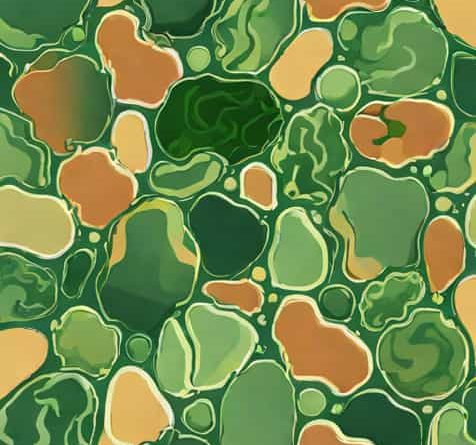
Moss agate is a form of chalcedony, which itself is a microcrystalline variety of quartz. The stone is characterized by its inclusions of green-colored minerals, often manganese or iron oxides, that create intricate, moss-like patterns. These inclusions are not living plant matter but rather mineral deposits that formed over time, giving the stone its signature appearance. Moss agate is generally translucent to semi-transparent, allowing light to interact with the internal patterns and enhance its natural beauty.
Key Characteristics
- Color Typically features shades of green, with occasional brown, black, or red inclusions.
- Transparency Ranges from translucent to semi-opaque, allowing internal patterns to be visible.
- Texture Smooth when polished, often used in cabochons or beads for jewelry.
- Durability Hardness of 6.5-7 on the Mohs scale, making it suitable for various ornamental uses.
Formation and Geological Background
Moss agate forms over millions of years through a combination of volcanic activity and mineral deposition. Silica-rich solutions seep into rock cavities or fissures, gradually crystallizing to form chalcedony. During this process, mineral impurities like iron or manganese are trapped inside, creating the distinctive moss-like patterns. Unlike other gemstones, moss agate is not formed under high-pressure conditions, which contributes to its unique, irregular inclusions and organic appearance.
Geological Occurrence
Moss agate is found in several regions around the world, with notable deposits in India, Brazil, Uruguay, the United States, and Australia. Each location produces slightly different variations of the stone, with color intensity, pattern density, and clarity influenced by local geological conditions. For example, Montana moss agate from the United States is highly prized for its well-defined inclusions and clear chalcedony base.
Uses of Moss Agate
Moss agate has been valued for both practical and aesthetic purposes. Its unique appearance and relative hardness make it ideal for use in jewelry, ornamentation, and even functional decorative items.
Jewelry
- Cabochons Moss agate is often cut and polished into smooth cabochons for rings, pendants, and earrings.
- Beads Small beads are commonly used in bracelets and necklaces.
- Decorative Jewelry The stone’s intricate patterns are showcased in brooches, pins, and custom jewelry pieces.
Decorative Items
Moss agate is sometimes carved into small figurines, paperweights, or ornamental stones. Its natural beauty and distinctive patterns make it a popular choice for collectors and interior decorators who seek organic, nature-inspired aesthetics.
Metaphysical and Healing Uses
Moss agate is widely regarded in metaphysical and holistic circles as a stone of growth, balance, and emotional healing. It is believed to enhance self-esteem, reduce stress, promote physical health, and encourage creativity. Many practitioners use moss agate in meditation, energy work, or as a talisman for stability and prosperity.
Symbolism and Cultural Significance
Moss agate has been associated with numerous symbolic meanings and cultural traditions throughout history. Ancient civilizations often used the stone as a talisman for protection, fertility, and connection to nature. Its patterns, reminiscent of plants and foliage, have made it a symbol of growth, renewal, and the interconnectedness of life.
Historical Use
In ancient India and Europe, moss agate was believed to attract abundance and ensure a bountiful harvest. Warriors sometimes carried it into battle for protection and strength, while farmers used it as a charm to enhance soil fertility and crop yield. These traditions have influenced the stone’s modern metaphysical interpretations.
Modern Symbolism
- Growth and Renewal The moss-like inclusions symbolize natural growth and new beginnings.
- Balance and Healing Moss agate is associated with emotional stability and physical health.
- Prosperity and Abundance Many consider it a stone that attracts wealth, success, and opportunities.
- Connection to Nature Its natural patterns remind people of the beauty and harmony of the natural world.
Caring for Moss Agate
Proper care is essential to maintain the beauty and longevity of moss agate. While it is relatively hard and durable, it can still be damaged by harsh chemicals, prolonged sunlight exposure, or physical impact. Gentle cleaning, proper storage, and careful handling will ensure that the stone retains its luster and pattern clarity.
Cleaning Tips
- Use mild soap and lukewarm water with a soft brush to clean the surface.
- Avoid harsh chemicals or ultrasonic cleaners that may damage the stone.
- Dry thoroughly with a soft cloth to prevent moisture from dulling the stone.
Storage Recommendations
Store moss agate separately from harder gemstones to avoid scratches. Wrapping it in a soft cloth or keeping it in a padded jewelry box is ideal for preserving its polish and intricate patterns.
Buying and Identifying Moss Agate
When purchasing moss agate, it is important to consider authenticity, pattern quality, and clarity. Genuine moss agate exhibits natural, organic patterns, whereas imitation stones may have uniform or artificial inclusions. The stone’s translucency, color variation, and mineral composition can help buyers identify authentic specimens.
Tips for Buyers
- Look for irregular, nature-inspired inclusions rather than repetitive or uniform patterns.
- Check for a translucent base; high-quality moss agate allows light to penetrate slightly.
- Purchase from reputable jewelers or mineral dealers to ensure authenticity.
- Consider origin and source, as certain locations produce highly prized varieties.
Moss agate is a fascinating gemstone that combines natural beauty, cultural significance, and metaphysical appeal. Its intricate moss-like inclusions, translucent chalcedony base, and historical associations with growth, protection, and abundance make it a highly valued stone in jewelry, decoration, and spiritual practices. By understanding its composition, formation, uses, and symbolism, collectors, enthusiasts, and practitioners can fully appreciate moss agate not only as a beautiful mineral but also as a meaningful and versatile element in both personal and cultural contexts. With proper care and mindful use, moss agate continues to captivate and inspire people worldwide, bridging the natural world with human creativity and spirituality.