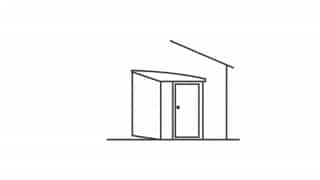
Narrow Shed For Side Of House
In many homes, the side yard is often overlooked or underutilized, even though it can provide valuable space for storage and organization. A narrow shed for the side of the house is an excellent solution for homeowners looking to maximize functionality in tight areas. Whether you need a place to store garden tools, outdoor equipment, or seasonal items, a slim shed can offer practical benefits without taking up too much real estate. With the right design and planning, you can transform a narrow strip of land into a useful and attractive storage area that complements your home.
Why Choose a Narrow Shed for the Side of the House?
The main advantage of a narrow shed is its ability to fit into limited spaces while still offering valuable storage. Most homes have a narrow side yard that serves little purpose beyond acting as a passageway. Installing a narrow shed in this space helps turn it into a functional extension of your living area.
Space-Saving Design
Narrow sheds are specifically designed to fit tight spaces, typically ranging between 2 to 4 feet in depth and extending up to 10 feet or more in length. This makes them ideal for running alongside fences, walls, or the side of a house where traditional sheds would not fit. Their compact footprint still allows for efficient storage of items like:
- Gardening tools and supplies
- Outdoor cushions or furniture covers
- Sporting equipment
- Recycling bins or trash cans
- Small power tools
Improved Organization
Rather than leaving items exposed or cluttering your backyard, a narrow shed helps keep everything organized and protected from the elements. Some designs include built-in shelves, hooks, or compartments to further enhance storage efficiency.
Choosing the Right Location
Before purchasing or building a narrow shed, it’s important to evaluate the area where it will be installed. The side of the house presents specific opportunities and challenges that should be considered carefully.
Measure Available Space
Take precise measurements of the available width and length along the side of your house. Remember to account for clearance space, access paths, and existing structures like downspouts, gas meters, or air conditioning units. You’ll want to ensure the shed doesn’t block vents or utility access points.
Check Local Regulations
Some municipalities have regulations regarding how close structures can be placed to property lines or homes. Check with your local zoning or building authority before beginning construction or purchasing a pre-made shed. Permits may be required depending on the shed’s size or placement.
Consider Drainage and Sunlight
Water drainage is an important factor in determining shed placement. If water tends to collect along the side of your house during rainstorms, the ground may need to be leveled or sloped for proper runoff. It’s also helpful to consider sunlight exposure, which can impact shed durability and the condition of stored items.
Types of Narrow Sheds
There are many types of narrow sheds available, ranging in materials, style, and functionality. Choosing the best type depends on your specific needs and aesthetic preferences.
Plastic or Resin Sheds
These sheds are lightweight, easy to assemble, and low maintenance. Resin sheds are resistant to moisture, rot, and insects, making them a durable choice for outdoor storage. Their smooth surfaces are easy to clean, and many models include UV protection to prevent fading.
Metal Sheds
Made from galvanized steel or aluminum, metal sheds offer a strong and secure option. They’re often more affordable than wood and resistant to fire and pests. However, they may be prone to rust if not properly coated and can get hot in direct sunlight.
Wooden Sheds
Wood sheds offer a classic, natural appearance that blends well with landscaping and home exteriors. They’re easy to customize in terms of size, color, and features, but require more maintenance to protect against rot, termites, and weathering.
Design Features to Consider
A narrow shed for the side of the house should not only be functional but also well-designed to suit your needs. Here are some important features to consider when selecting or building a side yard shed:
Doors and Accessibility
Sliding or double doors work well in narrow spaces where swinging doors may be impractical. Some designs include lockable doors for added security, especially if storing expensive tools or equipment.
Ventilation
Proper ventilation prevents moisture buildup, which can lead to mold and mildew. Look for sheds with built-in vents or windows to promote airflow, particularly if you’re storing items that are sensitive to humidity.
Shelving and Storage Options
Maximize vertical space with wall-mounted shelves, pegboards, or tool hooks. This makes it easier to keep the floor area clear and maintain an organized space even in a narrow shed.
Roof Style
Sloped or single-pitch roofs are commonly used for narrow side sheds to ensure water runoff and fit beneath overhangs or eaves. Some shed roofs also include skylights or translucent panels to bring in natural light.
Installation Tips
Whether you’re assembling a prefabricated shed or building one from scratch, the following tips can help ensure a successful installation:
- Prepare a level base using concrete pavers, gravel, or a wooden platform
- Anchor the shed securely to prevent shifting in wind or storms
- Seal edges and corners with weatherproofing material to prevent leaks
- Apply a finish or paint coat if using wood to protect against the elements
Maintenance and Care
Once your narrow shed is in place, regular maintenance can help extend its life and keep it looking its best. Here are some basic maintenance tasks:
- Check for and repair any roof leaks or cracks
- Clean debris from around the base to discourage pests
- Repaint or seal wooden sheds every few years
- Lubricate hinges and locks to prevent rusting
Creative Uses for a Narrow Shed
Beyond basic storage, a narrow shed can serve other purposes depending on your lifestyle. With a bit of creativity, you can transform a simple shed into a highly functional space. Consider these alternative uses:
- Tool workstation or potting bench
- Bike or scooter storage
- Trash and recycling bin organizer
- Outdoor cleaning supply closet
- Pool equipment storage
Anarrow shed for the side of the houseoffers a smart way to make use of underutilized outdoor space. Whether you’re dealing with a narrow alley between houses or a slim backyard strip, the right shed can provide secure, weather-resistant storage and improved organization. With careful planning and attention to detail, you can install a shed that enhances both the practicality and aesthetics of your property, adding long-term value and convenience to your home.