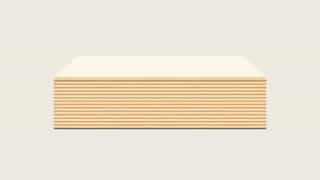
Is Fiberboard The Same As Mdf
When choosing engineered wood for your home improvement or furniture project, it’s easy to get confused between similar-sounding materials. Two of the most commonly compared products are fiberboard and MDF. While both are manufactured wood products made by breaking down wood fibers and combining them with resins, they are not always identical. Understanding the distinctions between fiberboard and MDF can help you make the right decision for your specific needs, whether you’re building cabinetry, designing shelving, or installing wall paneling.
Understanding Fiberboard
Fiberboard is a broad category of engineered wood made from wood fibers that are bonded together under heat and pressure. It comes in different grades and densities depending on how it’s manufactured. The three primary types of fiberboard include:
- Low-Density Fiberboard (LDF)
- Medium-Density Fiberboard (MDF)
- High-Density Fiberboard (HDF)
Each of these has distinct uses in construction and furniture making. LDF is the lightest and least durable, while HDF is more compact and dense, often used for flooring and hard-wearing applications. MDF, as the name suggests, falls in the middle in terms of density and is arguably the most popular of the three.
Composition and Manufacturing Process
All types of fiberboard are made from wood chips, plant fibers, or sawdust that are mixed with resin and wax. The mixture is then pressed into sheets at high temperature and pressure. The result is a smooth, uniform surface that’s free from knots and grain patterns, which makes it easier to paint or veneer.
What Is MDF?
MDF, or Medium-Density Fiberboard, is a specific type of fiberboard that has become a favorite among woodworkers and contractors. Its consistent composition and smooth surface make it ideal for precise cutting, routing, and painting. Unlike plywood, which has layers of wood veneer, MDF is made entirely of wood fibers, resulting in a homogeneous material that doesn’t splinter or warp easily.
Common Applications of MDF
- Cabinet doors and drawer fronts
- Furniture and shelving
- Wall paneling and wainscoting
- Speaker boxes and enclosures
MDF is widely appreciated for its affordability and smooth surface, but it also has some downsides. For example, it absorbs water easily if not sealed properly, and it can produce fine dust when cut, requiring the use of protective gear and proper ventilation during installation.
So, Is Fiberboard the Same as MDF?
Technically speaking, MDF is a type of fiberboard, but not all fiberboard is MDF. This is a key distinction that causes a lot of confusion. While the two share similar ingredients and manufacturing processes, the difference lies in the density, strength, and intended use of the material.
Key Differences
- Density: MDF is denser than low-density fiberboard but less dense than HDF.
- Strength: MDF offers good strength for most furniture applications, but HDF is stronger and more water-resistant.
- Surface Finish: MDF typically has a smoother finish than general-purpose fiberboard.
- Cost: LDF is usually cheaper, while MDF is moderately priced, and HDF tends to be more expensive due to its durability.
For many projects, the choice between MDF and other types of fiberboard depends on budget, strength requirements, and whether the material will be exposed to moisture or not. MDF is a great all-around choice for indoor use, while HDF may be better for areas prone to wear and tear or occasional moisture.
Choosing the Right Material for Your Project
When working on cabinetry, furniture design, or interior decoration, MDF is often the preferred choice due to its versatility. Its uniform structure makes it easy to mill, drill, and shape without worrying about splintering. However, if you’re planning to install baseboards or build furniture for high-traffic areas, HDF might offer the strength you need.
Considerations When Using MDF
- Seal edges properly to prevent moisture damage
- Always use a mask when cutting, due to fine dust
- Use screws designed for MDF to prevent splitting
- Pre-drill holes when necessary
It’s also important to store MDF panels in a dry, indoor environment to prevent warping. Always paint or laminate exposed surfaces to enhance durability and appearance.
Environmental and Health Concerns
One concern associated with fiberboard, including MDF, is the use of formaldehyde-based resins. These can emit volatile organic compounds (VOCs) that may be harmful in poorly ventilated spaces. To address this, manufacturers now produce low-VOC or formaldehyde-free boards that are safer for indoor air quality.
When shopping for fiberboard or MDF, look for certifications such as CARB Phase 2 compliance, which indicates low formaldehyde emissions. This is especially important if you’re using the material in homes, schools, or offices.
Summary: Is MDF the Same as Fiberboard?
MDF is a form of fiberboard, but not all fiberboard is MDF. The term ‘fiberboard’ includes a range of materials of varying densities and strengths. While they may look similar, each type has unique properties that make it better suited to specific applications. MDF’s smooth surface and workability make it ideal for many interior woodworking projects, but understanding the difference between MDF and other types of fiberboard ensures you select the right material for your needs.
Whether you’re remodeling a kitchen, building a bookshelf, or crafting custom furniture, knowing the distinctions between fiberboard and MDF can save you time, money, and frustration. Always consider density, strength, finish, and moisture resistance when selecting your material to achieve a durable and professional result.