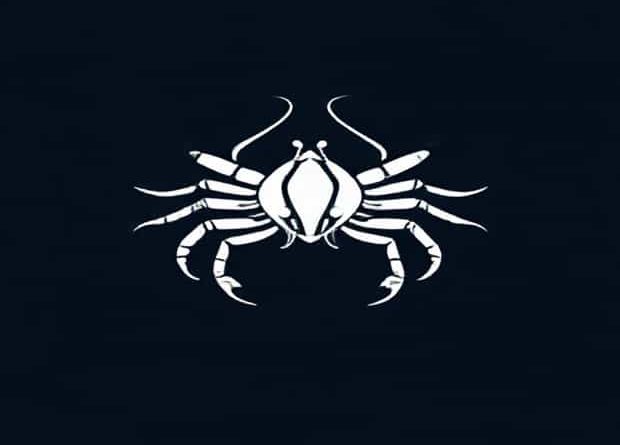
A 10 Legged Marine Crustacean
Marine ecosystems are home to a vast array of fascinating creatures, and among them, crustaceans stand out due to their unique anatomy and ecological roles. One of the most recognizable groups of crustaceans are those with ten legs, commonly referred to as decapods. These ten-legged marine crustaceans are not only diverse in form and habitat but also play crucial roles in maintaining the balance of marine environments. Understanding their anatomy, behavior, and ecological importance helps us appreciate the complexity and beauty of ocean life.
Overview of Ten-Legged Marine Crustaceans
Ten-legged marine crustaceans, or decapods, include crabs, lobsters, shrimp, and prawns. The term decapod” literally means “ten-footed,” referring to the five pairs of walking legs that these animals possess. This distinctive feature differentiates them from other crustaceans such as barnacles or copepods. Decapods have evolved over millions of years, developing specialized appendages for locomotion, feeding, defense, and sensory perception.
Common Types of Decapods
- CrabsCrabs are characterized by a broad, flattened body and a reduced abdomen tucked under the thorax. They are highly adaptable and can be found in rocky shores, sandy beaches, and deep-sea environments.
- LobstersLobsters have elongated bodies with strong claws for capturing prey and defending against predators. They are primarily found in rocky ocean bottoms and are known for their burrowing behavior.
- ShrimpShrimp are smaller decapods with slender bodies, long antennae, and fast swimming abilities. They often form large swarms and are a crucial part of the marine food chain.
- PrawnsSimilar to shrimp, prawns have elongated bodies and swim in open water. They are commercially important in aquaculture and wild fisheries.
Anatomy of Ten-Legged Crustaceans
The anatomy of decapods is highly specialized for survival in marine environments. Their bodies are divided into three main regions the cephalothorax, the abdomen, and the appendages. The cephalothorax is a fusion of the head and thorax, providing protection to vital organs. The abdomen is flexible and aids in swimming, while the appendages serve multiple functions.
Walking Legs and Claws
The ten legs of decapods include five pairs, with the first pair often modified into pincers or chelae. These claws are used for capturing food, defense, and interacting with other members of their species. The remaining four pairs function primarily as walking legs, enabling mobility on the seafloor and across various substrates.
Other Specialized Appendages
- SwimmeretsLocated on the abdomen, these small appendages help in swimming and, in some species, play a role in reproduction.
- MaxillipedsModified appendages near the mouth used for feeding and manipulating food.
- AntennaeLong sensory structures that help detect food, predators, and environmental changes.
Habitat and Distribution
Ten-legged marine crustaceans are found worldwide, from shallow coastal waters to the deep sea. Crabs, for example, inhabit intertidal zones, estuaries, and coral reefs, often hiding under rocks or burrowing into sand. Lobsters prefer rocky crevices and deeper waters, whereas shrimp and prawns can be found in both pelagic and benthic zones. Their adaptability allows them to thrive in diverse environmental conditions, from tropical reefs to cold oceanic depths.
Ecological Roles
Decapods are essential contributors to marine ecosystems. They act as both predators and prey, helping maintain population balance among smaller organisms and serving as a food source for larger predators such as fish, birds, and marine mammals. Crabs scavenge dead material, contributing to nutrient recycling, while shrimp and prawns often feed on plankton, algae, and detritus, aiding in energy transfer within food webs.
Behavior and Social Interaction
Ten-legged marine crustaceans exhibit fascinating behaviors, including complex mating rituals, territoriality, and communication. Many species are known to molt their exoskeletons periodically, allowing for growth. During this time, they are vulnerable to predation, prompting behaviors such as hiding in crevices or burrowing in the substrate. Some decapods, such as certain crab species, display social hierarchies and cooperative behaviors, particularly in feeding or defense.
Reproduction and Life Cycle
Reproduction varies among decapods but typically involves external fertilization. Females carry fertilized eggs on their swimmerets until they hatch into larvae. These larvae go through multiple planktonic stages before settling to the seafloor and developing into adult forms. This life cycle ensures dispersal across habitats and contributes to the resilience of populations.
Economic and Human Importance
Ten-legged marine crustaceans are highly significant to humans, particularly in the context of fisheries and aquaculture. Lobsters, crabs, shrimp, and prawns are commercially valuable, supporting livelihoods and global seafood markets. Sustainable harvesting and management of these species are crucial to prevent overfishing and ensure long-term ecological balance. Additionally, decapods are studied in research on animal behavior, physiology, and marine ecology.
Conservation Considerations
- OverfishingIntensive harvesting can lead to population decline and disrupt marine ecosystems.
- Habitat LossCoastal development and pollution threaten essential habitats such as estuaries, reefs, and mangroves.
- Climate ChangeRising ocean temperatures and acidification affect decapod growth, reproduction, and survival rates.
Interesting Facts About Ten-Legged Crustaceans
Decapods are not only ecologically and economically important but also exhibit remarkable adaptations and behaviors
- Some crab species can regenerate lost limbs, providing a survival advantage in predator encounters.
- Lobsters have long lifespans, with some individuals living over 50 years in the wild.
- Shrimp are capable of rapid swimming bursts, known as the “caridoid escape reaction,” to evade predators.
- Certain decapods display camouflage, changing color or pattern to blend into their environment.
Ten-legged marine crustaceans are a diverse and essential component of ocean ecosystems. From crabs to lobsters to shrimp, these decapods exhibit incredible adaptations in anatomy, behavior, and habitat preferences. Their ten legs, specialized appendages, and complex life cycles allow them to thrive in various marine environments while contributing significantly to ecological balance and human economies. Understanding these fascinating creatures deepens our appreciation for the complexity of marine life and highlights the importance of conserving their habitats and populations for future generations.