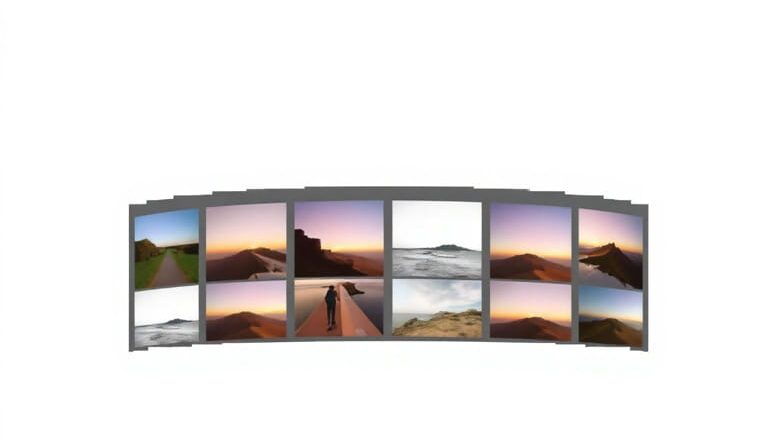
A Carousel Of Photos
In the age of digital storytelling, photographs have become more than simple snapshots they are vessels of memory, emotion, and creativity. A carousel of photos offers a dynamic way to present images, allowing viewers to engage with a sequence of moments that flow seamlessly together. Whether capturing the essence of travel, family gatherings, or artistic expressions, photo carousels create an immersive visual experience. Each image tells a story, yet the sequence itself amplifies the narrative, guiding viewers through a journey that static images alone cannot convey.
The Concept of a Photo Carousel
A photo carousel, sometimes referred to as an image slider, is a rotating set of images displayed in a single frame. Unlike a standard gallery where images are presented individually, carousels allow multiple pictures to occupy the same space while giving the user control to navigate through them. This technique is widely used in websites, online portfolios, and social media platforms to engage audiences and encourage interaction.
Benefits of Using a Photo Carousel
- Visual EngagementCarousels immediately capture attention by offering movement and variety, making them more attractive than static images.
- StorytellingThey allow creators to present a sequence of related photos, enhancing the narrative and emotional impact.
- Space EfficiencyMultiple images can be displayed in a compact area, reducing the need for long scrolling pages.
- User InteractionNavigation arrows or automatic sliding features invite users to explore, creating a sense of participation.
Design Considerations for a Carousel
While carousels can enhance a website or presentation, their design requires careful attention. Choosing the right images, timing transitions, and ensuring mobile responsiveness are critical to maintaining user interest. High-resolution photos with consistent color tones and themes make the carousel visually appealing. Additionally, captions can be included to provide context or highlight key details, making each image more informative and meaningful.
Technical Aspects
From a technical standpoint, implementing a photo carousel involves both HTML structure and often some JavaScript or CSS to manage transitions. Many platforms provide pre-built carousel plugins, but customization allows for a more unique presentation. Important technical considerations include
- Load TimeOptimizing image sizes ensures the carousel loads quickly without compromising quality.
- AccessibilityProviding alt text and keyboard navigation ensures the carousel is usable by everyone.
- ResponsivenessThe carousel should adapt to different screen sizes, maintaining readability and aesthetics on mobile devices.
Creative Uses of a Photo Carousel
Photo carousels are not limited to professional photography; they can be used in various creative contexts. For example, travel bloggers can create carousels to showcase different destinations, highlighting landscapes, local culture, and culinary experiences. Similarly, e-commerce websites can use carousels to display product images from multiple angles, giving potential buyers a more comprehensive view. Artists and designers can also use carousels to present their portfolios in a fluid, visually engaging manner.
Enhancing User Experience
The success of a carousel depends not only on the quality of images but also on the experience it provides. Smooth transitions, intuitive controls, and clear navigation improve usability. Some carousels use autoplay features to guide the viewer through a sequence automatically, while others allow manual navigation for greater control. Combining both methods can cater to different audience preferences, creating a more inclusive and interactive experience.
SEO Benefits of a Photo Carousel
Using a photo carousel can also enhance search engine optimization (SEO) if implemented thoughtfully. Properly labeled images with descriptive alt text help search engines understand the content, increasing the likelihood of appearing in image search results. Furthermore, engaging and visually appealing content can increase time spent on a page, reducing bounce rates and signaling value to search engines. When paired with relevant keywords in captions and surrounding text, carousels become a powerful tool for both engagement and discoverability.
Optimizing Captions and Descriptions
Captions and descriptions play a vital role in making a carousel informative and SEO-friendly. A well-crafted caption explains the context, enhances storytelling, and integrates keywords naturally. For example, a carousel featuring street photography could include captions with location names, themes, and techniques, making the content both engaging for viewers and discoverable online.
A carousel of photos is more than a simple presentation tool it is a versatile medium that combines creativity, storytelling, and technical design. By carefully selecting images, designing smooth transitions, and adding informative captions, creators can produce an engaging visual journey that resonates with audiences. From enhancing websites to showcasing portfolios or personal memories, photo carousels offer a unique blend of interaction, aesthetics, and functionality. They transform ordinary photographs into a cohesive, flowing experience, turning static images into a narrative that captures attention, evokes emotion, and leaves a lasting impression.