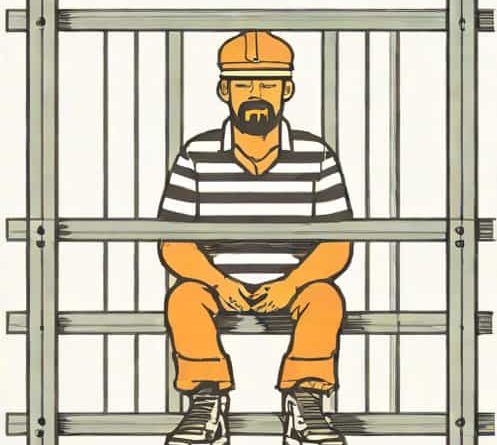
A Convict When Undergoing Imprisonment
When a convict undergoes imprisonment, their life undergoes a profound transformation, both physically and mentally. Imprisonment is not merely a restriction of freedom but a complex process that affects a person’s behavior, relationships, and psychological well-being. Understanding what a convict experiences during incarceration sheds light on the challenges of prison life, the purpose of rehabilitation, and the social implications of confinement. This examination highlights the multidimensional impact of imprisonment on individuals, society, and the justice system.
The Initial Phase of Imprisonment
Upon entering prison, a convict experiences a period of adjustment that can be highly stressful. The initial phase involves processing through security, orientation, and acclimatization to the prison environment. The convict may face anxiety, fear, and uncertainty as they encounter strict routines, institutional rules, and unfamiliar surroundings. This initial adaptation period is crucial for survival, as convicts learn how to navigate the social hierarchy and maintain personal safety.
Psychological Reactions
Psychologically, a convict may experience shock, stress, and disorientation. Separation from family, friends, and community can lead to feelings of loneliness and depression. Some convicts develop anxiety disorders or heightened irritability as they adjust to confinement. The abrupt change in lifestyle, lack of personal freedom, and exposure to potentially violent or aggressive peers can amplify emotional stress. Understanding these reactions is essential for prison staff and counselors to provide adequate mental health support.
Daily Life and Routine in Prison
The daily life of a convict in prison is highly structured. Prisons operate on strict schedules that include meals, work assignments, educational programs, exercise, and restricted recreation time. This structured environment aims to instill discipline, reduce idleness, and provide opportunities for skill development. Convicts must adhere to the routines, rules, and regulations enforced by correctional officers, which often dictate every aspect of daily life.
Work and Rehabilitation Programs
Many prisons offer work and rehabilitation programs to encourage personal development and prepare convicts for reintegration into society. Work assignments may include kitchen duties, laundry services, maintenance, or vocational training. Rehabilitation programs often involve education, counseling, substance abuse treatment, and life skills training. Participation in these programs can positively influence a convict’s behavior, reduce recidivism, and foster a sense of purpose during imprisonment.
Social Dynamics and Interpersonal Relationships
Social interaction plays a significant role in the life of a convict. Incarceration forces individuals into close contact with other prisoners, creating a complex social environment. Convicts may form friendships, alliances, or rivalries depending on personality, experience, and the prison culture. Navigating these relationships is often critical for safety and survival. Mentorship from experienced inmates, adherence to informal rules, and respect for social norms within the prison community can help convicts adapt.
Conflict and Aggression
Unfortunately, conflict and aggression can arise within prison populations. Tensions over resources, personal space, or gang affiliations may lead to confrontations. Convicts must develop coping mechanisms to manage stress and avoid violence. Rehabilitation programs, conflict resolution training, and counseling can assist inmates in handling disputes constructively, reducing the likelihood of aggressive incidents.
Psychological and Emotional Impact of Imprisonment
The psychological and emotional impact of imprisonment can be profound. Long-term confinement may result in feelings of helplessness, low self-esteem, and social isolation. Convicts often experience challenges in maintaining personal identity and mental stability while adapting to institutional life. The stigma associated with imprisonment can also affect self-perception and future reintegration efforts.
Coping Mechanisms
To cope with the psychological strain, convicts may engage in various strategies. These include participating in educational or vocational programs, forming supportive relationships with fellow inmates, practicing religious or spiritual activities, or engaging in physical exercise. Effective coping mechanisms can promote resilience, reduce mental health issues, and foster a more positive outlook during imprisonment.
Preparation for Reintegration into Society
Imprisonment is not solely punitive; it also aims to rehabilitate and prepare convicts for successful reintegration into society. Effective rehabilitation addresses behavioral, educational, and social needs to reduce recidivism. Programs may include job training, anger management, substance abuse treatment, and counseling to equip convicts with the skills necessary for independent and lawful living after release.
Challenges of Reintegration
Despite rehabilitation efforts, convicts face numerous challenges upon release. These challenges include societal stigma, difficulty securing employment, re-establishing family relationships, and adjusting to the freedoms and responsibilities of everyday life. Support from social services, family, and community programs is essential to help former inmates reintegrate successfully and reduce the likelihood of re-offending.
The experience of a convict undergoing imprisonment is multifaceted, involving physical confinement, psychological adjustment, social interaction, and preparation for future reintegration. The journey through incarceration can be transformative, offering opportunities for personal growth, skill development, and rehabilitation, but it also presents significant challenges, including stress, social tension, and emotional strain. By understanding these experiences, society can better support convicts during imprisonment and after release, ensuring safer communities and more successful reintegration. Imprisonment, when managed effectively, can serve not only as a form of justice but also as a pathway toward reform, rehabilitation, and eventual reintegration into society.